Don’t forget the little guys: improving monitoring efforts for African small carnivores

Small carnivores are ecologically important species and key indicators of environmental change. However, for many of these species, we lack robust information on their conservation status, geographic distribution, and tolerance to anthropogenic threats. In this post, researchers from Nelson Mandela University share their experience with an emerging camera trapping method aimed at improving monitoring efforts for African small carnivores. For a wide array of species, … Continue reading Don’t forget the little guys: improving monitoring efforts for African small carnivores


Field Diaries: Mariana Silva Ferriera

In our ‘Field Diaries’ series, The Applied Ecologist is sharing stories from a range of different fieldwork experiences. Mariana Silva Ferreira shares being involved in the largest long-term monitoring study on small mammals based in Brazil. About the Author Mariana Silva Ferreira, she/her Affiliation: Ecology interests: Population ecology, life histories, mammals Overview of fieldwork For over 10 years, I was part of the team at the Vertebrate … Continue reading Field Diaries: Mariana Silva Ferriera

Fire is a globally important driver of ecosystem composition, structure and function

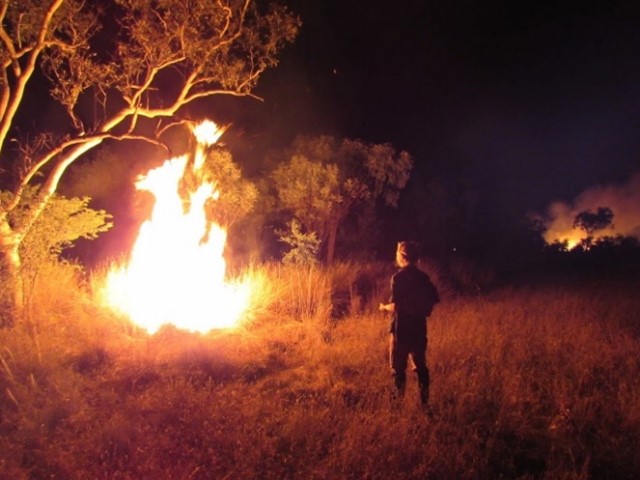
In fire-prone landscapes, appropriate fire management may help bring native mammals back from the brink of extinction. In a new paper, Shaw et al. use prescribed burning to understand how small mammal populations recover after fire, so that recovery mechanisms can be incorporated into management strategies. Fire plays a pivotal role in ecosystems around the world, influencing where species are found, their abundance in the … Continue reading Fire is a globally important driver of ecosystem composition, structure and function