Tree species richness suppresses red imported fire ant invasion in a subtropical plantation forest

Chengjin Chu and co-authors discuss their latest research which presents a cross-trophic interaction study between the red imported fire ant and plants. The red imported fire ant (RIFA) is one of the most invasive insects in the world. Many pest management methods have been used to control the spread and damage of RIFA, like quarantine measures and powerful pesticides. However, one may wonder: Do more … Continue reading Tree species richness suppresses red imported fire ant invasion in a subtropical plantation forest

Mixed forests and delicious seeds: How tree species change the relationship between rodents and seeds

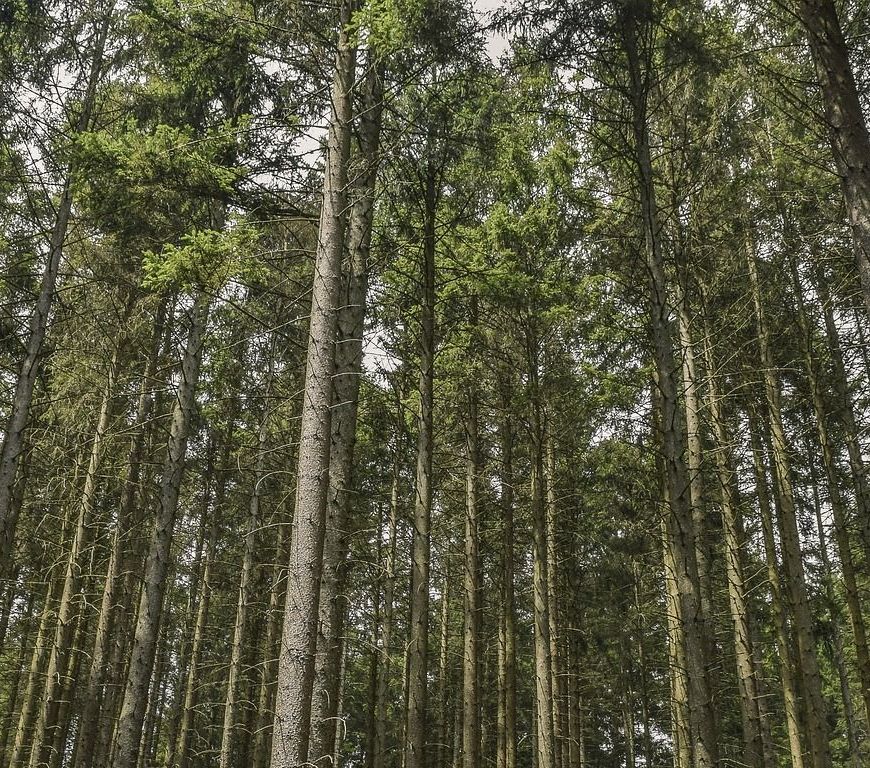
In this blog post, Pedro Mittelman and Bernado Araújo discuss how forest composition can affect plant–animal interactions without necessarily altering animal communities or population densities. Forest mortality We are walking through a dead forest. It is not yet winter, but as we move amid still standing Norway spruce (Picea abies) trunks along the Harz mountains, we find no leaves attached to them. Here, approximately 20,000 … Continue reading Mixed forests and delicious seeds: How tree species change the relationship between rodents and seeds

Passive tree diversity increase after intense forest exploitation? A matter of drought-tolerant and animal-dispersed species

Miriam Selwyn discusses their latest study’s findings, conducted with colleagues. Results find ca. 30 years of passive tree species diversity increase following intense forest management release. This is largely thought to be led by animal-dispersed and higher drought tolerant species in the context of increasing temperatures and decreasing precipitations. Why does diversity matter? Tree species diversity is considered one of the main attributes promoting forest … Continue reading Passive tree diversity increase after intense forest exploitation? A matter of drought-tolerant and animal-dispersed species

For the sake of diversity: An alternative approach to tree planting that prioritizes conservation goals

Lead author Olivia St-Laurent explains why she and her co-authors of the new article ‘Safeguarding eucalypt diversity through conservation-focused tree planting’ advocate for a novel approach to environmental tree planting, benefitting people and nature by prioritizing biodiversity conservation. Everywhere, governments are making commitments to stop or slow the loss of local biological diversity and to restore degraded ecosystems. In megadiverse Australia, endemic species represent 85% … Continue reading For the sake of diversity: An alternative approach to tree planting that prioritizes conservation goals

Hotspots of pest-induced US urban tree death: culprits, impacted tree species, and spatial hotspots

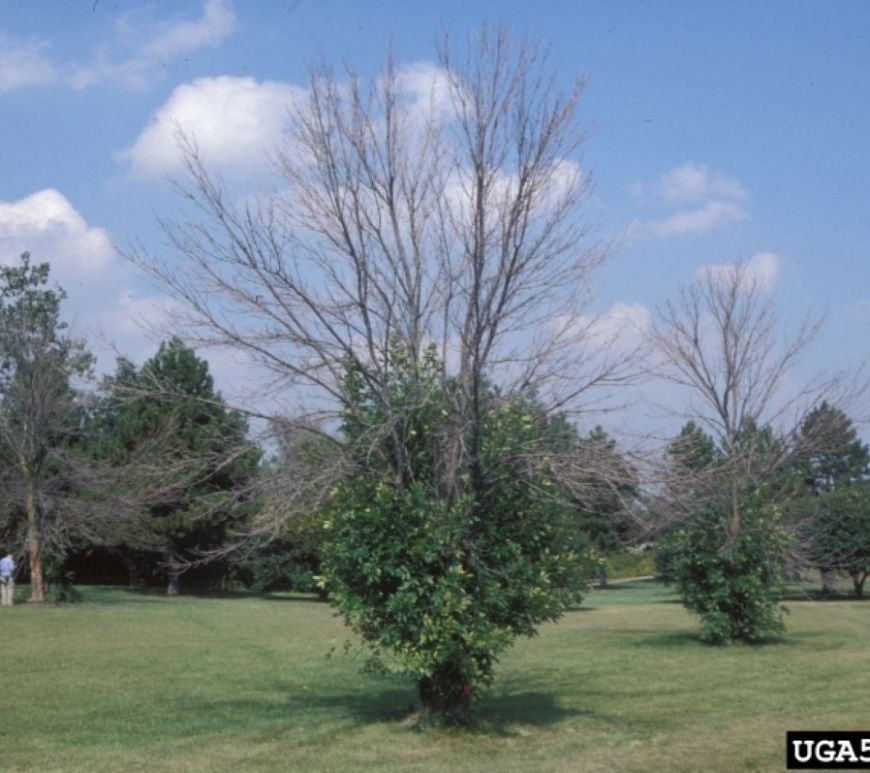
In their latest research Emma J. Hudgins, Frank H. Koch, Mark J. Ambrose, and Brian Leung, discuss the economic implications of pest-induced tree deaths in the US. Urban trees are key to the wellbeing of city dwellers but are at high risk of mortality from insect pests, due to having high rates of exposure to invasive species as enabled by trade, travel, and other human … Continue reading Hotspots of pest-induced US urban tree death: culprits, impacted tree species, and spatial hotspots

The hidden benefits of chocolate: cacao agroforests offer a conservation solution that supports biodiversity and livelihoods.

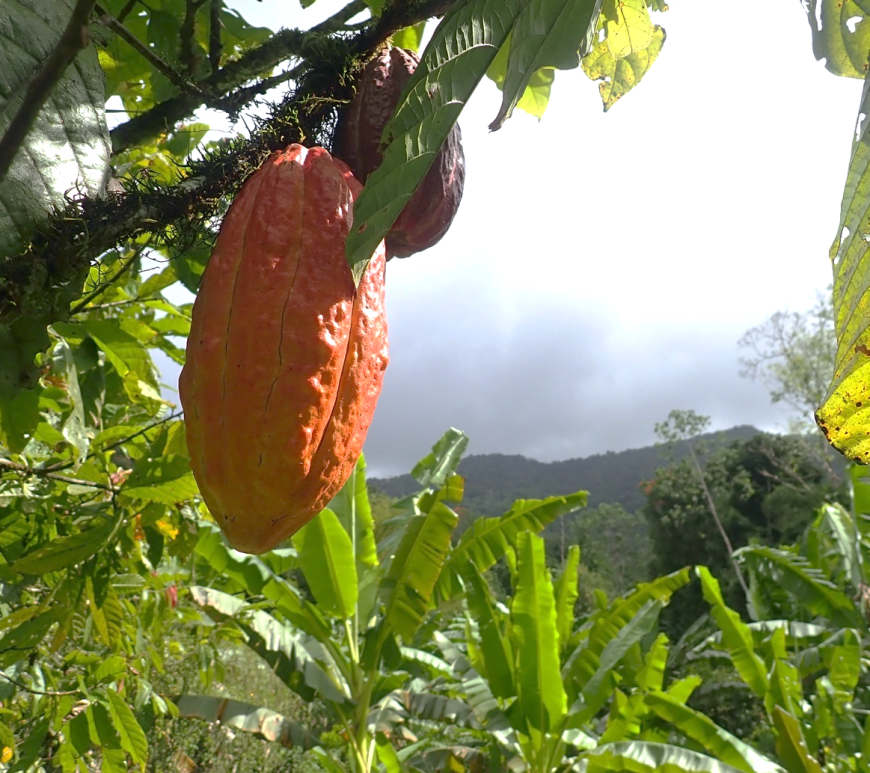
New work by Arnold and colleagues shows that sustainably grown cacao is a conservation solution which can support both people and nature, and that cacao agroforests and secondary forest can enrich regional biodiversity. Conservation initiatives have traditionally focused on protecting untouched natural areas. While this is important, we also need to understand how biodiversity can be promoted not as an alternative to human use of … Continue reading The hidden benefits of chocolate: cacao agroforests offer a conservation solution that supports biodiversity and livelihoods.

Biodiversity in West African parklands promotes pollination of shea

With demand on shea parklands increasing, Aoife Delaney and colleagues explore the pollination services to shea and how we can better support this resource of both ecological and economic importance. Their new research was recently published in Journal of Applied Ecology. Shea parklands occupy over 1 million km2 in the Sudano-Sahelian semi-arid zone of sub-Saharan Africa, from Senegal in the west to Uganda in the … Continue reading Biodiversity in West African parklands promotes pollination of shea