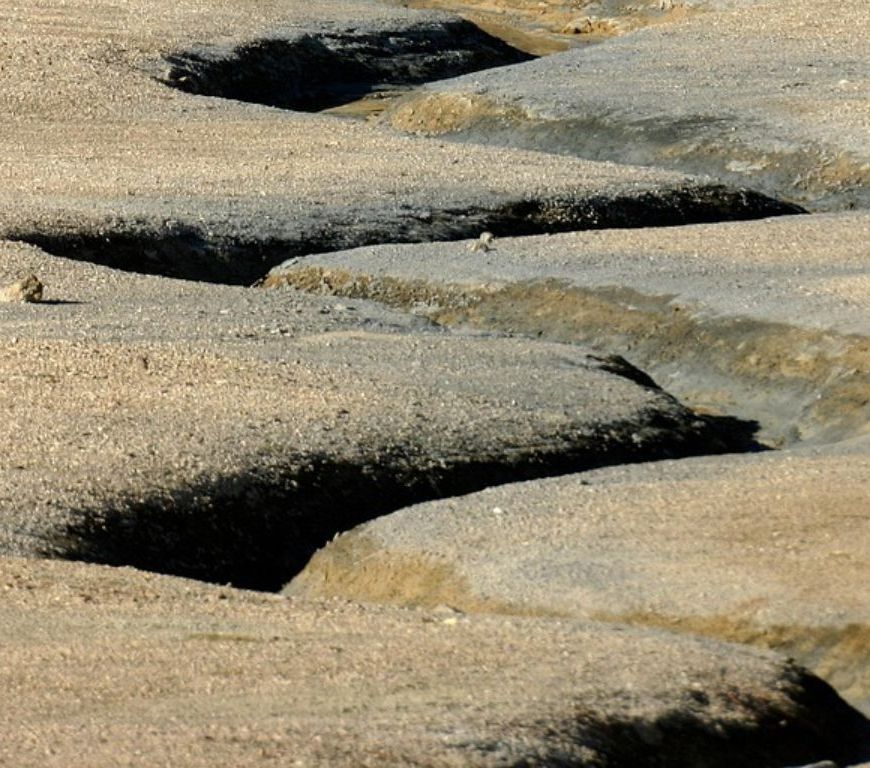
Why we need new monitoring tools in drying rivers

Rivers are increasingly drying up worldwide due to ongoing global change. This poses a major challenge for how we effectively protect them. We often assess the health of a river using a scoring system where higher scores of sensitive species show a healthier river, while their absence together with lower scores from tolerant taxa suggests the river is under human impact (e.g., pollution). However, these … Continue reading Why we need new monitoring tools in drying rivers

Defining a successful river restoration project

In this post Associate Editor Tadeu Siqueira discusses a paper he recently handled by Daniel Hering and colleagues ‘Contrasting the roles of section length and instream habitat enhancement for river restoration success: a field study of 20 European restoration projects’ Streams and rivers are among the most degraded ecosystems in the world. In comparison to oceans, these ecosystems contain a tiny portion of the total … Continue reading Defining a successful river restoration project

Managing native fish with environmental flows

Flow alteration is one of the most common threats to rivers and streams around the world. Alterations such as weirs, dams and water withdrawal for human uses tend to suppress natural flow variation causing a disconnection between rivers and floodplain wetlands. These changes to the natural hydrology of rivers can have detrimental effects for fish communities because many species of fish rely on periodic access to … Continue reading Managing native fish with environmental flows