By Walter R Jubber, Andrea Fuller, Maria Paniw
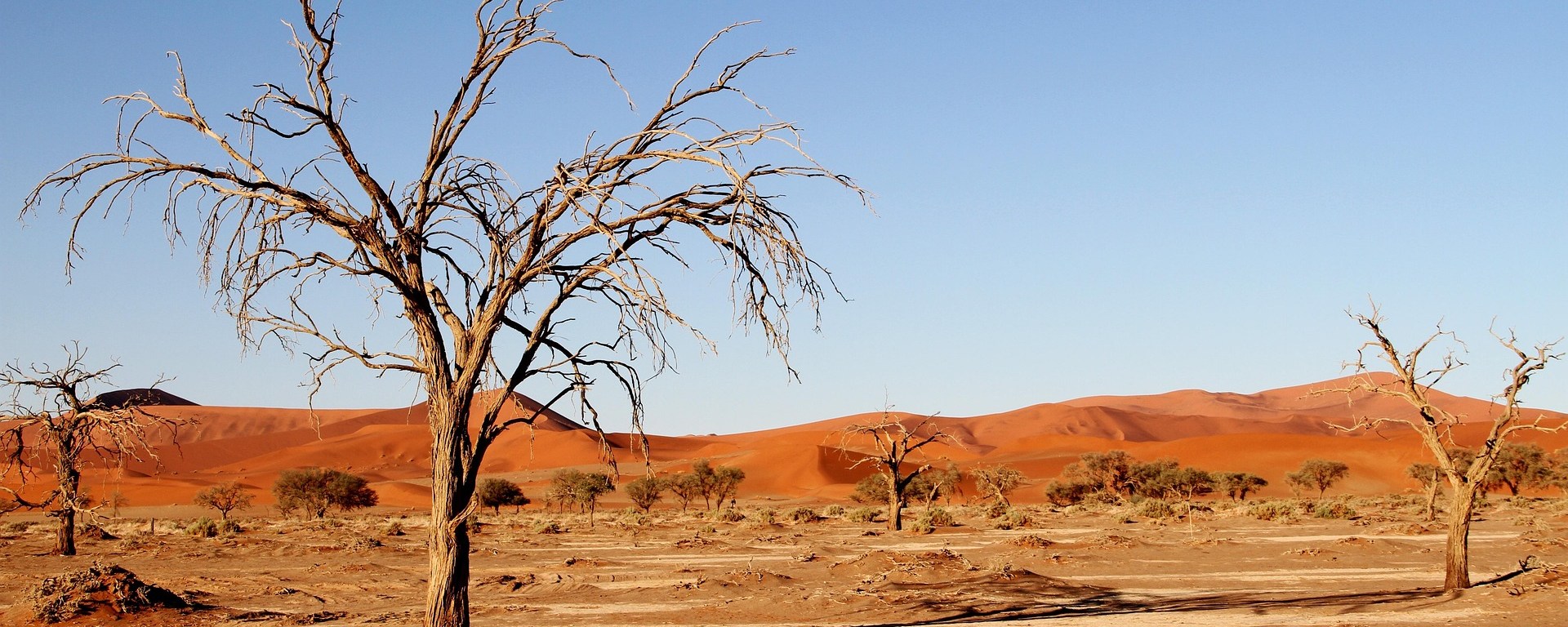
Drylands cover over 40% of Earth’s land surface. When we think about biodiversity in drylands, we often picture aboveground shrubs, flowers sprouting after rain, grazing animals, and maybe insects scurrying across the surface. But a key adaptation to extreme temperatures and aridity, especially for invertebrates, is spending most of their life below ground. Soil invertebrates hidden below ground, like termites, ants, and beetle larvae, are critical for nutrient cycling, soil structure, and even supporting animals higher up the food chain.
A problem for researchers who wish to learn more about these invertebrates is that they’re incredibly difficult to study. Most ecologists rely on pitfall traps to quantify soil biodiversity, which are great for catching surface-active species. But if an organism spends most of its life underground, it’s unlikely to fall into one. That means we’re probably missing a big chunk of dryland biodiversity. In this study, we set out to fix that.
A simple idea: sample the soil from below the surface
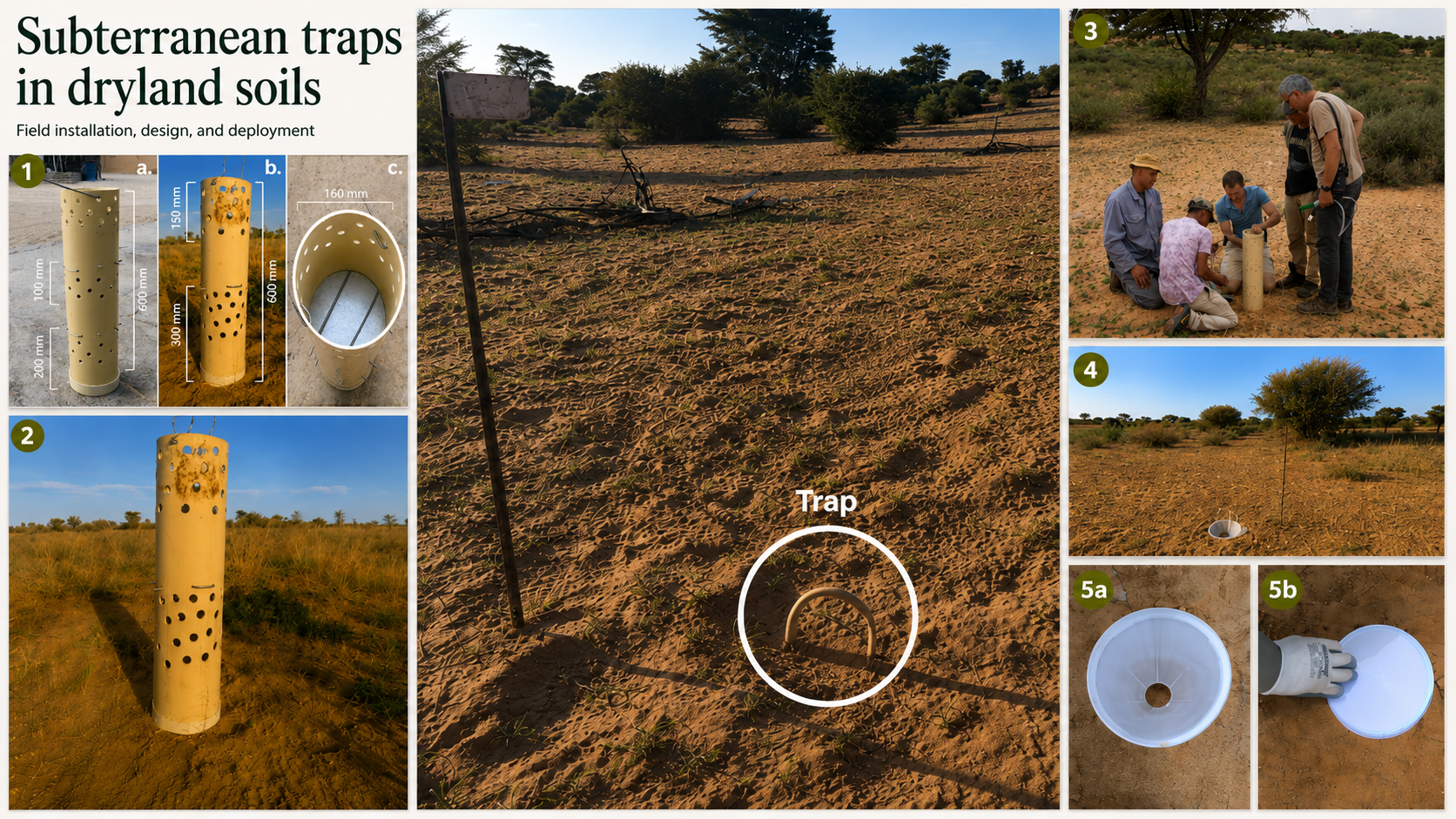
As part of the ‘BUGS in the Kalahari’ project (https://globalchangeeco.com/multitrophic-interactions) at the Kalahari Research Centre in the Northern Cape, South Africa, we designed a low-cost subterranean trap that can be buried in sandy soils and left in place for a month at a time. It’s surprisingly simple: a PVC pipe divided into sections, place into the ground and filled with the same removed sand and left open so invertebrates can move in and out naturally. No bait, no chemicals, just a way of letting the soil community “settle in” and then sampling what’s there. Importantly, it’s built to work in loose, dry sands, where many existing underground sampling methods tend to collapse or clog up.
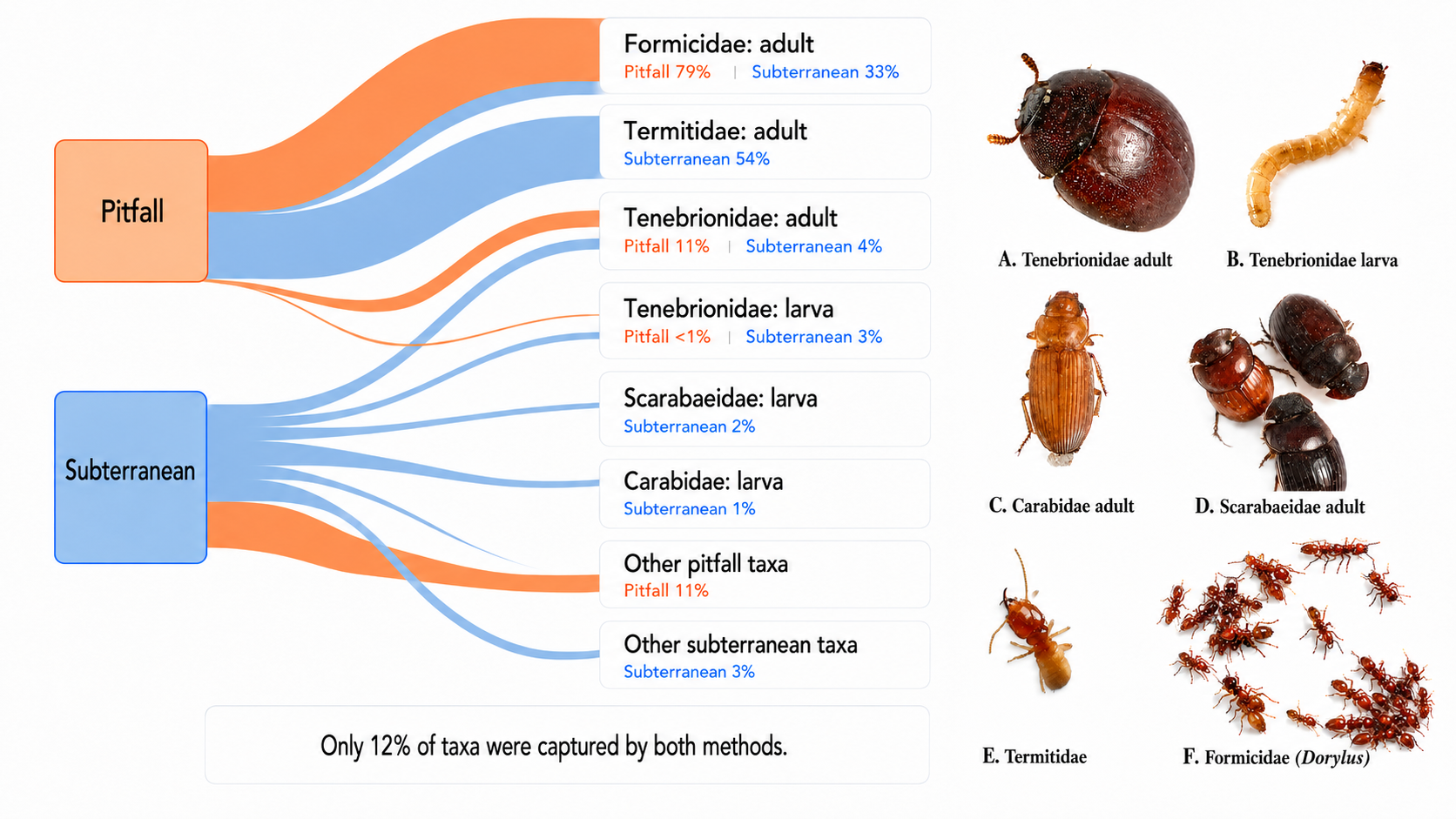
As our results show, not only is the new method effective at capturing soil-living invertebrates, but it also revealed a completely different pool of species from those found in conventional pitfall traps. When we compared our subterranean traps to standard pitfall traps, we found almost no overlap in what was caught (just 12%).
Pitfall traps were dominated by surface-active ants (almost 80% of captures). Meanwhile, the underground traps picked up species that seldom showed up above ground, including termites, underground (hypogaeic) ants, and beetle larvae living in the soil.
A hidden layer of ecological patterns
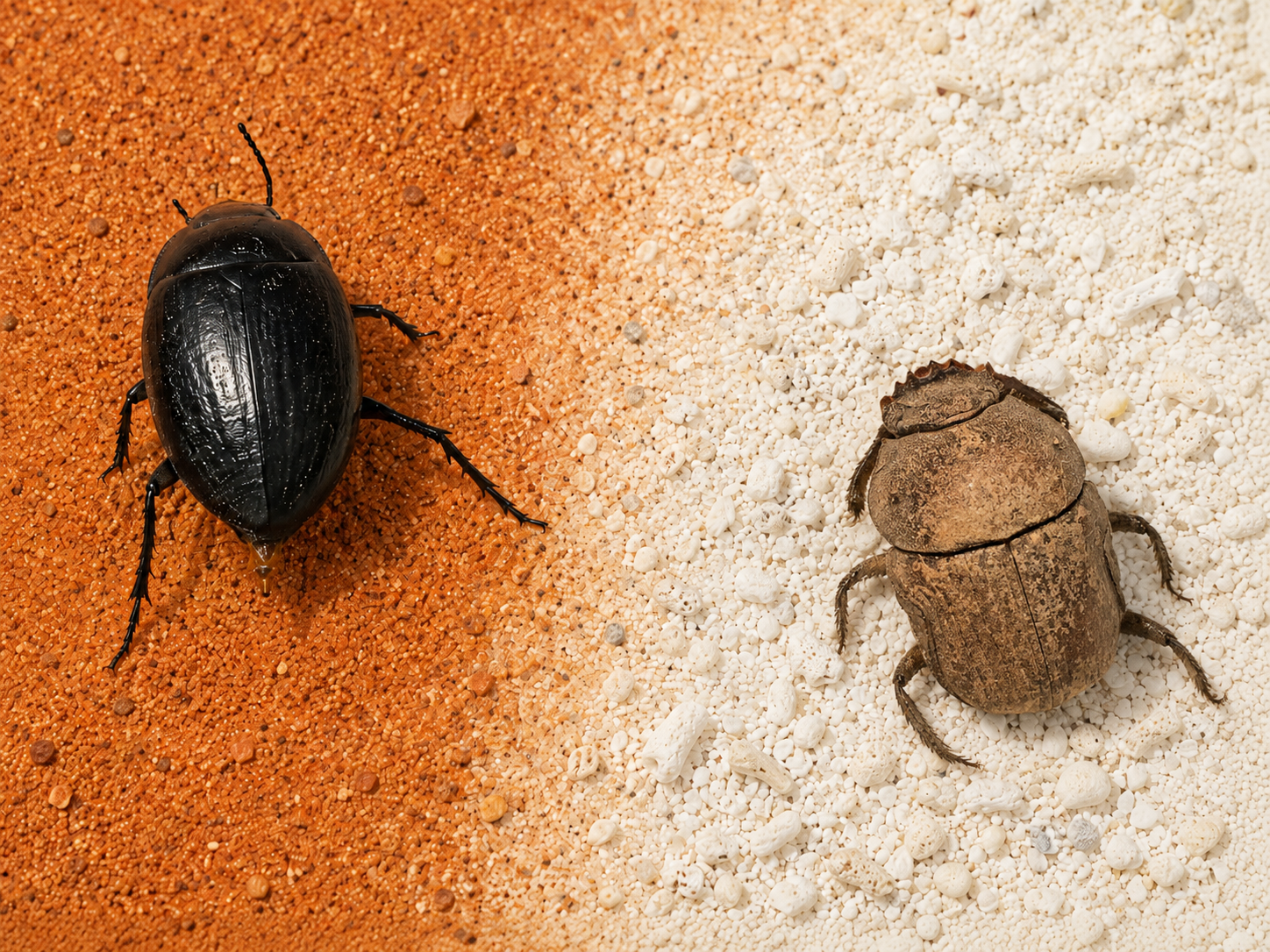
Because we deployed traps for several months, we were able to detect patterns we’d otherwise miss. Species richness, for example, peaked in the wet summer months, and different species preferred different types of soil: darkling beetles (Tenebrionidae) were more frequently found in red dune sands, while scarab beetles (Scarabaeidae) were more common in white calcareous soils. Interestingly, we found little difference in richness or diversity between depths, likely because sandy soils don’t have strong layering like other soil types.
Why should we care?
If we sample only what’s happening on the surface, we’re getting an incomplete and potentially misleading picture of biodiversity. Invertebrate biodiversity is currently threatened by habitat loss, climate change, pollution, and overexploitation, so we need to be able to investigate changing patterns in drylands and elsewhere.
What’s exciting about this method is its practicality. It’s cheap, reusable, and doesn’t require specialised equipment, making it accessible for long-term monitoring and use in remote areas.
The subterranean trap also complements, rather than replaces, traditional methods. Together, surface and subterranean sampling provide a much fuller picture of dryland soil biodiversity.
Read the full article ‘Capturing the unseen: A low-cost method for stratified subterranean sampling of soil invertebrates in drylands‘ in Ecological Solutions and Evidence.

