Prescribed burning is a controversial management tool. Here, Barbara Smith discusses new research she and colleagues conducted into the impact of burning on lowland heaths at three trophic levels over a 20 year period. Its findings provide evidence for ecologists, land managers and policy makers to support decision making in protected area management.
Background
Lowland heathlands, with their unique assemblage of species, were created by the first farmers through cutting, burning and livestock grazing of free draining acidic soils. This habitat stretched across northern Europe and in the UK were generally common lands supplying smallholder communities; historically it was considered poor land but plentiful.
Thomas Hardy, who set his tales of rural hardship against the backdrop of Dorset heaths (naming them collectively as ‘Edgon heath’) described them as:
“The untameable, [heath] now was it had always been. Civilization was its enemy… The great inviolate place had an ancient permanence…” – Thomas Hardy, Return of the Native.
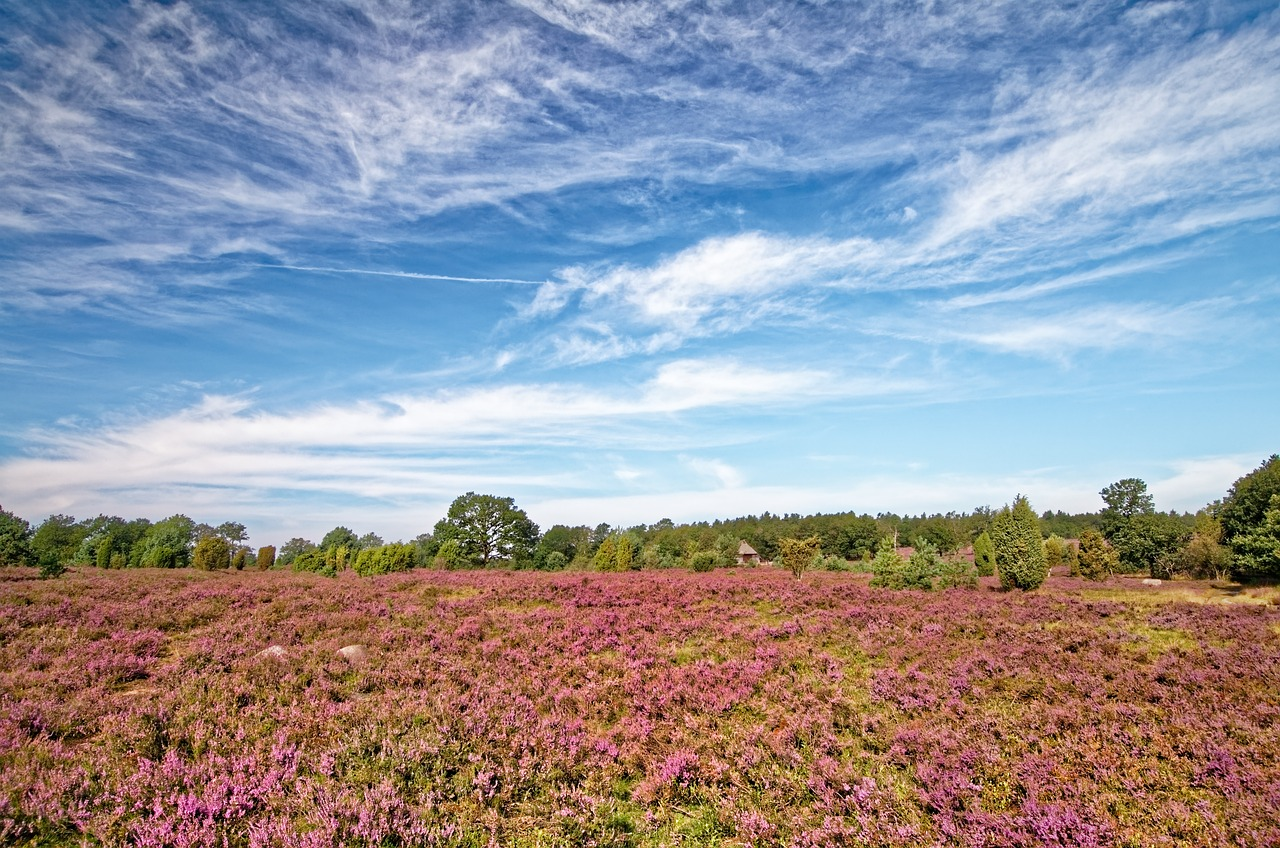
But the permanence that Hardy envisaged was no match for urban development and plantation forestry. UK lowland heath is now a sixth of the size it was in 1800 and the characteristic plant and animal communities of this once untameable place now require protection for their conservation value. However, exactly how to manage this habitat for nature is an active debate…
Burning – originally employed to provide fresh young vegetation for livestock, and to arrest succession to woodland – is a common prescription in conservation programmes. However, recently concerns have been raised that prescribed burns contribute to air pollution and may be detrimental to biodiversity. This argument is further complicated by inappropriate comparisons to the upland heath management for grouse shoots, although these bare little relevance for lowland heaths conservation.
The alternative to burning as a method to remove vegetation is cutting, either by swiping the vegetation and leaving the cuttings on the soil surface, or by cutting and baling. Given that the outcome we are now interested is the maintenance of heathland and its biodiversity, we need to know how these techniques compare and whether they lead to similar outcomes. Our study investigated this question.
Our study
We carried out our study in the New Forest National Park, which is the largest remaining area of lowland heath in Europe. It is common land and continues to be grazed (largely by ponies but with some cattle) by local landholders.

The Forestry Commission (FC) oversee an annual management programme which includes both prescribed burns and cutting (both swiping and heather baling). The detailed records kept by FC enabled us to sample a chronosequence of both burnt and cut sites to compare the outcome for biodiversity and heathland status up to 20 years after management.
Together we recorded vegetation composition, below and above ground invertebrate biodiversity; and available food resources for two characteristic heathland birds – the Dartford Warbler Sylvia undata and the Nightjar Caprimulgus europaeus. To assess heathland habitat condition, we used Commons Standard Monitoring (CSM) criteria developed by JNCC.
Our results
We found that when compared with swiped sites, areas managed by prescribed burning resulted in better habitat condition (assessed by CSM). Burned sites had a higher cover of heathers, lower bracken cover and more areas of bare ground.
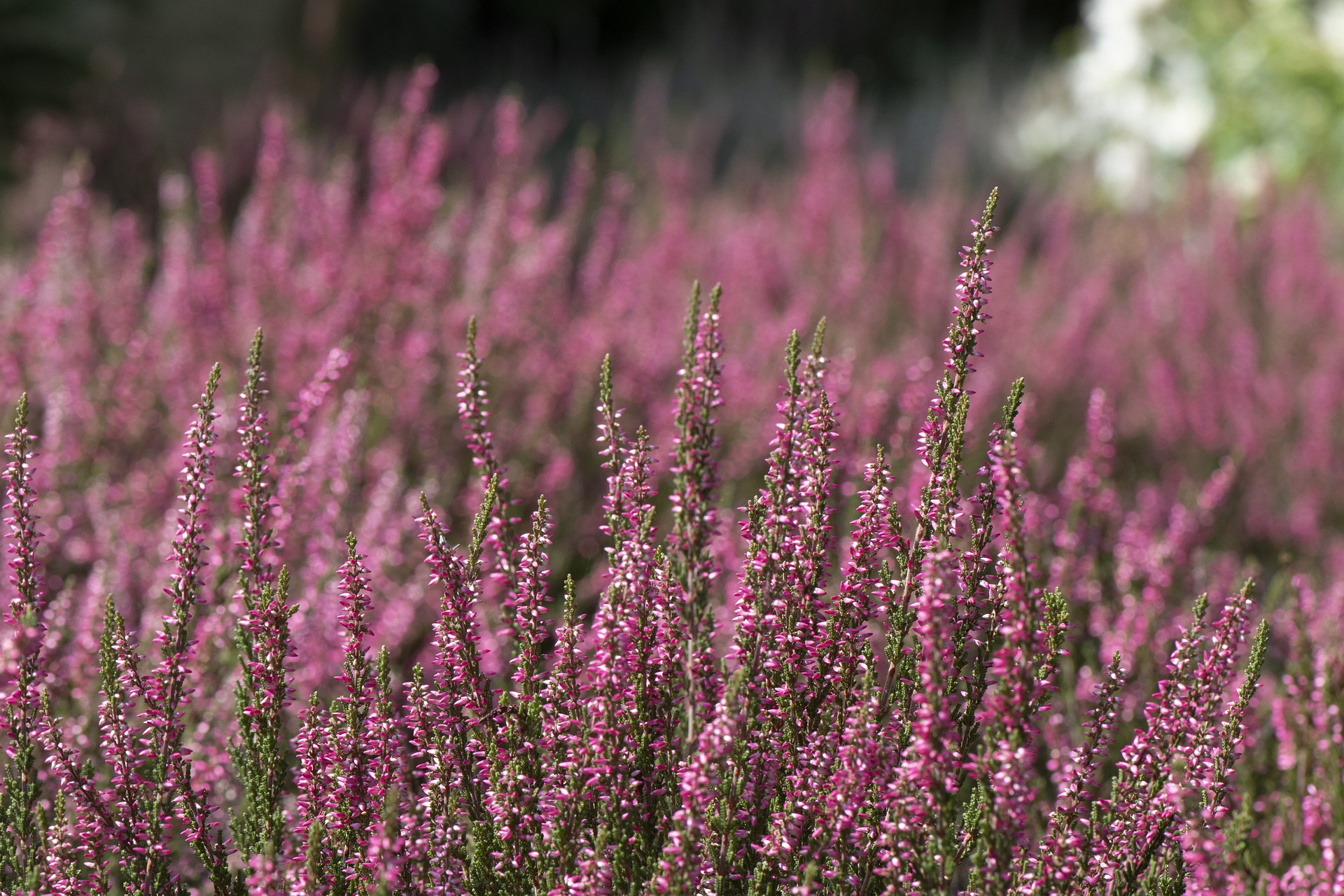
We found no evidence that burning is detrimental for the investigated components of biodiversity. Cutting by swiping did not replicate the benefits of burning. Swiping supported grassland conditions that suit non-heathland species. Baling resulted in habitat condition similar to that of prescribed burning, but restricted replication of baled sites limited our conclusions.
However, swiped sites supported high invertebrate abundance and diversity, including food resources for Dartford Warbler and Nightjar.
Our conclusions
We concluded that removing burning from the management programme is likely to reduce Heathland Condition.
Biodiversity is encouraged by a mosaic of management and more mobile species, such as birds, will exploit the resources provided by several management techniques. Including some cutting in a rotational regime is likely to be beneficial although prescribed burning should form the majority of the management programme.
However, during our research we came to the conclusion that current heathland Common Standards Monitoring assessment does not adequately assess wider biodiversity on protected areas but is effectively an assessment of vegetation feature condition; it does not include invertebrates, and this limits our ability to assess the wider impact of change at heathland sites. Including invertebrates in surveys provides a more nuanced assessment of heathland condition.
Read the full article “Resolving a heated debate: The utility of prescribed burning as a management tool for biodiversity on lowland heath“ in Journal of Applied Ecology
 The Applied Ecologist
The plants listed indicate that the sites contain both dry heath and wet heath (the latter being on peat). In general, there has not been much debate about the need to intervene on dry heath to keep it open, the main question is around wet heath, which is generally recognised as being damaged by burning. There are characteristic species associated with wet heath and their absence should be seen as a negative impact of management, either burning or over-grazing. A look at the soil/peat depth would have given another angle to consider, in particular, whether the management and measures are actually appropriate.
What this study has not considered is the wider negative ecosystem impact of burning vegetation on peat . There is reference to practices in the uplands but the controversy historically, is not so much about the reasons for the burning so much as the impact. Most of the burning in the uplands is upon vegetation on peat – there is relatively little dry heath. The cessation of burning on protected sites with deep peat is an acknowledgement by Government of the damaging impacts of routine burning upon ecosystem services, in particular raw water quality and carbon dynamics. The same issues will be relevant to wet heath in the New Forest.
LikeLike