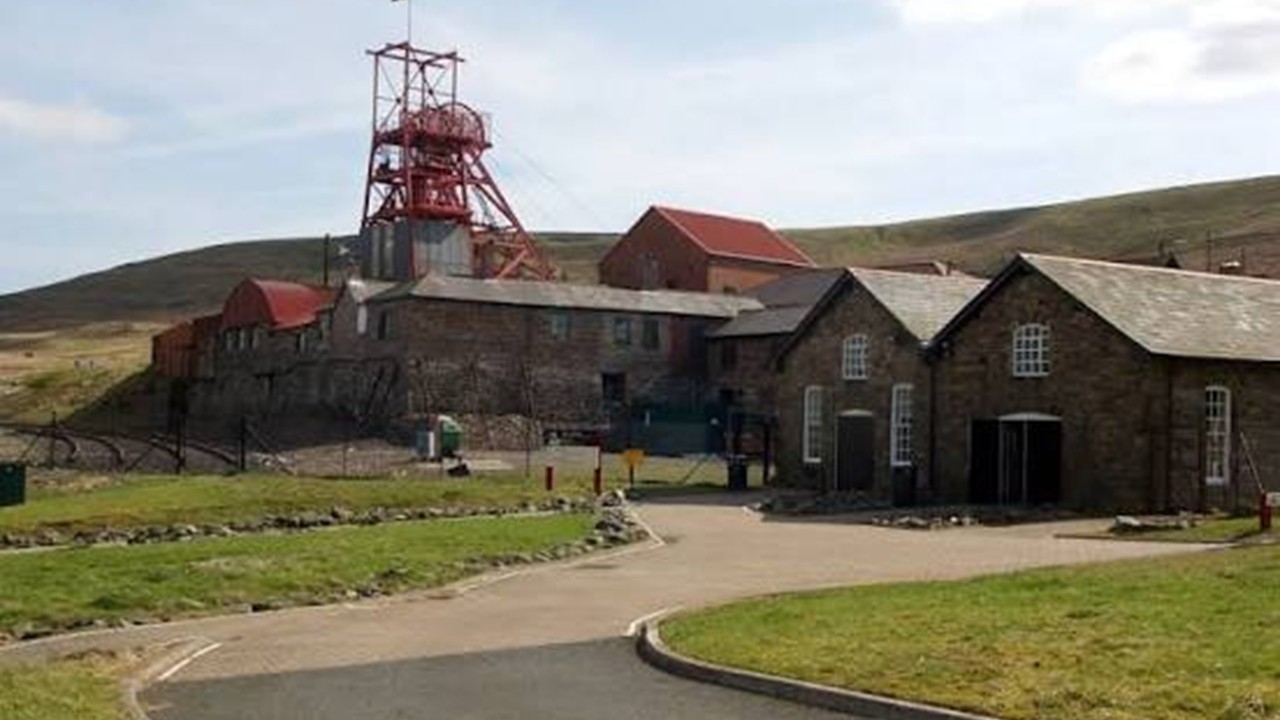
A Case Study
By Doha, Cassidy, Cara, Katya and Annya – Students from the University of Surrey’s BSc Programme
Introduction
The coal-fields that span the geography of South Wales are considered ‘valleys’; whilst the history behind what is now dispersed soil tips, is considered to have started mid-19th century, its history can be traced back to the iron-ore extraction industry, where British exportation made its profit. This unprecedented growth would later inspire the boom in coal. In a bid to maximise their business, Coal-owners imposed conditions akin to slavery to produce already 60 million tonnes by the early 1900s. The mining workforce later begun to confront inadequate wages and unsafe working conditions, eventually striking, repeatedly through its history.
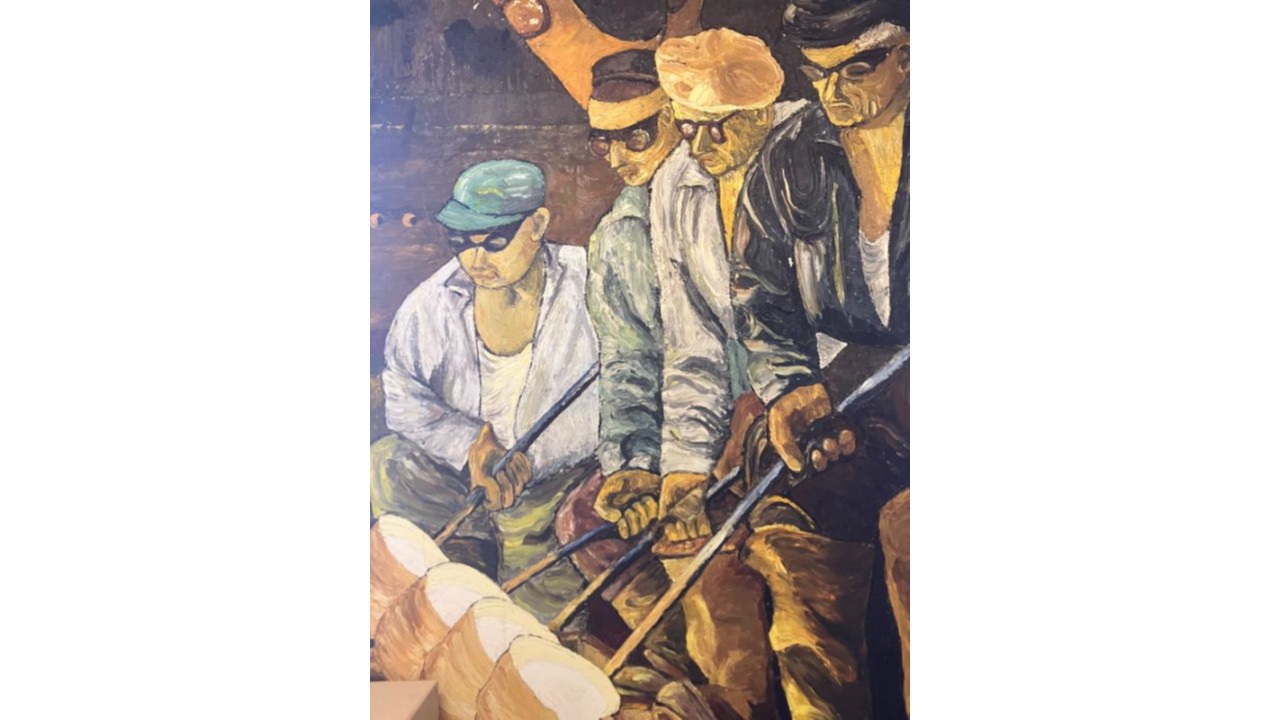
In this research, we will use The Big Pit (TBG) national museum as a case study to contextualise the impacts of coal mining and regeneration in South Wales. TBG is still considered a working mine with an extensive history that depicts the conditions of the miners, notably the largely ignored unsafe conditions that left many ill or dead, for example pneumoconiosis, known as ‘miner’s lung’ inflicting thousands of employees working 300 feet underground in narrow channels with little ventilation, slowly reducing quality of life. But today, it is a touristic attraction; historical preservation and economic prosperity are considered essential aspects of regeneration and transitioning communities from being industrial, coal-dependent capitals to sustainable means and ends of economic stability for both the people and the environment.
Methods and Findings
Our fieldtrip to the big pit, Blaenavon, South Wales, guided us into the mines that were used in the past as well as areas holding equipment used, like in the King Coal exhibit. This area was designated a world heritage site by UNESCO in 2000 due to its industrial landscape and historical importance honouring the development of coal industries.
The beginning of our activity involved us putting on protective equipment, namely a helmet, cap lamp, battery pack, belt, and self-rescuer device. These pieces of equipment were the same ones that were used by miners. We were then lowered 300 feet underground and guided around the coal faces and tunnels in a 50-minute tour. We were also instructed not to bring mobile phones or any other battery powered items underground to decrease the risk of electrical sparks that could potentially cause explosions in areas containing flammable gases.
The main field methods used during the trip included direct observation, visual analysis of the mining infrastructure, and the collection of qualitative information through museum exhibits. The analytical methods used included evaluating how regeneration transformed the former industrial site into a tourism and educational attraction, as-well as analysing the economic and cultural impacts on the local community.
One of the key findings from this field trip was that regeneration at TBG has helped transform the former industrial site into a successful heritage tourism attraction. This site now attracts visitors from across the UK and internationally due to its historical significance. This regeneration has created new employment opportunities and education which helps the local community. In addition, the preservation of the mining infrastructure helps maintain the cultural history of Blaenavon.
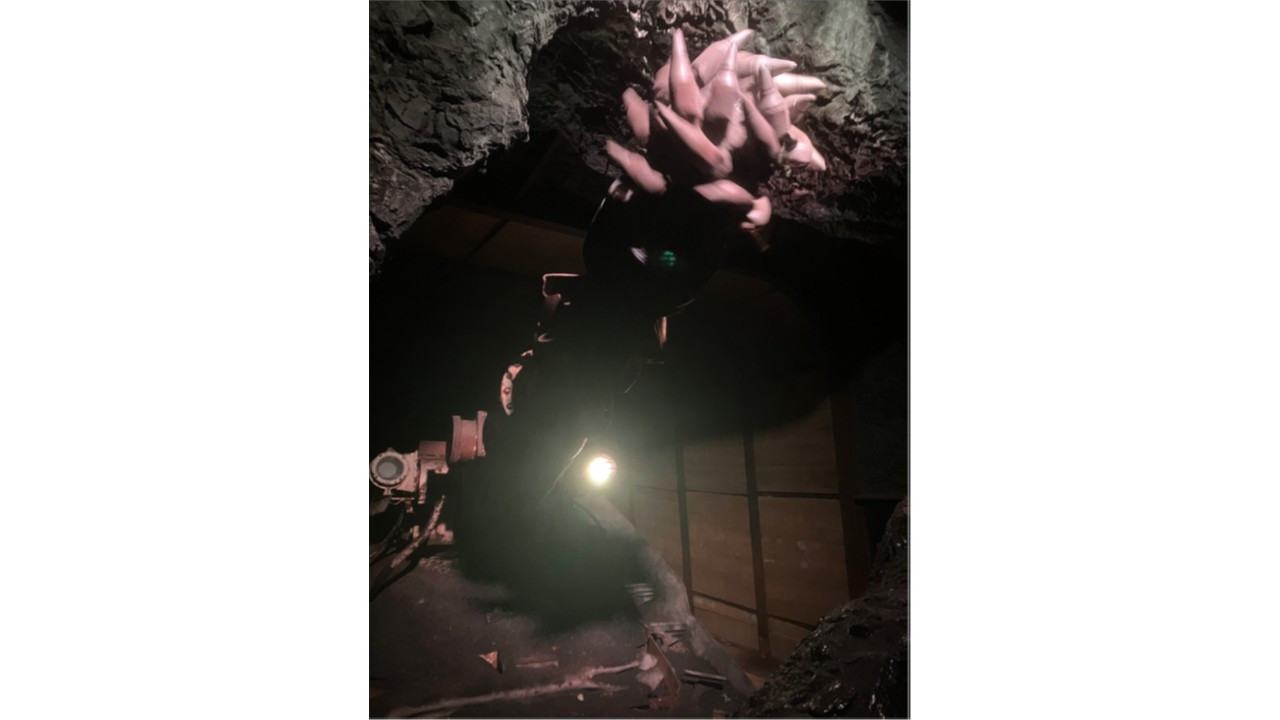
The king coal exhibit also demonstrated the technological development of coal mining during the 1970s through reconstructed machinery such as armoured conveyors, hydraulic roof supports and cutter-loaders. This allowed visitors to better understand the industrial processes used within the mine and the scale of the coal production during this period.
Key stakeholders involved in the regeneration and preservation of the site include former miners and their families alongside local communities in Blaenavon. More larger scale players are UNESCO, and Amgueddfa Cymru (museum Wales), which currently manages and maintains the site. These groups all contribute to maintaining the cultural identity and industrial history of the mining sites.
Conclusion
Overall, our findings reveal that Welsh council has effectively transformed what could have been an abandoned stigmatised mining site into positive ground work for sustainable development in south Wales. The policies and implementation regarding mining regeneration in South Wales have demonstrated how economic and social interests can be reconciled, balancing tourism and local-education.
In maintaining The Big Pitt heritage, this ensures both remembrance of workers’ struggles and revives mining ruin in a way that benefits present and future communities who can continue to utilise it, preserving stakeholder significance.
Whilst we visited the site and received detailed information, more could be gained from this research, through increased engagement with site and local council to gain more relevant qualitative data. Although The Big Pit illustrates environmental consideration, having ended production as a deep mine, the concern across other mines remains, especially with open-cast, which have left significant surface scar and damage scattered in multiple towns; policy-makers must consider how to transform many of these barren spoil tips, replicating the benefits reaped from the museum. Ultimately, the decentralised nature of Wale, is advantageous in propagating these developments to other mining pits, showing promising direction within regeneration.
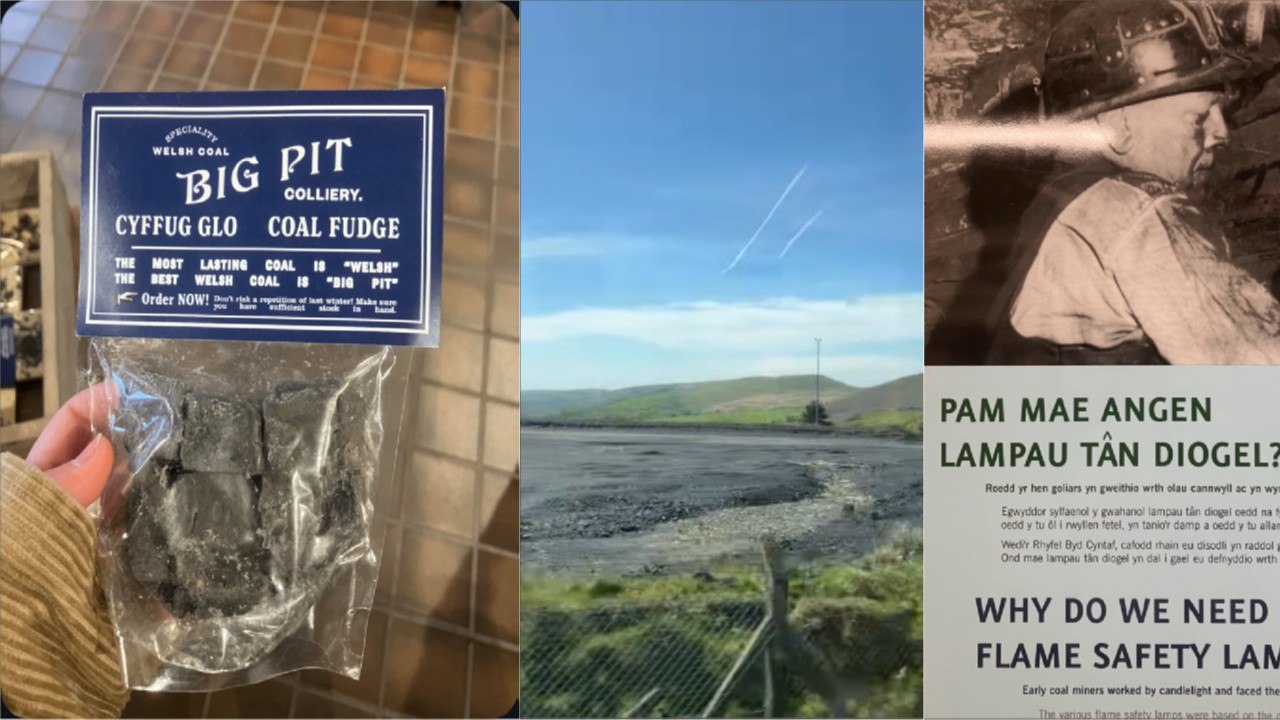
© Photos taken by Doha, Cassidy, Cara, Katya and Annya.

