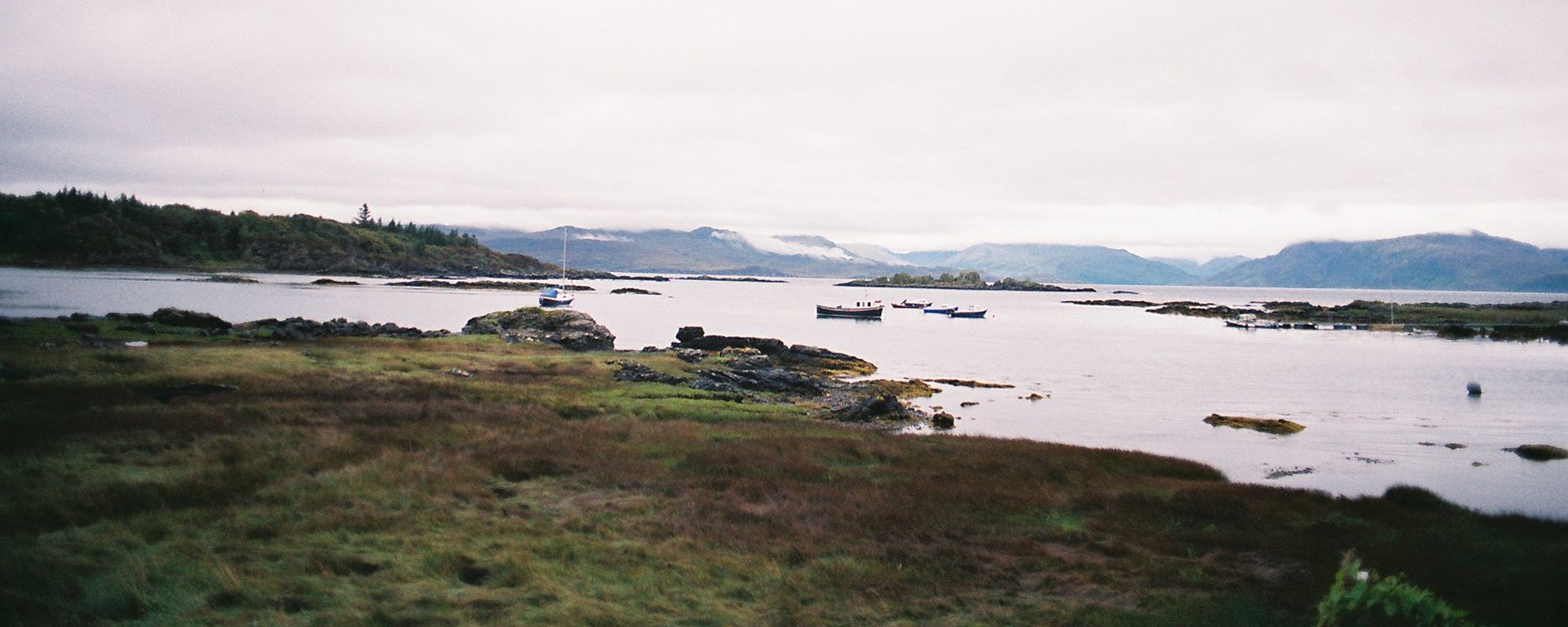
Last month, the British Ecological Society’s Rewilding Special Interest Group hosted Rewilding and 30 by 30 at ZSL in London, a one-day symposium on how rewilding can contribute to the global target of protecting 30% of land and sea by 2030.
Guillemette Gandon is an Associate Programme Officer at the UN Environment Programme World Conservation Monitoring Centre (UNEP-WCMC), where she works on nature-based solutions and safeguards in international conservation policy, and has a background on deliberative democracy, climate finance, and environmental justice. Her poster, “Rewilding for whom? Social and cultural considerations of the UK’s nature recovery targets”, won the event’s poster prize. In this blog post, she shares the experiences and ideas behind it.
Unfolding layers of history
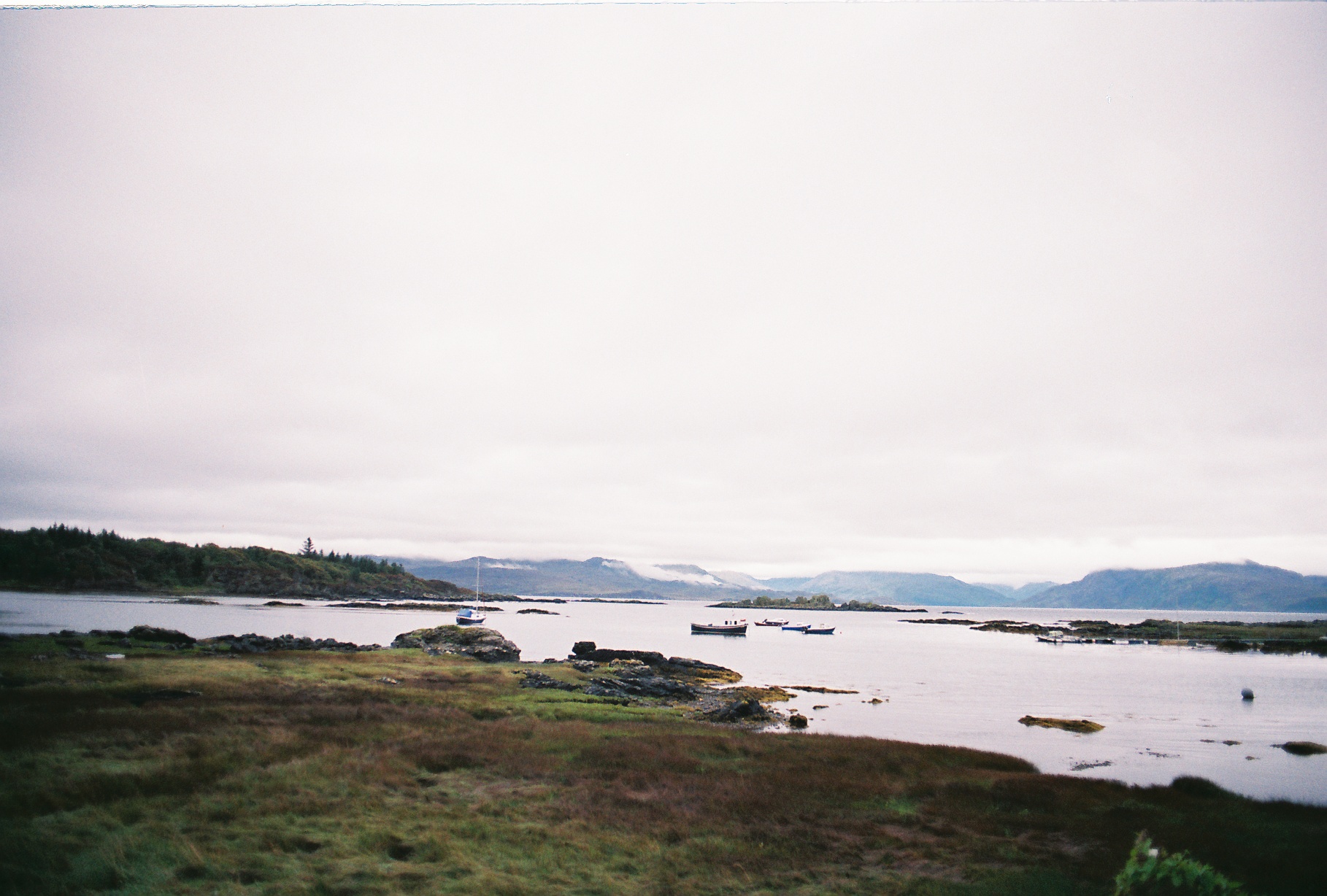
I remember my university years in Scotland, going on field trips in the Scottish Highlands and being told for the first time the ecological history of the landscapes. I remember my former professor telling me that the bare hills unfolding in front of me, the one I cherished and loved, the majestic herds of deer and the never-ending fields of heathers, were, all in one, an ‘ecological disaster’.
Despite the pessimistic tone of the narrative being told, part of me was left in awe. In awe with how layers of time and history added, removed, and shifted layers of these biological ecosystems. It felt like time travel. Through methods and cultures of ecological management, I learned about the history of Scotland, the land ownership systems, how landlords were conducting hunts on their grounds for leisure, I learned about the dry-stone ‘dykes’ – piles of rocks separating agricultural fields, where they came from and how ‘terribly wrong’ that was for nature recovery, preventing seeds and plants from dispersing, hindering ecological connectivity.
But mainly through these stories I could not stop but see unfolding in my mind’s eye how the Scottish hills have lived through time: through clans and wars, farming and leisure, cultural practices and political upheaval.
I think these were the days when I started being fascinated by these incredible human-nature dynamics, how our society has evolved, over time, and its relationship with the landscape. Whilst these stories were told through a negative lens by my professors at the time – what I took from it was different. Our history is inherently intertwined with the land, and these stories of the past can only reveal, teach us, and shine lights on how the future of nature recovery can happen.
The risks of romanticising wilderness
When thinking about nature recovery, we think nature, wildlife, biodiversity. We think wilderness and giving back nature its power and self-sustaining capacity. But we cannot reimagine these landscapes by removing or ignoring centuries of relationships between communities, cultures, people, and this land. When we put nature at the centre without recognising the social, economic and cultural practices woven into a landscape, we risk repeating old patterns of land dispossession and cultural erasure. Scotland knows this well: during the Highland Clearances, communities were removed to make way for new uses of the land. Too often, landscapes are reimagined by outsiders with little regard for the livelihoods, traditions and knowledge of the people who live there.
Nature and people in practice
Throughout the last years, I have seen in practice the impact that wrongly designed environmental management has on people, not only in the UK, but across the world.
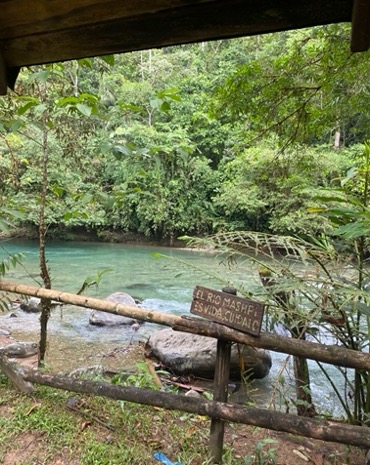
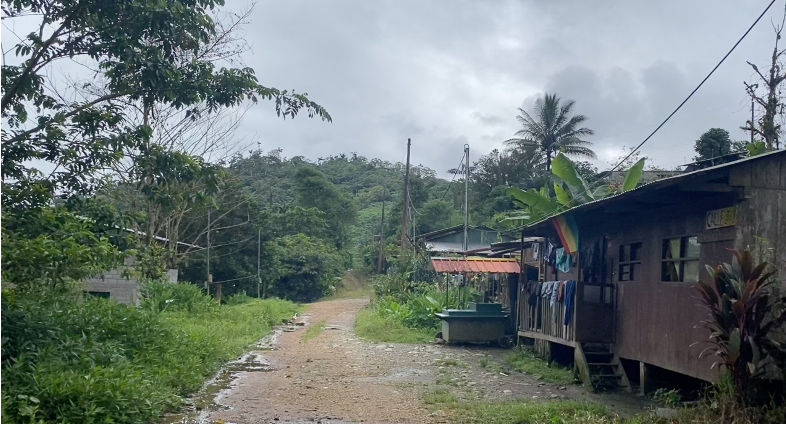
During my field studies in Ecuador, interviewing small-farmers and rural communities of the Choco-Andino rainforest, I realised how excluded these communities were from the biodiversity protected areas neighbouring them. Later, working at Earthwatch Europe, I learned about the disproportion and inequalities of nature access in UK’s urban landscapes. Through previous work in the climate finance sector, I witnessed how local populations were often only considered as an afterthought for international carbon projects, barely benefiting from the imposed management change of their own land.
But I have also been exposed to solutions, and how we can move forward for a more just and holistic nature recovery.
Through my work at the Oxford Citizens’ Jury for nature, I learned about the beautiful power of deliberative democracy and how eager populations were to be involved in the decision of the access and management of the nature that surrounds them. In my current work at UNEP-WCMC on international conservation policy, I see how safeguards and ethics are slowly becoming a non-negotiable process when implementing nature restoration and protection strategies.
Moving forward
Whilst there is still a lot to do, my experience and understanding simply highlight the following: rethinking our landscape through nature recovery is not about reimagining a completely new landscape where all our coexistence with it is erased – it is about working together towards a holistic approach which allows us to restore the land whilst leaving the agency, belonging and identity of the very people that live in it.
You can find out more about the British Ecological Society’s Rewilding Special Interest Group here.

