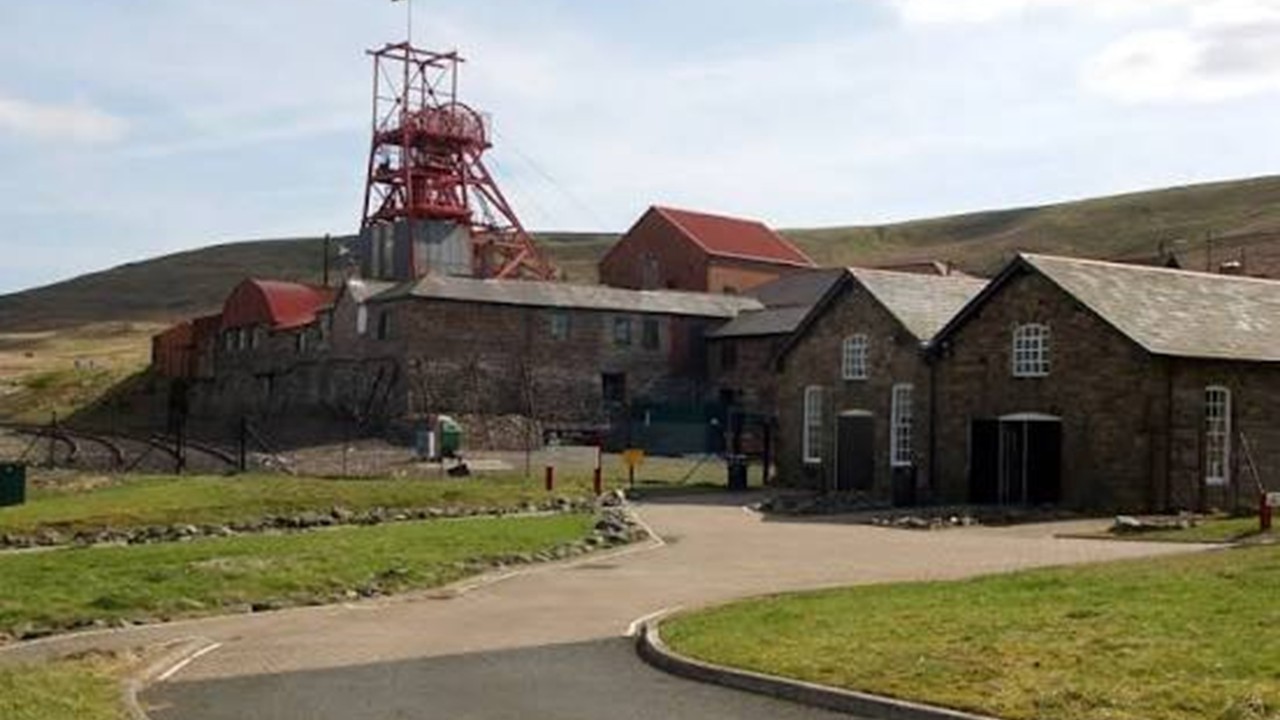
The Big Pit National Coal Museum
By Arwen, Tom, Kerith & Justin – University of Surrey Students on the BSc in Environment and Sustainability programme
Introduction
The Big Pit National Coal Museum is a former coal mine renovated and opened as a tourist attraction on 1 April 1983. It offers underground tours and an above-ground interactive museum. Since opening, Big Pit has attracted over 4 million people and provides approximately 70-80 full-time, seasonal and contract jobs for the local community.
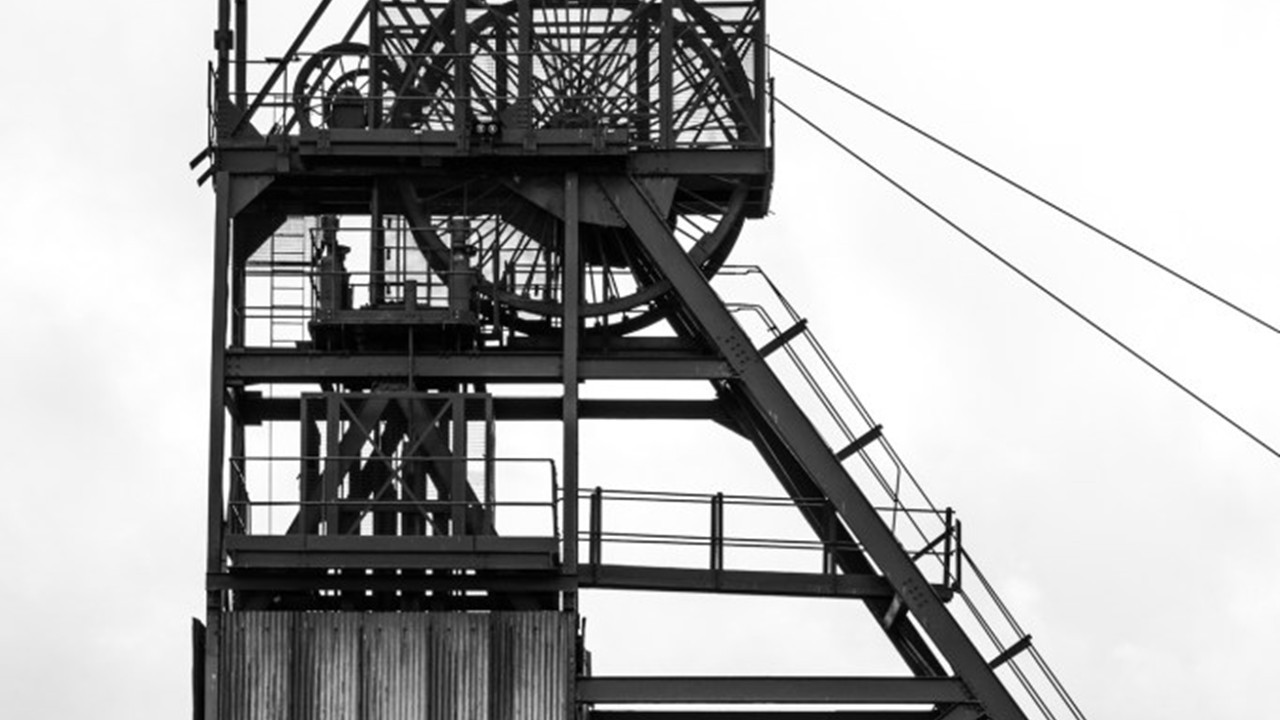
In this blog we will cover the regeneration of old mining communities in Wales and the actions taken to replace the coal mining industry that supported them. One common path to recovery has been tourism, with communities developing their own ways to attract visitors. We focus on Blaenavon and the successful attraction of Big Pit, including its history, our visit and its impact on the local community.
Methods and findings
Our main field method was field observation during an educational visit to the Big Pit National Coal Museum. Blaenavon was established in 1789 when land known as “Lord Abergavenny’s Hill” was bought by Thomas Hill of Dennis, Thomas Hopkins of Rugeley and Benjamin Pratt of Great Whitley. They established the Blaenavon Ironworks, and the success of this industry led to the growth of the town. In 1812, Blaenavon produced around 14,000 tons of pig iron. At the same time, coal mines began to appear, with Forge Level, part of Big Pit, dating from 1812.
As the iron industry declined, coal production became increasingly important. South Wales reached maximum coal output between 1880 and 1913, but the industry later declined because of the Great Depression, reduced demand, foreign competition and pit closures. Big Pit, Blaenavon’s last coal mine, closed in February 1980.
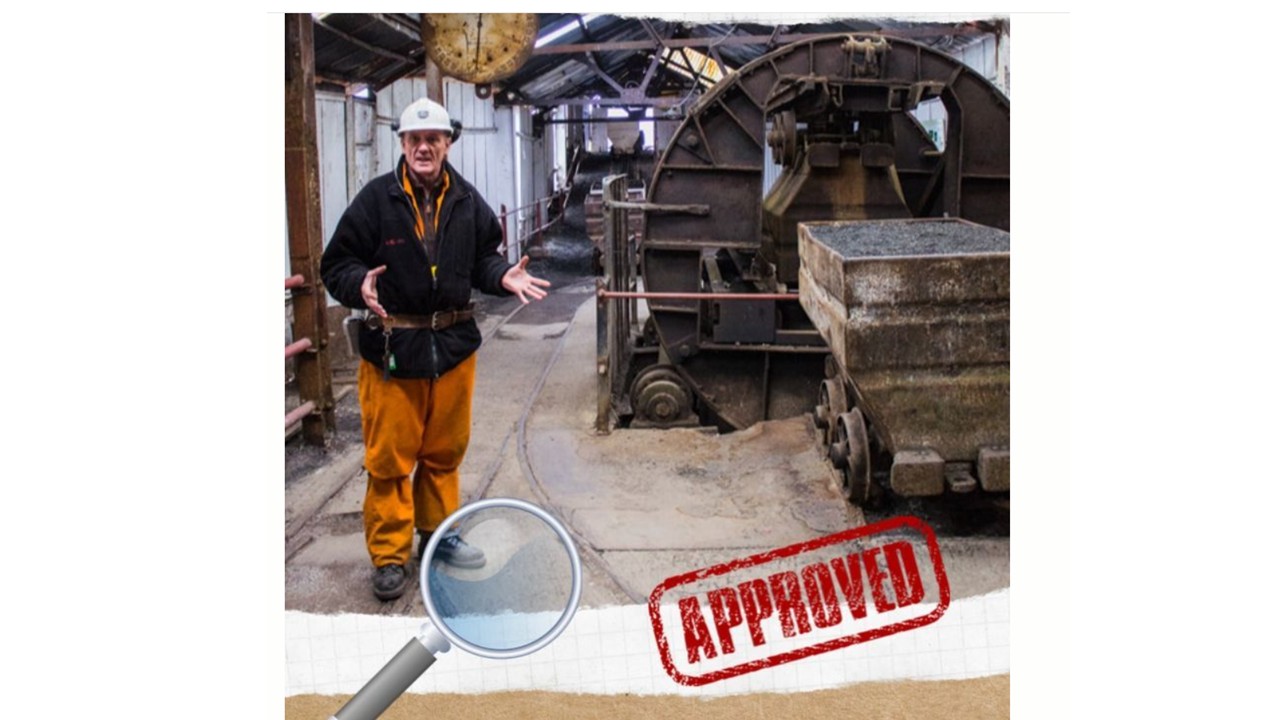
Through direct field observation, we went underground into a real former coal mine. Although our trip was cut short and we did not see the full museum, the underground experience showed us what mining life was like. We left our phones behind for safety and travelled around 90 metres below the surface in a lift-like cage. The narrow, low tunnels were cramped and dark, showing how difficult working conditions were and how dependent miners were on their lamps.
Our observations also showed how mining communities were organised. We saw how families were given specific working areas and visited the underground stables where horses transported coal through the tunnels. Mining was a family-centred way of life, and children sometimes stayed underground while their fathers worked.
The museum and the local community
Big Pit was turned into a museum to preserve the history of coal mining in South Wales. Coal mining once provided employment for thousands of people and supported the Welsh economy. As mines closed, there was a risk that this history would be lost. The museum protects this heritage and helps visitors understand the importance of mining to local communities and Welsh identity.
Safety was essential because mining involved risks including gas explosions, collapsing tunnels and poor air quality. The museum displays mining equipment, helmets, lamps and tools to show how technology and safety practices developed.
The museum has several stakeholders. The local community benefits from jobs for tour guides, maintenance workers and museum employees. Former miners share their experiences, while tourists and students learn about industrial history. Together, these stakeholders help the museum educate visitors and support the local economy.
Challenges and regeneration
For nearly a century, Wales depended on coal for its economic, social and political wellbeing. When the industry collapsed, communities that relied on coal experienced socio-economic problems, including outmigration, depopulation and a reduction in the working population. This created pressure to keep the local economy sustainable without increasing social deprivation.
Former mining communities have also experienced health problems, including respiratory illness, heart disease, mental health issues and arthritis. Poor health is linked with poverty and deprivation in some former mining valleys. Efforts to improve the economy include support for local businesses and programmes such as Job Growth Wales, which provides paid placements and skills development.
Transforming Big Pit into a museum has had positive effects. It opened as a national coal museum in 1983 and attracted 149,000 visitors between 2018 and 2019. Tourism brings money into the local economy, creates jobs and can improve local livelihoods.
We really enjoyed visiting Big Pit and are now more aware of the challenges faced by mining communities in South Wales. The visit also allowed us to experience some of the conditions miners faced.