Creating platforms for community participation in the design of multifunctional landscapes

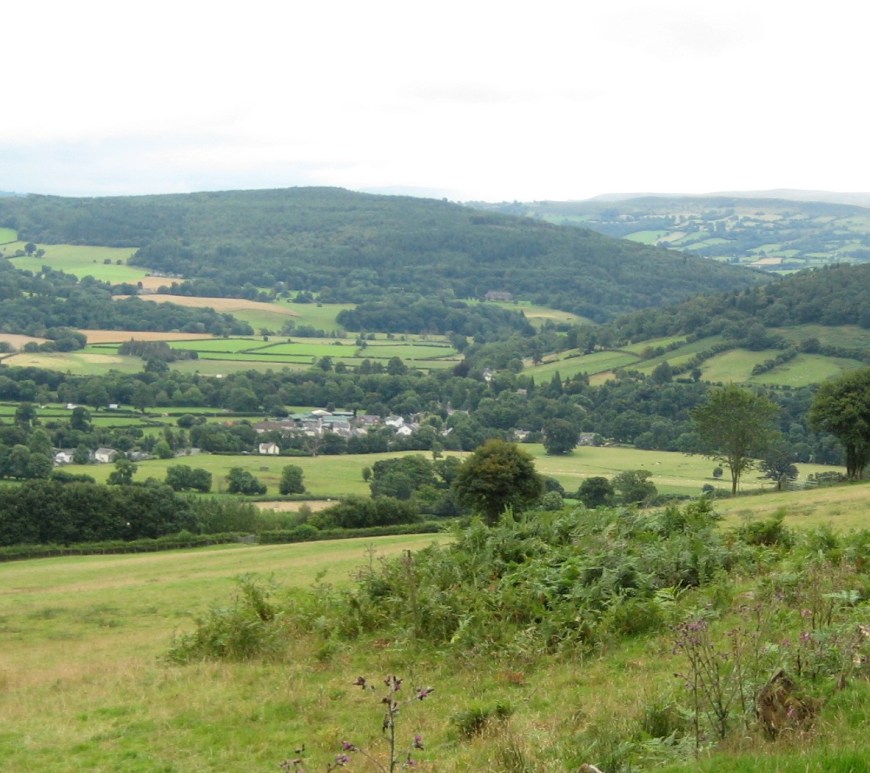
Integrating social and ecological science to develop landscape-focused solutions to environmental problems, Osiman Mabhachi shares the story of a project supported by the British Ecological Society’s Ecologists in Africa grant. Rural communities across Africa connect to landscapes in diverse and complex ways, and communities’ dependence on natural resources found in landscapes is well-documented. As with other continents, African landscapes are undergoing transformations primarily driven by … Continue reading Creating platforms for community participation in the design of multifunctional landscapes

Sustainable intensification: our quest for the ‘holy grail’

Is it possible to meet food demands and increase production without the damaging costs to the environment? Patrick White et al. tackle this challenge in their recently published research in the journal. As the world population grows, our finite land is put under increasing pressure to meet food demands. Historically we have increased agricultural yields by increasing the intensity of agricultural practices – for example … Continue reading Sustainable intensification: our quest for the ‘holy grail’

On the horizon: Food for the future – regulating gene-edited plants

Could gene-edited plants provide better food security? And what are the risks and potential consequences presented by this process? Helen Doran (Senior Specialist, Futures, Natural England) explores these questions in the latest instalment to our ‘On the horizon’ series. ‘Imagine that a cheap, easy-to-use, and rapidly deployable technology could make crops more fertile and strengthen their resistance to threats such as climate change and disease’ … Continue reading On the horizon: Food for the future – regulating gene-edited plants

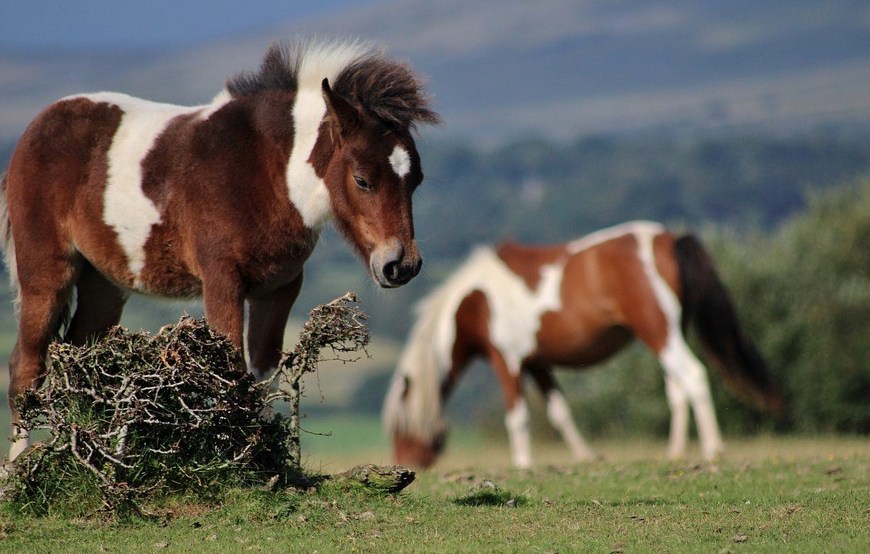
Horse grazing restores plant diversity and pollinator habitat use

Associate Editor, Meredith Root-Bernstein discusses the short-term effects of rewilding projects and the recently published paper, Experimental rewilding enhances grassland functional composition and pollinator habitat use by Garrido et al. Rewilding has attracted attention as an emerging approach to nature conservation in areas where large animals and their ecosystem functions are missing. In Europe, ecological processes carried out by large herbivores may have been significantly … Continue reading Horse grazing restores plant diversity and pollinator habitat use

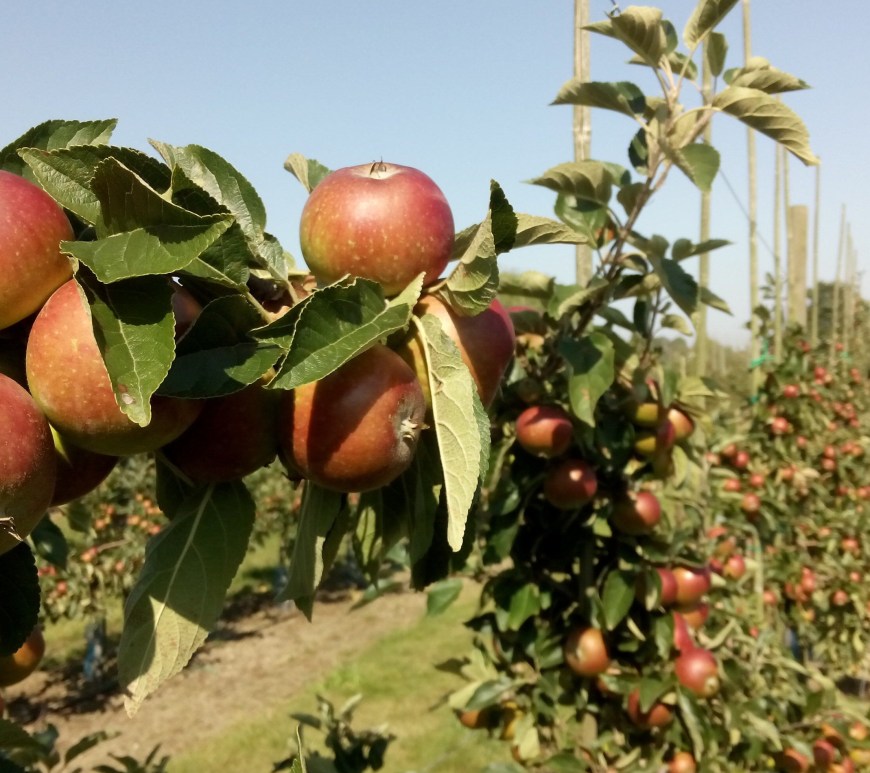
Editor’s Choice 56:4 – A worm in the apple

Issue 56:4’s Editor’s Choice, Management trade-offs on ecosystem services in apple orchards across Europe: Direct and indirect effects of organic production highlights the need for more environmentally friendly pest control approaches in order to keep up with increasing production demands and avoid damage to pollination services. Associate Editor, Juan Corley, comments on the article. Strategy to minimize the negative effects of pests and weeds is … Continue reading Editor’s Choice 56:4 – A worm in the apple

Cross-journal Virtual Issue: Lianas and Global Environmental Change

Together with Functional Ecology and Journal of Ecology, we’re showcasing  some of the top research recently published in the journals on the topic of lianas and global environmental change. Here Ainhoa Magrach brings the papers together and highlights the important roles lianas play in tropical forests. Lianas are a common feature of tropical forests, contributing up to 25% of woody stems. However, these important tropical … Continue reading Cross-journal Virtual Issue: Lianas and Global Environmental Change

Integrating ecosystem services into environmental decision making

How can institutions and decision makers better work with practitioners to deliver an effective ecosystem services approach in a world of competing priorities? Read the questions posed by Alina Congreve and Iain Cross, and share your thoughts in the comments below. The related challenges of climate change and biodiversity conservation require decision makers to develop an effective range of policy solutions. One approach is to … Continue reading Integrating ecosystem services into environmental decision making

Do wildlife-friendly farming subsidy schemes deliver their expected benefits?

Recently Michael MacDonald examined the impact agri-environmental schemes have had in the UK and, in particular, Wales. Now Associate Editor Peter Manning highlights the need to focus on evidence of these schemes’ effects when considering agricultural policy reform. There is now overwhelming evidence that agricultural intensification has proven disastrous for wildlife, and that policies encouraging intensification are a key driver in this process. In Europe … Continue reading Do wildlife-friendly farming subsidy schemes deliver their expected benefits?

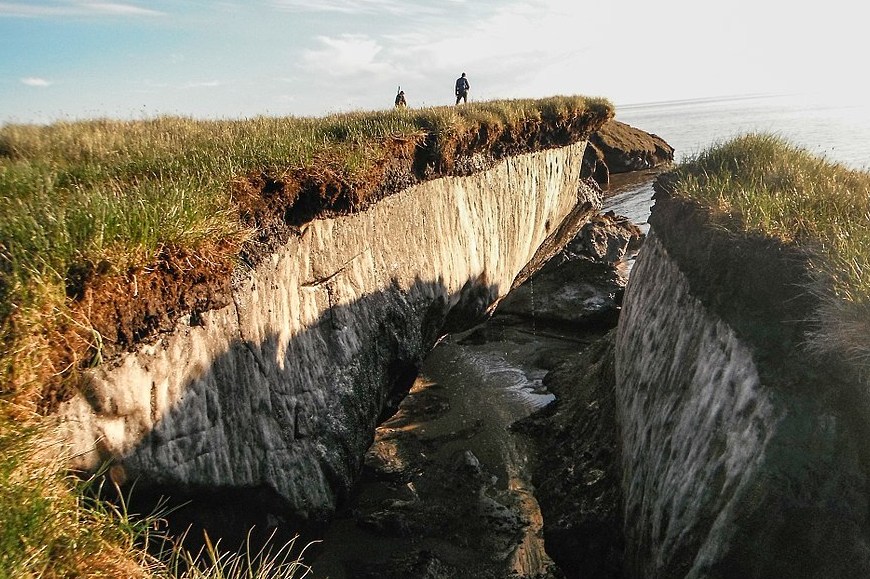
On the horizon: mercury rising

For our latest ‘On the horizon’ post, Colleen Seymour explains how climate change could release vast amounts of mercury into the environment as permafrost melts. Hat making was a particularly hazardous occupation in the 17th century.  Mercuric nitrate was used to soften pelts, and its use in poorly-ventilated rooms almost inevitably led to mercury (Hg) poisoning (‘mecurialism’), which manifested as a combination of psychoses, physical … Continue reading On the horizon: mercury rising

Cover stories: wildlife disease surveillance

The March 2019 cover image shows an ailing chimpanzee (Pan troglodytes schweinfurthii) monitored by Gombe Ecosystem Health researchers in Gombe National Park in the months before his death. Here we also see a female chimpanzee monitored by the Gombe Ecosystem Health Research team demonstrating signs of respiratory illness characterized by rhinorrhea. Photos by Kara Walker and Christopher Walker. The corresponding article, Optimizing syndromic health surveillance in free … Continue reading Cover stories: wildlife disease surveillance