Volunteering time matters for improving amphibian conservation

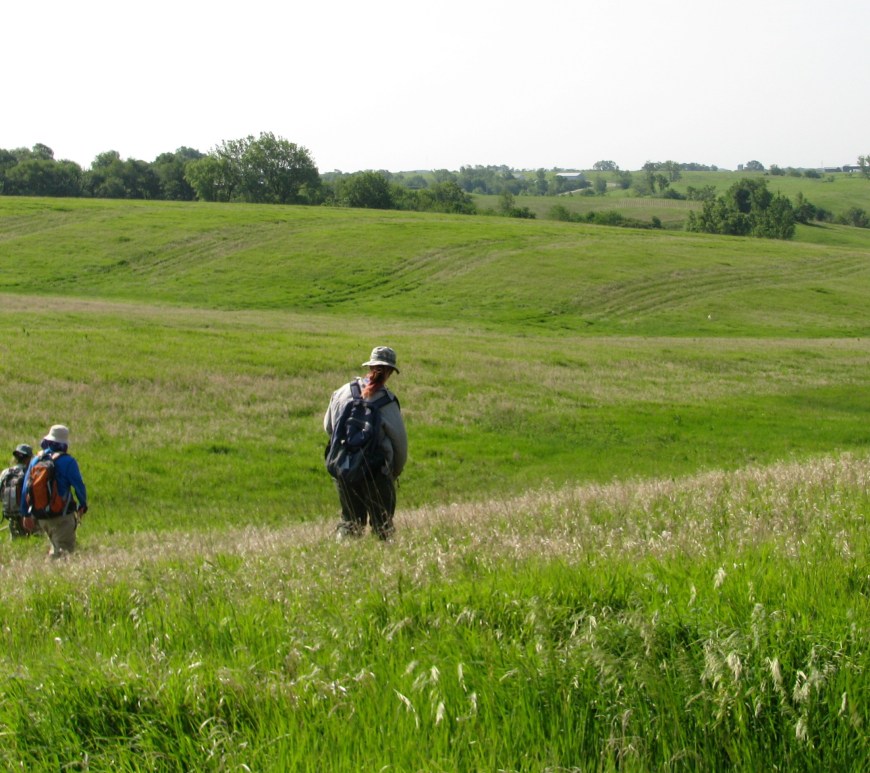
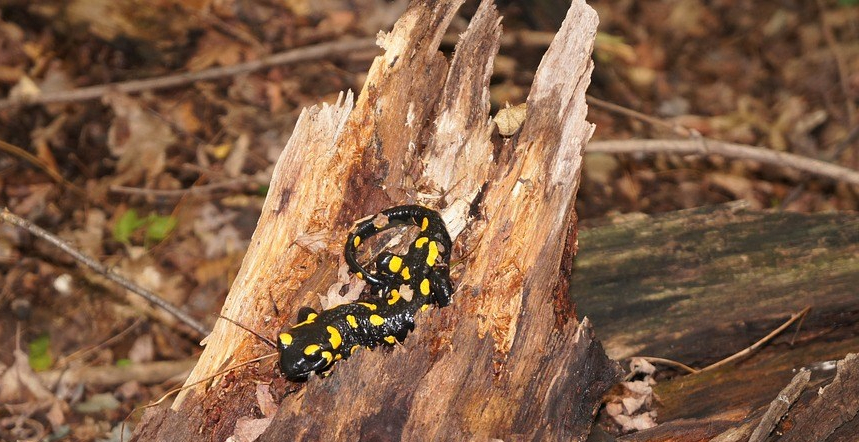
Salamander bucket brigades represent grassroots volunteer efforts to reduce road mortality of amphibians. Simulations by Sean Sterrett and colleagues found that efforts to move outbound metamorphs are more influential than inbound adults. Find out more about their citizen science efforts. As the last signs of winter diminish; air temperatures rise, icy cover on ponds melts and spring rains begin to warm soils, amphibians emerge from forests … Continue reading Volunteering time matters for improving amphibian conservation

BES journal blogs round up: February 2019

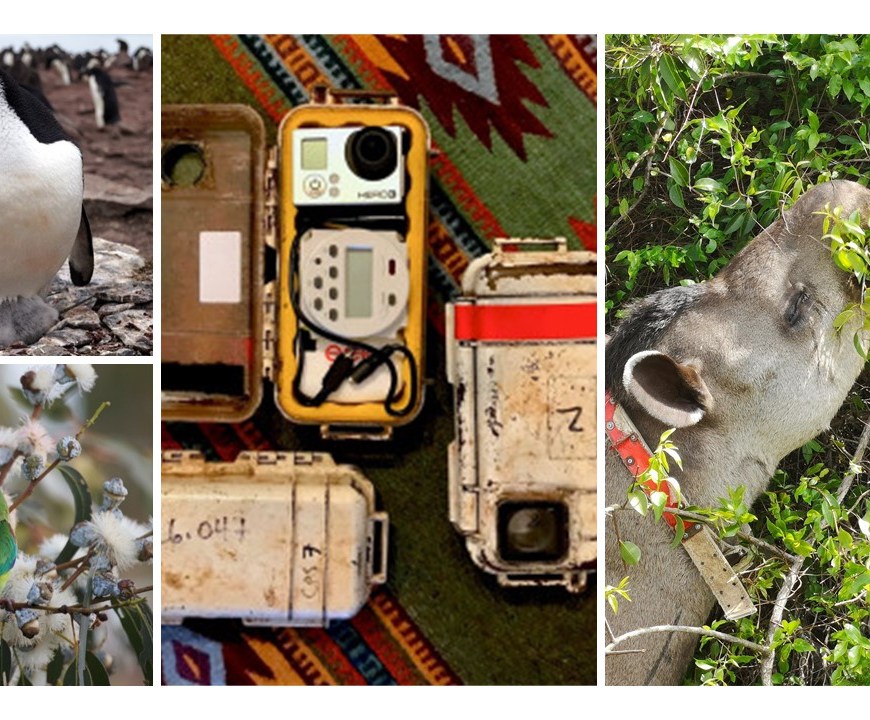
February was another busy month across the British Ecological Society blogs. We’ve seen the launch of Special Features on ecological succession and advances in modelling demographic processes, as well as a cross-journal series on rewilding, a look at the physics behind predator and prey size ratios and an exploration of how climate change is affecting penguin interactions. Read on for more highlights. Functional Ecologists – … Continue reading BES journal blogs round up: February 2019

On the horizon: Plastic alternatives – the ecological impact is not always clear

Plastic and plastic pollution have been receiving a lot of attention in the media of late. But, as we explore alternative materials, how do we know what their long-term ecological impacts will be? Becky LeAnstey asks this question in our latest ‘On the horizon’ post.  A world without plastic is difficult to imagine, despite it having only been around for just over a century. Cheap manufacturing costs combined … Continue reading On the horizon: Plastic alternatives – the ecological impact is not always clear

Balance for Better: more initiatives and action plans

We’ve had a great response to our series celebrating initiatives that support #BalanceforBetter and gender equality. Here are some additional projects our Editorial Board are keen for you to know about. Pride Lion Conservation Alliance Amy Dickman I am a founding member of the Pride Lion Conservation Alliance which is a group of six leading women who run effective, grassroots lion conservation projects. We formed … Continue reading Balance for Better: more initiatives and action plans

Balance for Better: Project Biodiversify

As part of International Women’s Day’s #BalanceforBetter campaign, we’re sharing a series of initiatives that promote gender balance in science and academia. Now Dr. Marjorie Weber and Associate Editor, Lars Brudvig share the online repository of teaching materials, Project Biodiversify. Marjorie: Project Biodiversify is an online repository of teaching materials and methods aimed at increasing the diversity of biologists highlighted in lectures, humanizing biologists and … Continue reading Balance for Better: Project Biodiversify

Balance for Better: DiversifyEEB

To celebrate the 2019 theme for International Women’s Day, #BalanceforBetter, we invited our Editorial Board to nominate and discuss the initiatives they feel support gender balance in science and academia. Kicking things off, several of our editors drew our attention to the directory, DiversifyEEB, which aims to highlight ‘ecologists and evolutionary biologists who are women and/or underrepresented minorities’. Journal Associate Editor, Cate McInnis-Ng and Senior … Continue reading Balance for Better: DiversifyEEB

U.S. policy-based management improves grassland bird nest survival – although finer-scale habitat has superior predictive ability

In a recent study, Justin Shew and colleagues found nest survival improved with policy-based management and establishing native grasses but conclude finer-scale details often have superior predictive ability from a multi-scale perspective. Read more about their findings here. A video summary of their work is also available. Grassland and farmland bird populations have been declining around the world and these declines are primarily attributed to … Continue reading U.S. policy-based management improves grassland bird nest survival – although finer-scale habitat has superior predictive ability

Editor’s Choice 56:3 – Evaluating syndromic surveillance of wildlife disease outbreaks

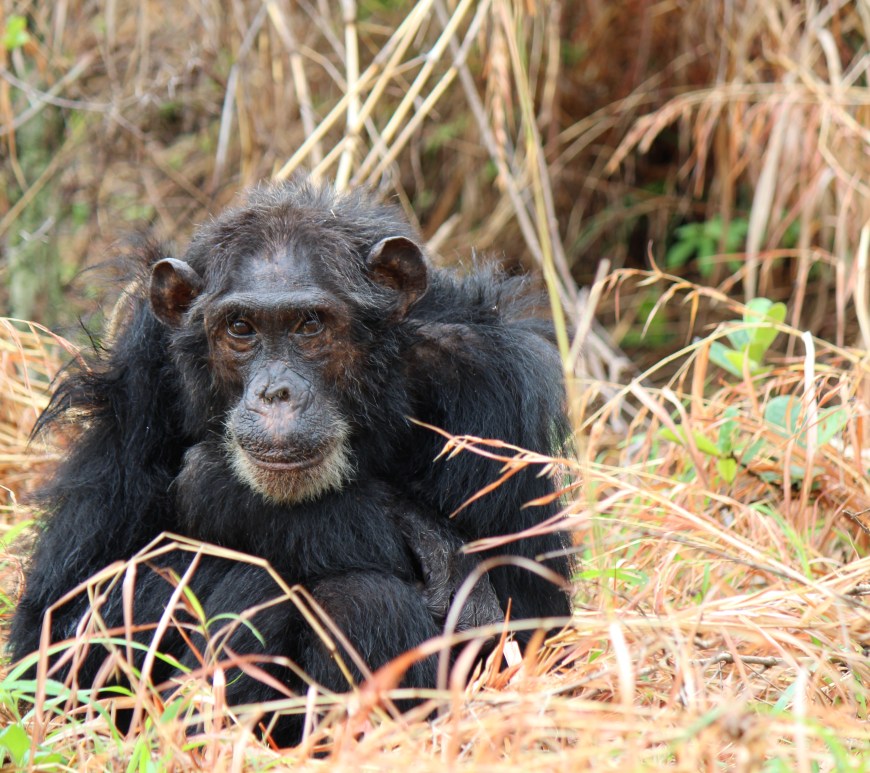
For issue 56:3’s Editor’s Choice, Associate Editor Silke Bauer explains why Wolf et al.’s model for syndromic surveillance presents an important first step in supporting park managers to better understand and manage wildlife diseases. The selected Editor’s Choice article is Optimizing syndromic health surveillance in free-ranging great apes: The case of Gombe National Park by Tiffany M. Wolf et al. The health status of wildlife … Continue reading Editor’s Choice 56:3 – Evaluating syndromic surveillance of wildlife disease outbreaks

Rewilding in Britain: a case study

Over the past few weeks, The Applied Ecologist’s Blog and Relational Thinking have been exploring the hot topic of rewilding from a number of different interdisciplinary and management angles.  Now Sophie Wynne-Jones and Chris Sandom turn their focus to the UK as a, perhaps unexpected, example of where rewilding has grown. If you ask someone in Britain whether or not they have heard of rewilding, … Continue reading Rewilding in Britain: a case study