Finding evidence for land restoration strategies

Restoration has never been more important, with almost a third of the world’s land surface degraded. But what exactly is restoration? And how do we know if it works? Madelon Lohbeck continues our Special Feature series on Functional traits in agroecology. Read the full article, Trait-based approaches for guiding the restoration of degraded agricultural landscapes in East Africa. More than 1.5 billion of the world’s poorest … Continue reading Finding evidence for land restoration strategies

Leveraging functional diversity in farm fields for sustainability

The latest issue of Journal of Applied Ecology includes a Special Feature, Functional traits in agroecology. To accompany the feature, we’re introducing a series of blog posts from the authors themselves. The first of these comes from Jennifer Blesh and discusses her article, Functional traits in cover crop mixtures: Biological nitrogen fixation and multifunctionality. Global climate, energy, and water crises pose immense challenges for agricultural systems. … Continue reading Leveraging functional diversity in farm fields for sustainability

Issue 55:1

To start 2018, we’ve compiled some of the highlights for our first issue of the year. As well as a Special Feature on Functional traits in agroecology, issue 55:1 includes topics such as conservation, invasives and agricultural landscapes. Here we take a look at some of the author and Editor comments on articles in this issue: Special Feature: Functional traits in agroecology Authors from the … Continue reading Issue 55:1

Bears on the move: effects of human development and climate change on hibernation in a large carnivore

How is climate change affecting both black bear hibernation and our interactions with the species? Associate Editor, Claudia Bieber comments on the recent article, Human development and climate affect hibernation in a large carnivore with implications for human–carnivore conflicts by Heather Johnson et al. As we were enduring extremely high summer temperatures in Vienna, it was indeed refreshing to find a manuscript dealing with hibernation in … Continue reading Bears on the move: effects of human development and climate change on hibernation in a large carnivore

Editor’s Choice 55:1 – Integrating local knowledge and ecological research

The Editor’s Choice for issue 55:1 is written by Associate Editor, Paul Kardol. The article chosen is Integrating local knowledge and research to refine the management of an invasive non-native grass in critically endangered grassy woodlands by Firn et al. Elucidating patterns of species invasions and the underlying mechanisms are key challenges for present-day ecologists. They are also of utmost importance in developing effective management strategies. … Continue reading Editor’s Choice 55:1 – Integrating local knowledge and ecological research

Managing non-native species and building a risk assessment checklist

Helen Roy discusses her recent Policy Direction, Developing a framework of minimum standards for the risk assessment of alien species and the challenges of producing a 14-step checklist for quality assurance in invasive species risk assessment. The dramatic rise in numbers of non-native species worldwide is increasingly recognised as problematic. While some non-native species have minimal effects on biodiversity*, and a few may be beneficial, about … Continue reading Managing non-native species and building a risk assessment checklist

Is environmental legislation conserving tropical stream faunas?

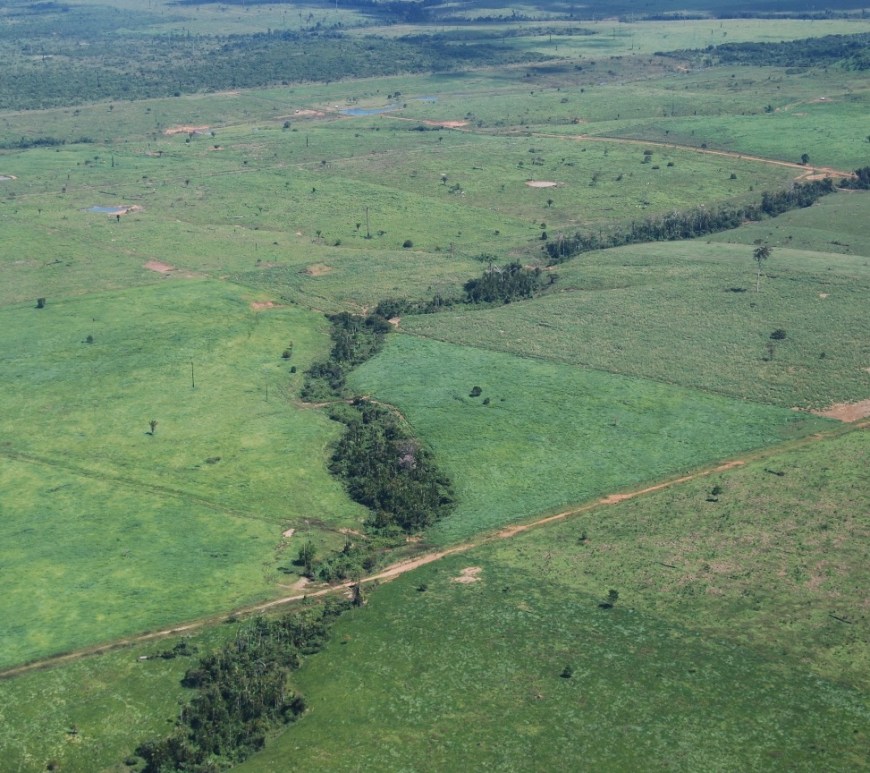
Looking beyond the trees in tropical forest landscapes, Cecília Leal comments on recent article, Is environmental legislation conserving tropical stream faunas? A large-scale assessment of local, riparian and catchment-scale influences on Amazonian fish. What comes to your mind when you think about the Amazon River Basin? Large rivers, giant fish, impacts from big hydroelectric projects? Our new article in Journal of Applied Ecology calls attention to … Continue reading Is environmental legislation conserving tropical stream faunas?

When ecosystems take with one hand and give with the other

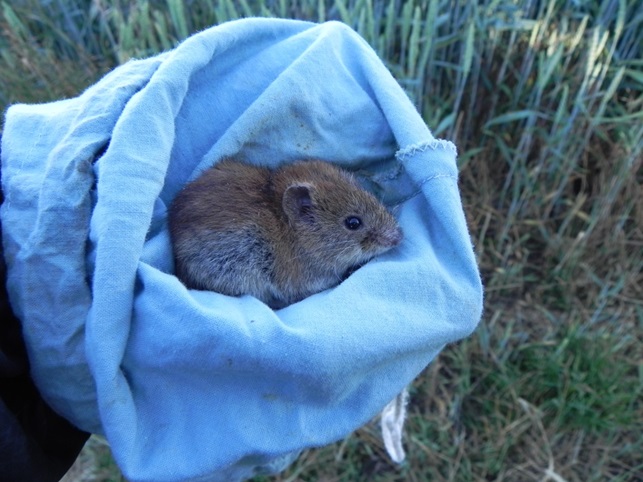
Assessing the costs and benefits small rodents present to farmers, Associate Editor, Jonathan Rhodes comments on the recent article by Fischer et al. Ecosystem services and disservices provided by small rodents in arable fields: Effects of local and landscape management. We all know that ecosystems provide a wealth of benefits to humans and there is now a whole rapidly growing discipline in this area focused on … Continue reading When ecosystems take with one hand and give with the other

Seals avoid tidal turbine sounds

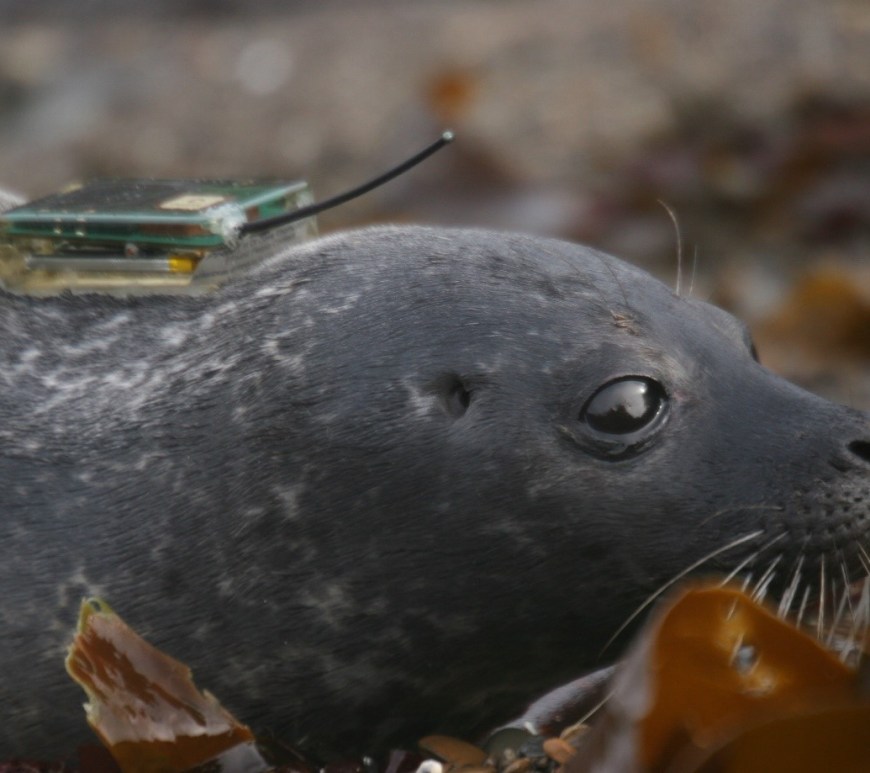
What do tidal turbines mean for our marine mammals? Gordon Hastie comments on recent article, Harbour seals avoid tidal turbine noise: Implications for collision risk, published in Journal of Applied Ecology. Does reliable tidal energy come at an environmental cost? Renewable energy is rapidly gaining momentum in an effort to cut carbon emissions and reduce the effects of climate change.  Although wind and solar are … Continue reading Seals avoid tidal turbine sounds