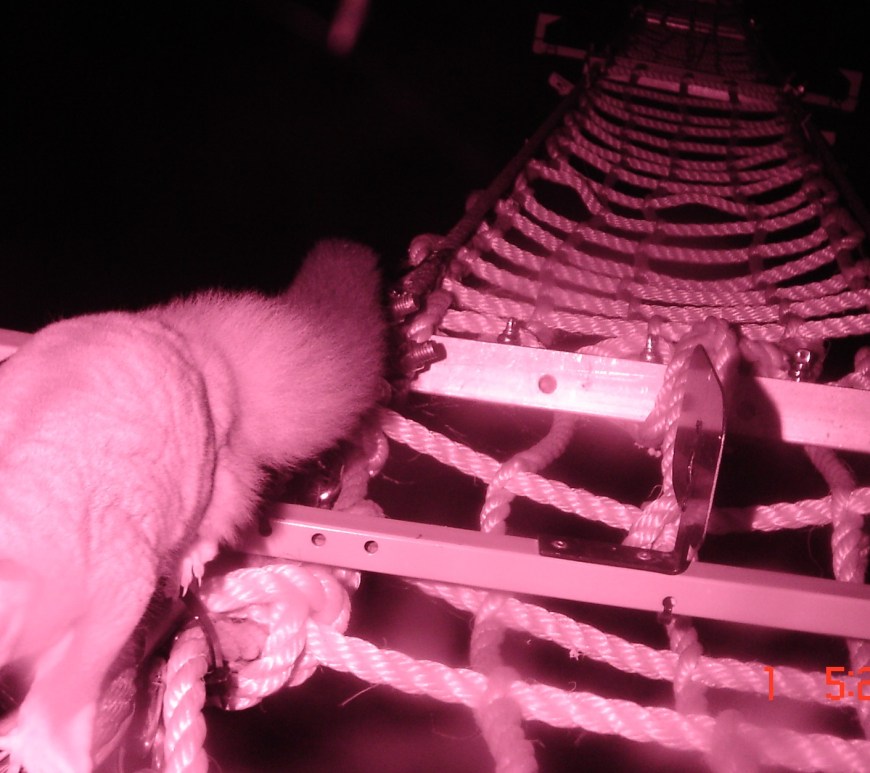
How did the squirrel glider’s genes cross the road? Wildlife crossing structures are no joke

Punchlines aside, in this blog Kylie Soanes shares insights from her recent article, Evaluating the success of wildlife crossing structures using genetic approaches and an experimental design: Lessons from a gliding mammal. Wildlife crossing structures are a common answer to the age-old question: ‘How did the animal cross the road?’ Tunnels and bridges for wildlife are being built and used by animals all over the world, … Continue reading How did the squirrel glider’s genes cross the road? Wildlife crossing structures are no joke

Forest loss impacts fish diversity in the Amazon floodplain

Today’s post discusses the wider impacts of forest loss and comes from the team behind the recent article, Relationships between forest cover and fish diversity in the Amazon River floodplain. In the Amazon and most other major tropical regions, large forested areas are being cleared for development of agriculture, hydropower and human settlements. Floodplain forests provide key habitats and food resources for fish, including several … Continue reading Forest loss impacts fish diversity in the Amazon floodplain

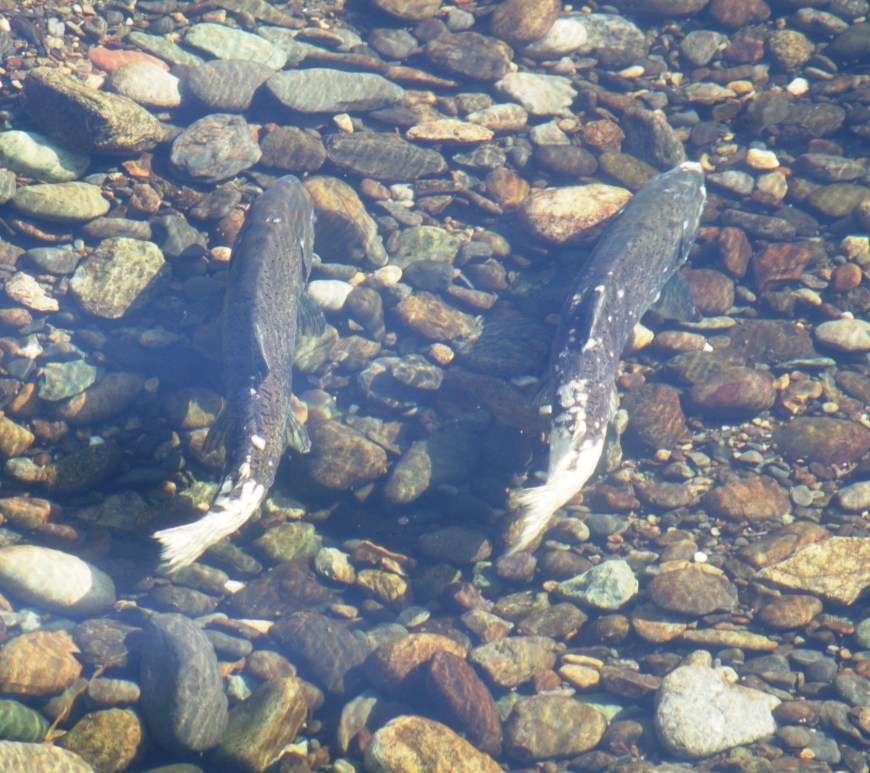
Tracking restoration of population diversity via the portfolio effect

In this week’s blog, Associate Editor, Andre Punt comments on the recent paper by Yamane et al. Tracking restoration of population diversity via the portfolio effect. Many fisheries are managed to avoid populations dropping below threshold levels, and closing them to harvest when this happens. The implications of closures can be substantial for those who gain commercial or recreational benefits from harvest, as well as … Continue reading Tracking restoration of population diversity via the portfolio effect

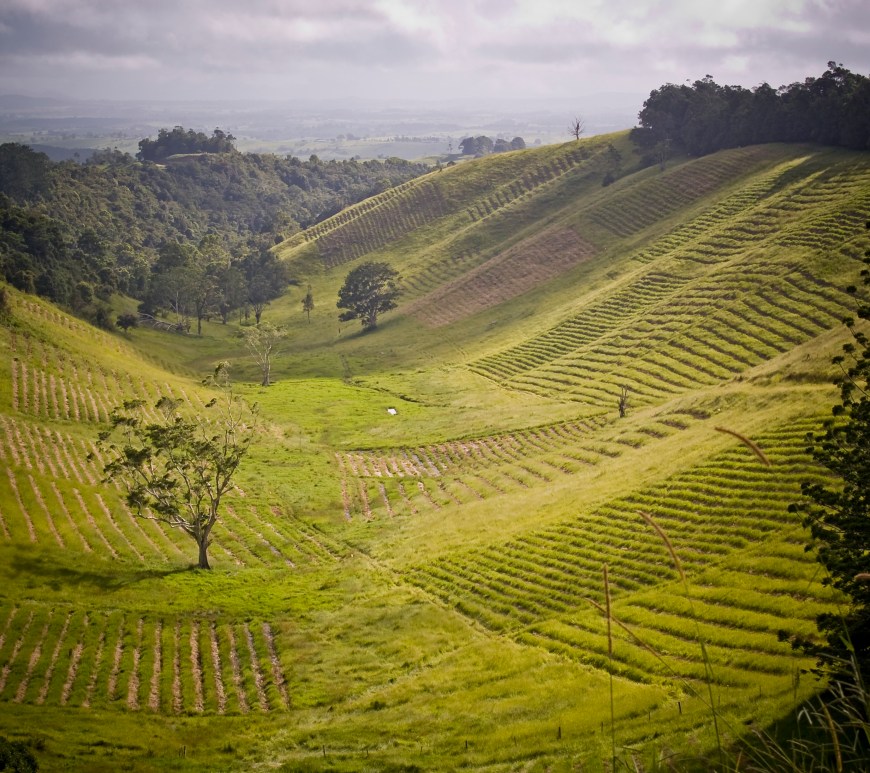
Putting ecology theory to work: trends and opportunities in ecological restoration

Following her recently published Review, Links between community ecology theory and ecological restoration are on the rise, author Claire E. Wainright discusses taking a global perspective on restoration ecology. Community ecology and restoration ecology are often considered complementary fields. Ecologists recognize that the science of ecology provides solid conceptual foundations on which to construct hypothesis-driven restoration research. By extension, restoration offers unique opportunities to empirically … Continue reading Putting ecology theory to work: trends and opportunities in ecological restoration

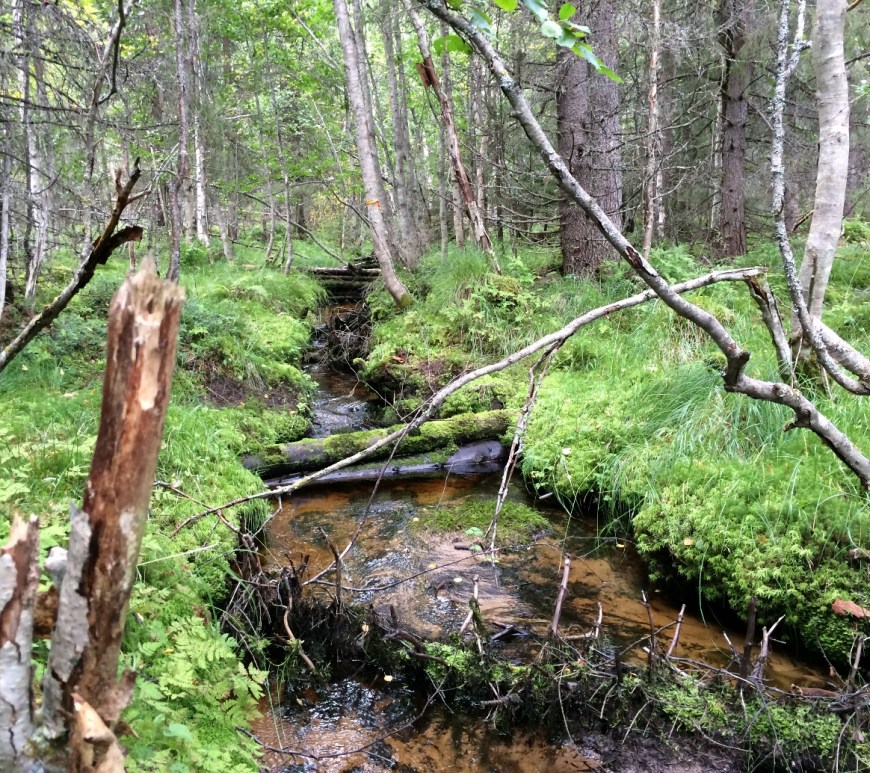
Looking beyond boulders and logs in boreal stream restoration

Our new latest issue features the article, Differential responses by stream and riparian biodiversity to in-stream restoration of forestry-impacted streams by Turunen and colleagues. Here, Associate Editor, David Moreno Mateos shares his views on the challenges of stream restoration. Stream restoration is just not possible today. At least, if your plan is to just drop a bunch of rocks or logs into the creek. Turunen … Continue reading Looking beyond boulders and logs in boreal stream restoration

Putting belowground biota in the Spotlight

The latest issue of Journal of Applied Ecology features as Spotlight on Soil Biota. Here, Martín A. Nuñez (Senior Editor for the journal) and Nahuel Policelli discuss the merits of these papers, specially chosen and grouped together by our Editors. ‘Managing soil health’, ‘considering hidden herbivores’, ‘restoring mycorrhizal fungal diversity’, are just some of the examples that highlight an increase interest on recognizing belowground aspects … Continue reading Putting belowground biota in the Spotlight

Peer Review Week: Supporting our Editors and Reviewers

As part of Peer Review Week 2017, and the topic of transparency in peer review, we take a look at some of the ways in which the British Ecological Society publications team aims to make the peer review process a little clearer for our Editors and Reviewers. Supporting Editors Joining an editorial board for the first time can mean seeing the peer review process from … Continue reading Peer Review Week: Supporting our Editors and Reviewers

Editor’s Choice 54:5 – Quantifying the collateral damage of neonicotinoid insecticides on bees

Issue 54:5’s Editor’s Choice is written by Sarah Diamond. The article chosen is Planting of neonicotinoid-treated maize poses risks for honey bees and other non-target organisms over a wide area without consistent crop yield benefit by C. Krupke et al. As humans modify natural environments, we are witnessing the steady accumulation of unintended, cascading effects across biological communities. Biocontrol agents have escaped their intended targets … Continue reading Editor’s Choice 54:5 – Quantifying the collateral damage of neonicotinoid insecticides on bees

Video: What is the future of peer review in ecology?

It’s Peer Review Week and many are thinking about the course peer review may take in the future. What better time to watch the video of our panel discussion on the future of peer review in ecology from the British Ecological Society Annual Meeting, 2016? This post was original shared by Alice Plane on the BES website. Peer review is critical to the research process but … Continue reading Video: What is the future of peer review in ecology?

If you build it, will it work?

Following the recent article, Evaluating the success of wildlife crossing structures using genetic approaches and an experimental design: Lessons from a gliding mammal by Kylie Soanes et al., Associate Editor, Yolanda Wiersma explores the world of wildlife crossing structures. Large-scale restoration projects represent human optimism in the face of anthropogenic change. In response to the negative effects of human activities on habitat loss and fragmentation, … Continue reading If you build it, will it work?