Wide-scale rangeland condition monitoring: Measurement of increased vegetation cover following stock removal and conservation management

Angus Retallack explains how, using remote sensing data over a 22-year observation period, vegetation recovery after the removal of livestock and the introduction of conservation-focused management can be assessed. Arid and semi-arid rangelands cover close to 50% of the Earth’s land surface and are relied upon by a diverse range of stakeholders including Indigenous people, pastoralists and environmental conservationists. Sustainable use and conservation of these … Continue reading Wide-scale rangeland condition monitoring: Measurement of increased vegetation cover following stock removal and conservation management
Climate challenges in savannas: How herbivore communities chart the course

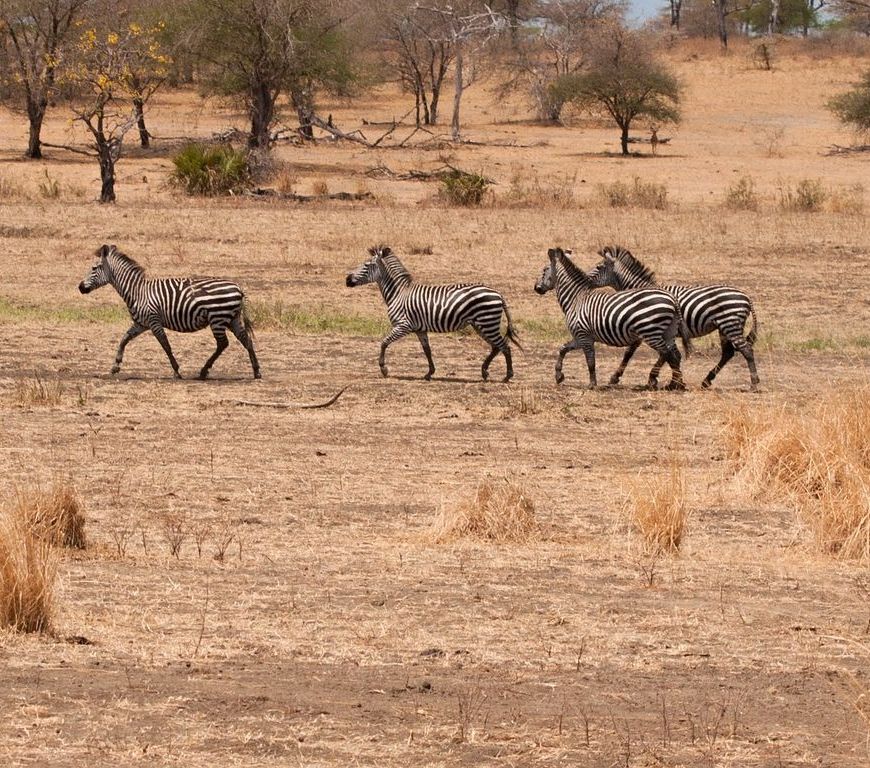
Dr. Katja Irob summarises their latest study, conducted alongside colleagues, which analysed the impacts of climate change and rangeland management on degradation in Savanna ecosystems of southern Africa. Findings suggest that, in the face of climate uncertainty, farmers’ most effective strategy for securing their livelihoods and ecosystem stability is to integrate browsers and apply management of mixed herbivore communities.  Savannas as hot spots of environmental … Continue reading Climate challenges in savannas: How herbivore communities chart the course

Research stories: Building partners in high altitudes through participatory action research

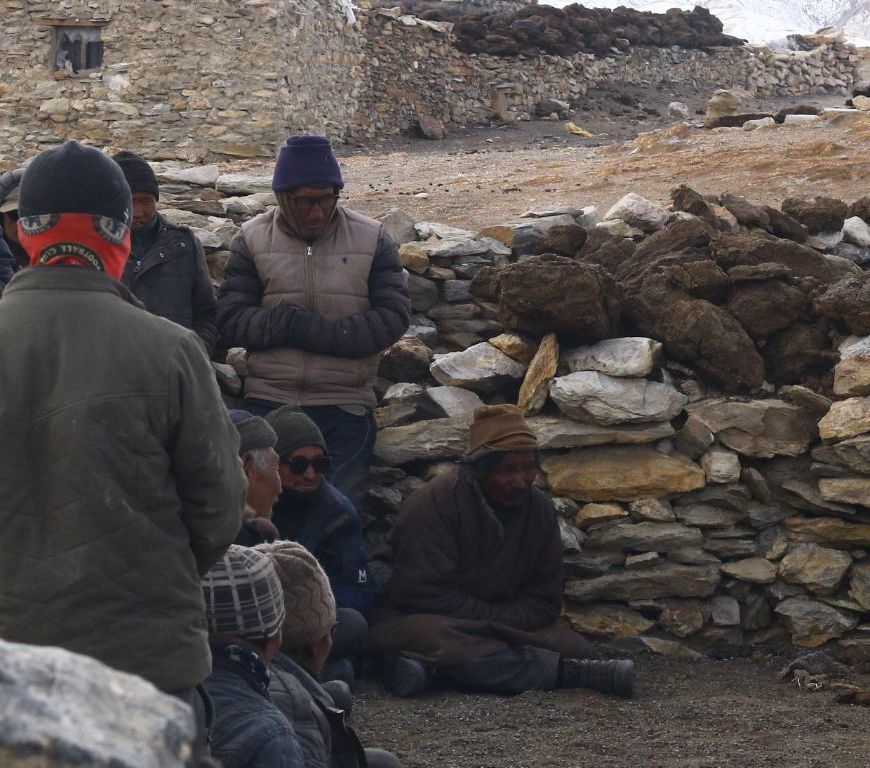
Shortlisted for the Chico Mendes Prize 2023 Lead author Munib Khanyari takes us through his team’s journey through the high altitudes of Changthang in trans-Himalayan India to co-design conservation interventions that benefit the communities who live alongside the wildlife. A video presentation about the study can also be found here. “We have solutions, but often we don’t have the ability to operationalise it”, whispered the Acho … Continue reading Research stories: Building partners in high altitudes through participatory action research

Phylogenetic distance controls plant growth during early restoration of a semi-arid riparian forest

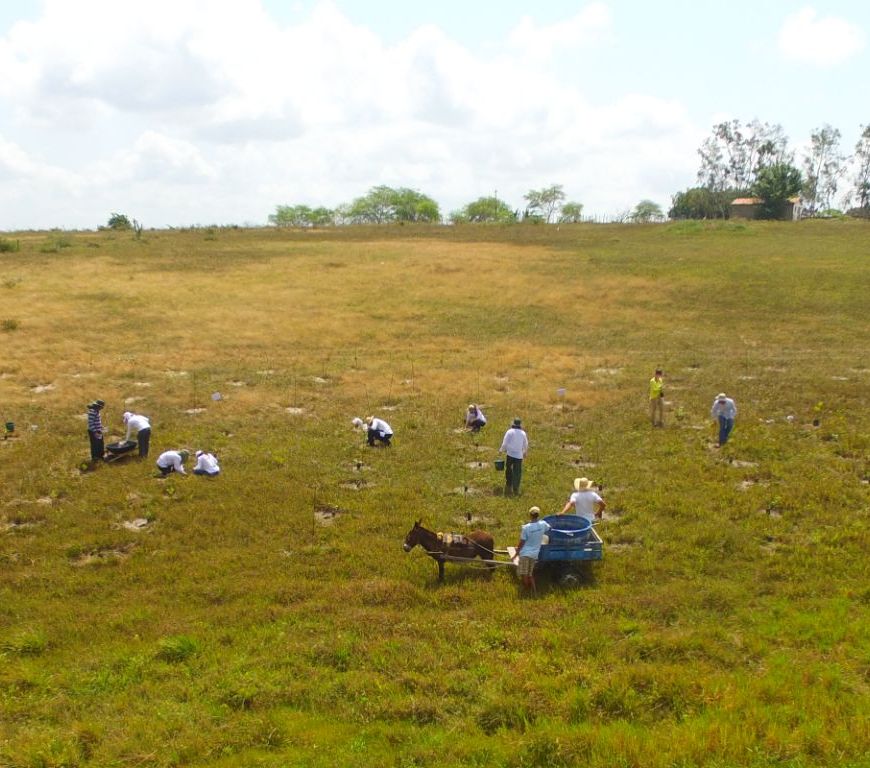
Leonardo H. Teixeira and colleagues share their latest research investigating the influence of species richness and phylogenetic relatedness during early restoration of a riparian forest in north-eastern Brazil. Restoration projects offer the opportunity to locally assess the effects of plant diversity on the assembly and functioning of restored ecosystems. In semi-arid areas of north-eastern Brazil, the extremely harsh environmental conditions are limiting plant establishment from … Continue reading Phylogenetic distance controls plant growth during early restoration of a semi-arid riparian forest

Long-term decline in prey increases predator competition

Bringing together data from a 50-year period to better-understand predator-prey interactions. Associate Editor, Matt Hayward discusses the recently published article, Changes in African large carnivore diets over the past half‐century reveal the loss of large prey by Creel et al. Much of our understanding of ecology comes from systems that are assumed to represent the way life has interacted for millennia. Yet this assumption is … Continue reading Long-term decline in prey increases predator competition

Understanding the distribution of a terrestrial mammal community

Associate Editor Matt Hayward discussed the importance of the recent paper from Lindsey Rich and colleagues ‘Using camera trapping and hierarchical occupancy modelling to evaluate the spatial ecology of an African mammal community’ with his PhD student, Lilian Sales (supervised by Rafael Loyola of the Conservation Biogeography Lab at the Federal University of Goias, Brazil) and below are her views on this paper. Monitoring wildlife … Continue reading Understanding the distribution of a terrestrial mammal community

Managing uncertainties associated with global declines of apex predators

Over three days we have posted a collection of blog posts on a topical Forum discussion published in Issue 2 about the methods used in wildlife conservation and in particular the role of dingoes in conservation. Following acceptance of a peer-reviewed Forum critique of another article in the Journal it is the Journal’s process to invite the original authors to write a peer-reviewed response to … Continue reading Managing uncertainties associated with global declines of apex predators