Spooky ecology!

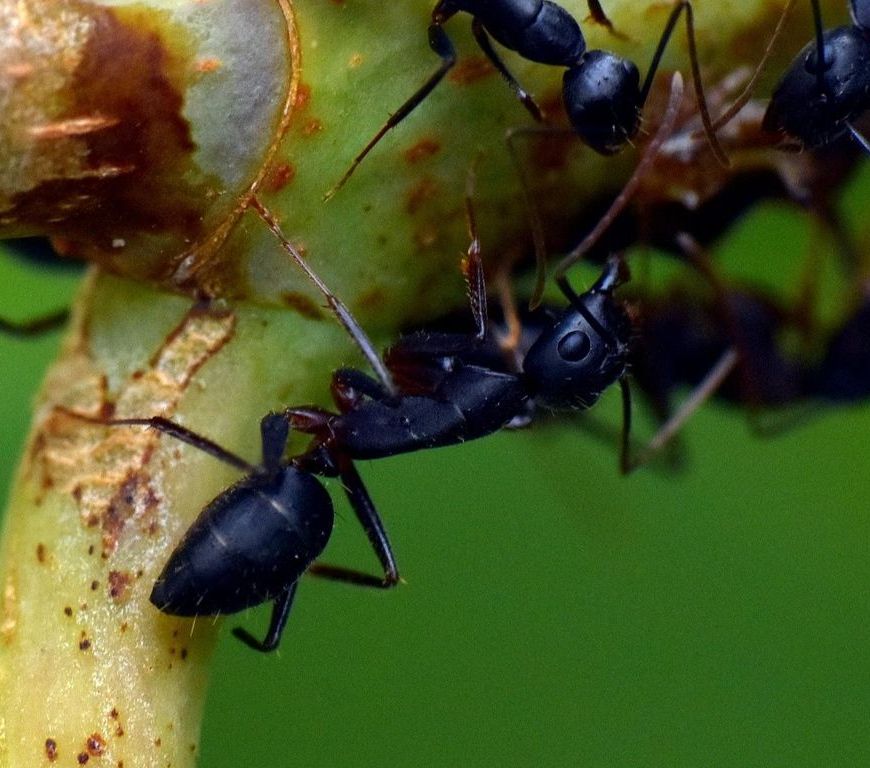
To help usher in Halloween, let’s take a look at some recent articles from Journal of Applied Ecology that explore different spooky animals and their environments! Bats are probably the first creature to come to mind when Halloween is mentioned, but are they top of the list when someone mentions insectivores? A recent paper by Hochrien et al 2025, explores the impact that pesticides have … Continue reading Spooky ecology!

Field Diaries: Using remote sensing to help restore landscapes

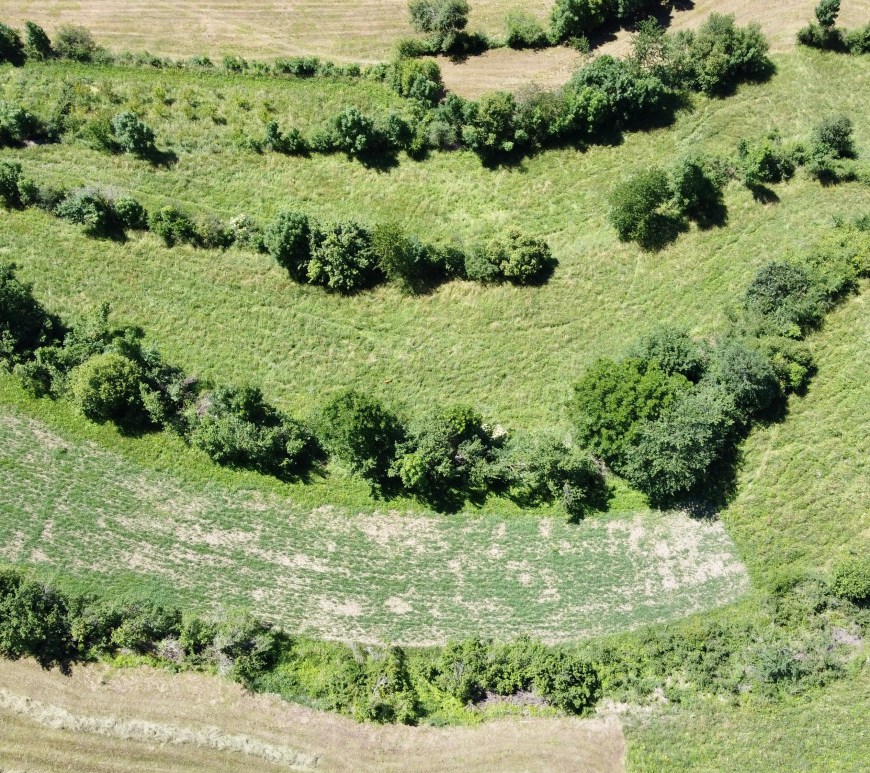
In our ‘Field Diaries’ series, The Applied Ecologist is sharing stories from a range of different fieldwork experiences. In this post Guilherme Castro shares his research on using remote sensing to better understand how to restore landscapes. About the Author Guilherme Castro, he/him Affiliation: Royal Holloway University of London & Royal Botanic Gardens Kew Ecology interests: Landscapes, restoration, remote sensing Overview of fieldwork I am a PhD student … Continue reading Field Diaries: Using remote sensing to help restore landscapes

Restoring Forests, Engaging Landowners, Advancing Science – All in One Place

What would it look like to combine scientific research, public education, and ecosystem restoration all in one place? By Anna Funk, Holden Forests & Gardens Less than fifteen kilometres from Lake Erie’s southern shore, researchers, land managers, and educators have teamed up to create a forest that is simultaneously a restoration project, living research laboratory, and forestry demonstration site. This 27-hectare forest is the Working … Continue reading Restoring Forests, Engaging Landowners, Advancing Science – All in One Place

Winners announced for ECR Reviewer Prize: Journal of Applied Ecology

Following the successful launch of our Early Career Researcher Reviewer Prize last year, we are thrilled to introduce you to this year’s winners! Read on to find out about their research interests and plans for using the prize money. We’ve also caught up with last year’s winners, too! In a nutshell The prize was created to provide ECRs with more opportunities for review experience, with … Continue reading Winners announced for ECR Reviewer Prize: Journal of Applied Ecology

Associate Editor Mentoring: 2026 applications now open!

Are you less than five years post-PhD, live in or are from the Global South, and looking to gain hands-on experience with an editorial board? Why not apply for the 2026 mentoring scheme with Journal of Applied Ecology! What does it involve? Since 2015, Journal of Applied Ecology has welcomed a small group of mentees with minimum editorial experience each year. This voluntary two-year position aims to develop … Continue reading Associate Editor Mentoring: 2026 applications now open!

Could the Freshwater Network help to solve the freshwater biodiversity crisis?

Three authors of a new paper from Freshwater Habitats Trust explain how a new approach to managing the whole freshwater environment – the Freshwater Network – could help us reverse the decline in freshwater biodiversity across England, Wales and beyond. What is the Freshwater Network?The Freshwater Network is: 1. A conceptual framework which recognises the interconnected and interdependent nature of freshwater ecosystems across habitat types. … Continue reading Could the Freshwater Network help to solve the freshwater biodiversity crisis?

The launch of Plain Language Summaries: Journal of Applied Ecology

Following author feedback collected as part of our recent Editorial on how we can make research published in Journal of Applied Ecology more accessible, we are delighted to announce the launch of Plain Language Summaries. What are they? Plain Language Summaries, also referred to as lay summaries, are simple short-form overviews of published academic articles. Their main aim is to ensure that research is made … Continue reading The launch of Plain Language Summaries: Journal of Applied Ecology

Listening to solitary bees to learn about their activity patterns

Susič et al. share their experience studying solitary bee activity at nesting boxes using passive acoustic monitoring and analysing the data using neural networks. There are thousands of species of solitary bees and they play important roles in their ecosystems, the best known being the pollinators of various plants. Several species choose holes in wood to make their nests – they fill each chamber they … Continue reading Listening to solitary bees to learn about their activity patterns

Don’t forget the little guys: improving monitoring efforts for African small carnivores

Small carnivores are ecologically important species and key indicators of environmental change. However, for many of these species, we lack robust information on their conservation status, geographic distribution, and tolerance to anthropogenic threats. In this post, researchers from Nelson Mandela University share their experience with an emerging camera trapping method aimed at improving monitoring efforts for African small carnivores. For a wide array of species, … Continue reading Don’t forget the little guys: improving monitoring efforts for African small carnivores

Overcoming writing and publishing barriers

In this blog post, Martin Nuñez, one of Journal of Applied Ecology’s Senior Editors tells us about the importance of being able to write effectively and how his latest book can help researchers to do just that. Working as an editor for Journal of Applied Ecology has made me think a lot about the barriers researchers face in getting their papers published. There are many … Continue reading Overcoming writing and publishing barriers