Turning camera-trap overload into actionable wildlife monitoring in African rainforests

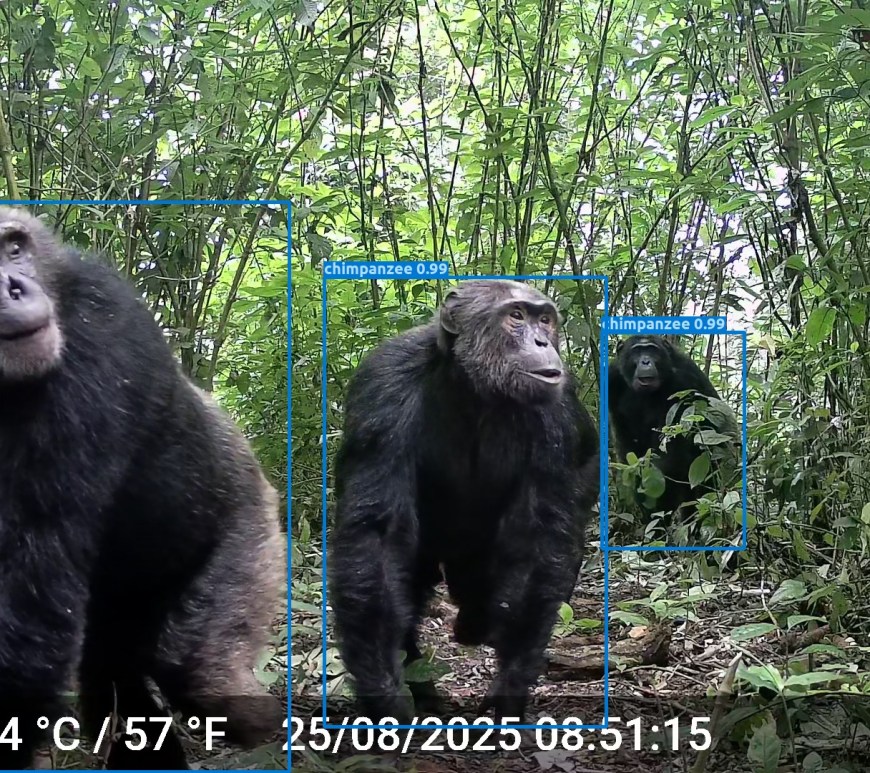
To support adaptive management, Magaldi et al. have developed a deep-learning model to analyse ground-level camera traps in African tropical forests. A familiar problem If you work in wildlife research or protected-area management, you’ll know the feeling: camera traps are brilliant at “being there” 24/7 in dense forest, but they come with a hidden cost—an avalanche of photos and videos that someone has to sort, … Continue reading Turning camera-trap overload into actionable wildlife monitoring in African rainforests

Don’t forget the little guys: improving monitoring efforts for African small carnivores

Small carnivores are ecologically important species and key indicators of environmental change. However, for many of these species, we lack robust information on their conservation status, geographic distribution, and tolerance to anthropogenic threats. In this post, researchers from Nelson Mandela University share their experience with an emerging camera trapping method aimed at improving monitoring efforts for African small carnivores. For a wide array of species, … Continue reading Don’t forget the little guys: improving monitoring efforts for African small carnivores

The story behind the research: “Combining detection dogs and camera traps improves cheetah monitoring”

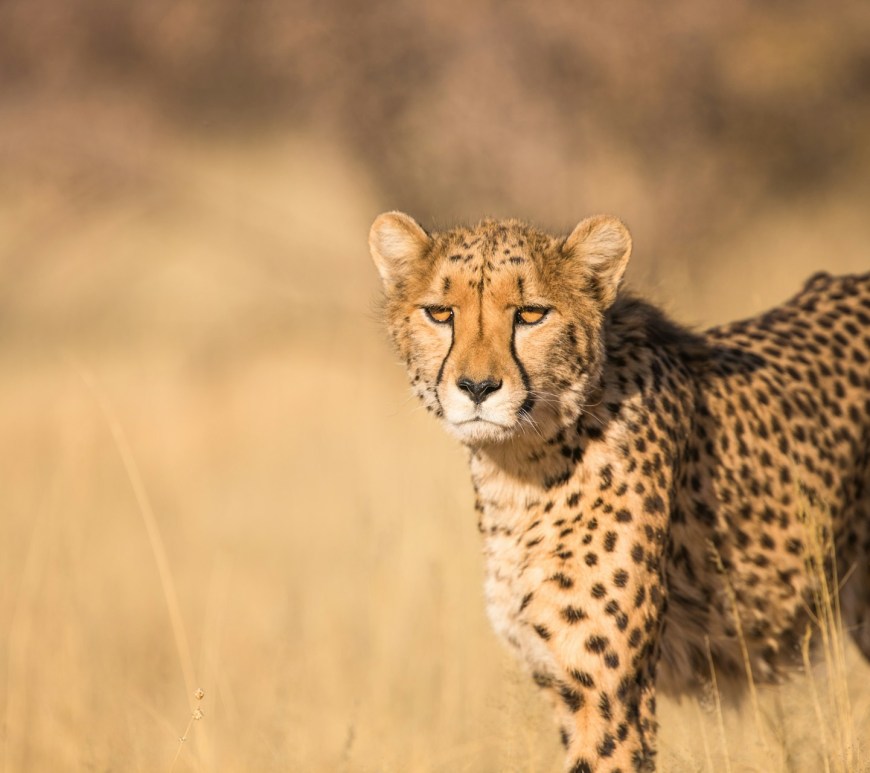
Tim Hofmann and Stijn Verschueren from the Cheetah Conservation Fund in Otjiwarongo, Namibia investigate how to effectively monitor cheetah populations. Cheetahs are Africa’s most endangered big cats, with fewer than 7,100 individuals left in the wild, scattered across less than 9% of their historical range. These estimates are largely based on expert opinions and few well-studied populations. In many parts of the cheetah’s range, we … Continue reading The story behind the research: “Combining detection dogs and camera traps improves cheetah monitoring”

Research into cassava: A promising crop under climate change

Author Dr Amelia Hood describes what their systematic map of cassava farming practices revealed about our knowledge gaps around this important staple crop. Cassava is a potato-like tuber used to produce a wide array of savoury and sweet dishes, either for direct consumption (e.g. tasty chips!) or following processing into flour (e.g. tapioca, farinha, garri). Cassava – also known as mandioca and yuca – is … Continue reading Research into cassava: A promising crop under climate change

Let’s get to know mesocarnivores: Estimating abundance with camera traps

Jamie McKaughan describes his team’s latest research testing the use of distance sampling with camera traps as a way to establish meaningful density estimates of mesocarnivores in South Africa. Frederick Forsyth’s novel, ‘The Day of the Jackal’, is a gripping political thriller that tells the story of a highly skilled assassin tasked with killing the French President. But have you ever wondered why the author … Continue reading Let’s get to know mesocarnivores: Estimating abundance with camera traps

Mthokozisi Moyo: Accidental Ecologist to Seasonality “expert”

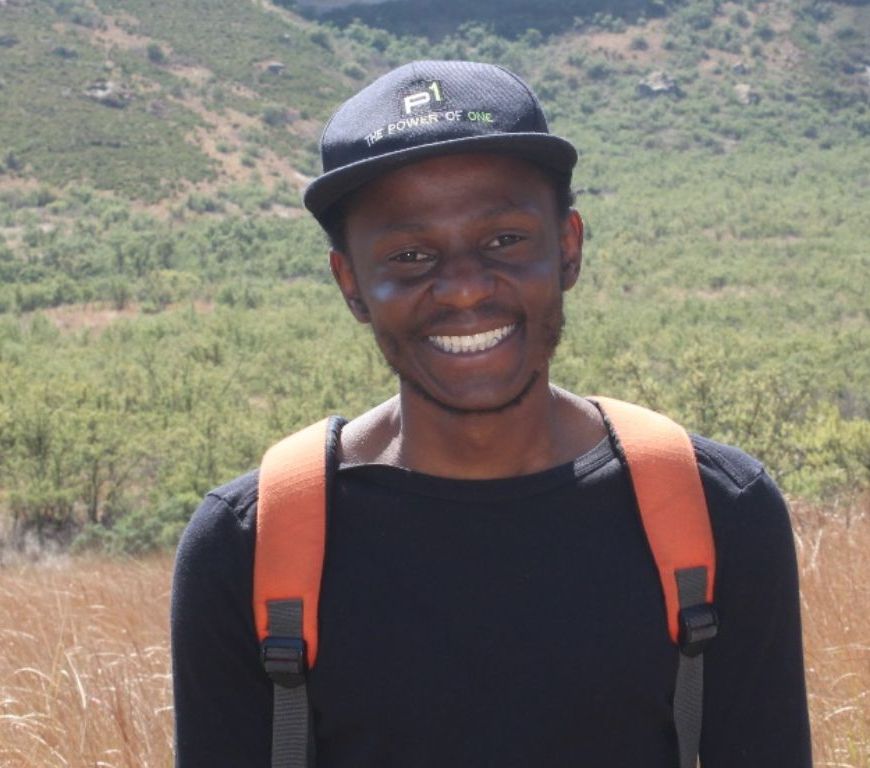
For Black History Month, the British Ecological Society (BES) journals are celebrating the work of Black ecologists from around the world and sharing their stories. The theme for UK Black History Month this year is Time for Change: Action Not Words. Mthokozisi Moyo – at the University of Witwatersrand, South Africa – shares his story below. How did you get into ecology? My name is Mthokozisi Moyo … Continue reading Mthokozisi Moyo: Accidental Ecologist to Seasonality “expert”

Large African herbivore diversity is essential in transformed landscapes for conserving dung beetle diversity

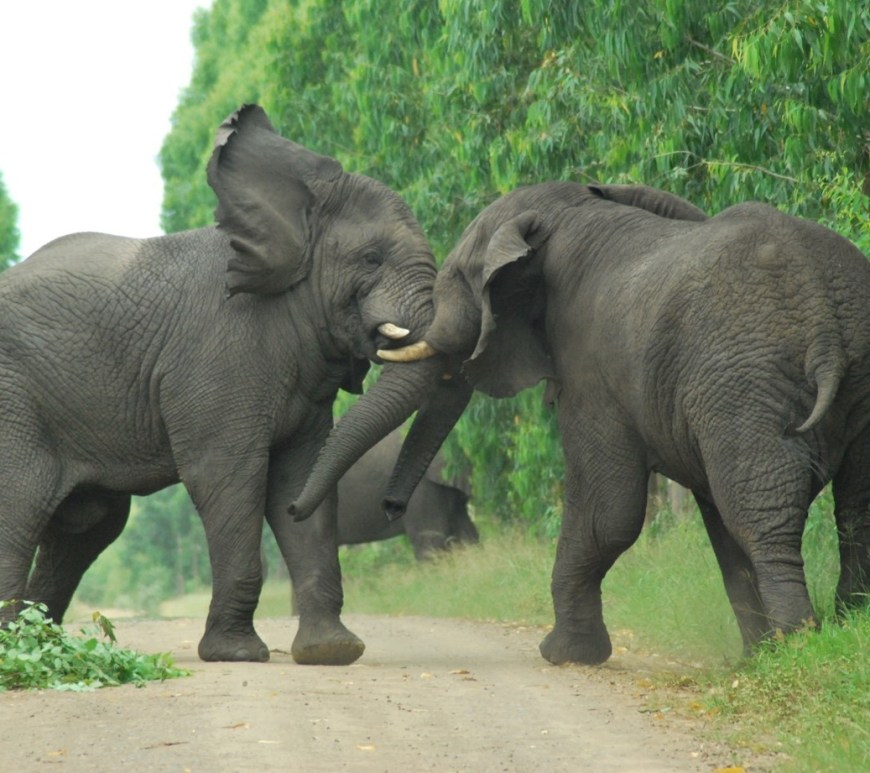
In their new study, Pryke, Roets and Samways discuss how a diverse range of large African herbivore species is essential for the conservation of dung beetles within transformed landscapes, and argue that the maintenance of functional diversity outside protected areas requires the inclusion of large mammals in conservation plans. Dung beetles need the dung of large mammals to feed and reproduce. In doing so, they … Continue reading Large African herbivore diversity is essential in transformed landscapes for conserving dung beetle diversity

Repatriating solitary felids: the case for seeking homes for conflict-borne leopards in southern Africa

Photo © Vasti Botha Translocating large carnivores to reduce human-wildlife conflict have historically failed, but recent improvements in satellite technology have enabled better monitoring and success. In their latest research, Power et al. report on the outcomes of repatriating 16 leopards across a South African province. Leopards need little introduction. These large felids are ubiquitous across Africa and large parts of Asia. However, being so … Continue reading Repatriating solitary felids: the case for seeking homes for conflict-borne leopards in southern Africa

Trembling in the Balance: My life as a Black ecologist

For Black History Month, the British Ecological Society (BES) journals are celebrating the work of Black ecologists from around the world and sharing their stories. Christian Asante, a fifth year doctoral student at Boston College, shares his story below. I was born and raised in a sprawling urban neighbourhood in Ghana. My first awareness of nature as a child was birds flying headlong into my … Continue reading Trembling in the Balance: My life as a Black ecologist

Lionel Yamb: Saving sharks in Cameroon waters

For Black History Month, the British Ecological Society (BES) journals are celebrating the work of Black ecologists from around the world and sharing their stories. Lionel Yamb, who sits on the BES Equality and Diversity Working Group, shares his story below. My name is Lionel Yamb; I’m an early career marine ecologist working in Cameroon with the Institute of Agricultural Research for Development (IRAD). I … Continue reading Lionel Yamb: Saving sharks in Cameroon waters