Ecological diversity metrics can teach us how to feed the world well

For the latest post in our Functional traits in agroecology series, Stephen Wood (The Nature Conservancy, Yale School of Forestry & Environmental Studies) highlights the importance of considering social and human, as well as ecological traits in agricultural systems. The full article, Nutritional functional trait diversity of crops in south-eastern Senegal is a part of a Special Feature in Journal of Applied Ecology. Crop yields have … Continue reading Ecological diversity metrics can teach us how to feed the world well

Finding evidence for land restoration strategies

Restoration has never been more important, with almost a third of the world’s land surface degraded. But what exactly is restoration? And how do we know if it works? Madelon Lohbeck continues our Special Feature series on Functional traits in agroecology. Read the full article, Trait-based approaches for guiding the restoration of degraded agricultural landscapes in East Africa. More than 1.5 billion of the world’s poorest … Continue reading Finding evidence for land restoration strategies

When ecosystems take with one hand and give with the other

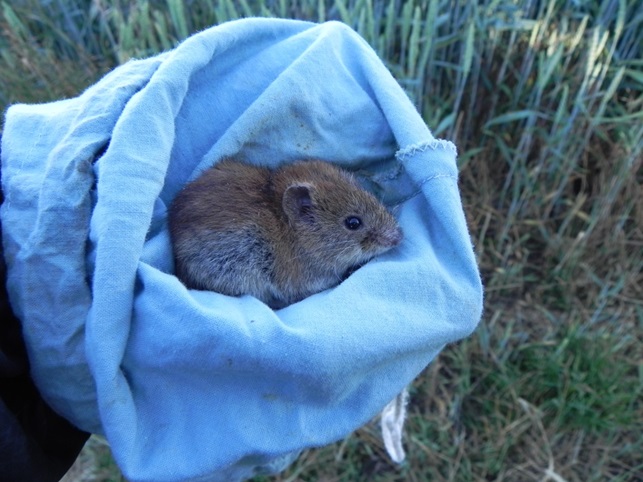
Assessing the costs and benefits small rodents present to farmers, Associate Editor, Jonathan Rhodes comments on the recent article by Fischer et al. Ecosystem services and disservices provided by small rodents in arable fields: Effects of local and landscape management. We all know that ecosystems provide a wealth of benefits to humans and there is now a whole rapidly growing discipline in this area focused on … Continue reading When ecosystems take with one hand and give with the other

Strawberry fields forever – with Spanish translation

In this post, Associate Editor, Cristina Garcia comments on the effects of pesticides on pollinators and the recent article by Horth & Campbell, Supplementing small farms with native mason bees increases strawberry size and growth rate. Cristina has also provided a Spanish translation of this post. Most plant species, including crops, require mutualistic interactions with animals to pollinate their flowers and fulfill their demographic cycle. The … Continue reading Strawberry fields forever – with Spanish translation

Editor’s Choice 54:5 – Quantifying the collateral damage of neonicotinoid insecticides on bees

Issue 54:5’s Editor’s Choice is written by Sarah Diamond. The article chosen is Planting of neonicotinoid-treated maize poses risks for honey bees and other non-target organisms over a wide area without consistent crop yield benefit by C. Krupke et al. As humans modify natural environments, we are witnessing the steady accumulation of unintended, cascading effects across biological communities. Biocontrol agents have escaped their intended targets … Continue reading Editor’s Choice 54:5 – Quantifying the collateral damage of neonicotinoid insecticides on bees

For the love of trees: the benefits of vegetation and paddock management for reptiles in grazing landscapes

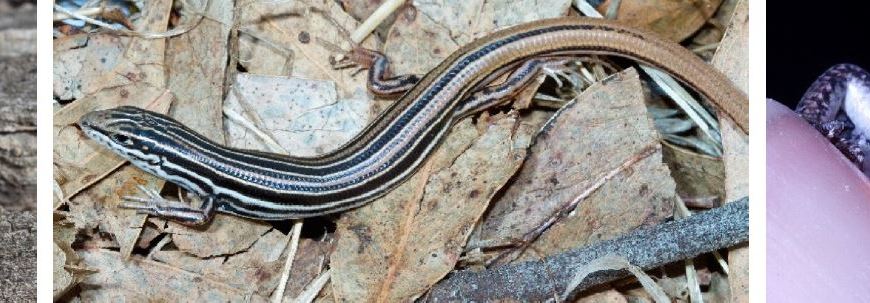
Following her recent paper in the Journal of Applied Ecology, ‘Remnant vegetation, plantings and fences are beneficial for reptiles in agricultural landscapes’, Stephanie Pulsford explores the balancing act of supporting both agriculture and biodiversity conservation. In a recent study of reptiles in grazing landscapes we demonstrated the importance of maintaining and promoting native vegetation within agricultural land for improved biodiversity conservation outcomes. We also showed that … Continue reading For the love of trees: the benefits of vegetation and paddock management for reptiles in grazing landscapes

Testament of cover crops – with Dutch translation

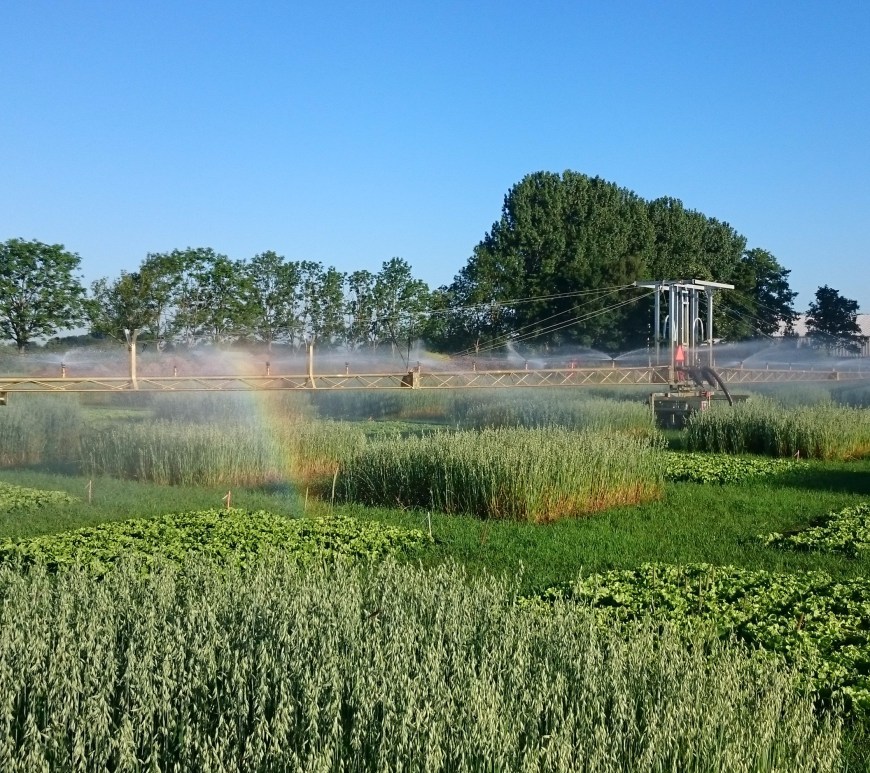
In this post, Janna Barel shares thoughts on the legacies plants leave, the benefits of cover crops and insights from her recent Journal of Applied Ecology paper, Legacy effects of diversity in space and time driven by winter cover crop biomass and nitrogen concentration. Janna has also included a Dutch translation of this post. Journal of Applied Ecology is dedicated to making papers more accessible and … Continue reading Testament of cover crops – with Dutch translation

Wet wetlands restore better

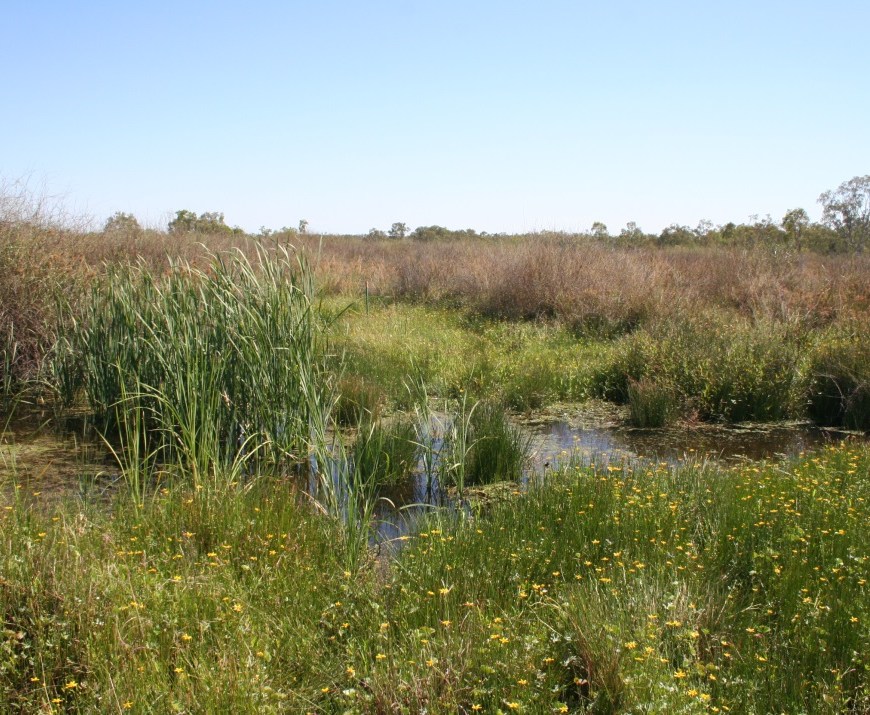
With Plant Conservation Day in mind, Samantha Dawson’s post discusses characteristics of wetland plants and her new paper, Plant traits of propagule banks and standing vegetation reveal flooding alleviates impacts of agriculture on wetland restoration. Many of the world’s wetlands are highly degraded and they are one of the most threatened types of ecosystems. To attempt to halt or reverse this trend, there are lots of … Continue reading Wet wetlands restore better

Editor’s Choice 54:3 – Prescribing burns to increase forage for cattle: are managers ‘biting off more than they can chew’?

Issue 54:3’s Editor’s Choice is written by Associate Editor, Jennifer Firn. The article chosen by the Editors is Fire-induced negative nutritional outcomes for cattle when sharing habitat with native ungulates in an African savanna by Wilfred O. Odadi and colleagues. Ecological science is increasingly being applied to understand species interactions and to identify thresholds of degradation in more traditional agricultural landscapes (Scherr & McNeely 2008). This … Continue reading Editor’s Choice 54:3 – Prescribing burns to increase forage for cattle: are managers ‘biting off more than they can chew’?

Success of sweat bees on hot chillies in traditional slash-and-burn agriculture – with Spanish translation

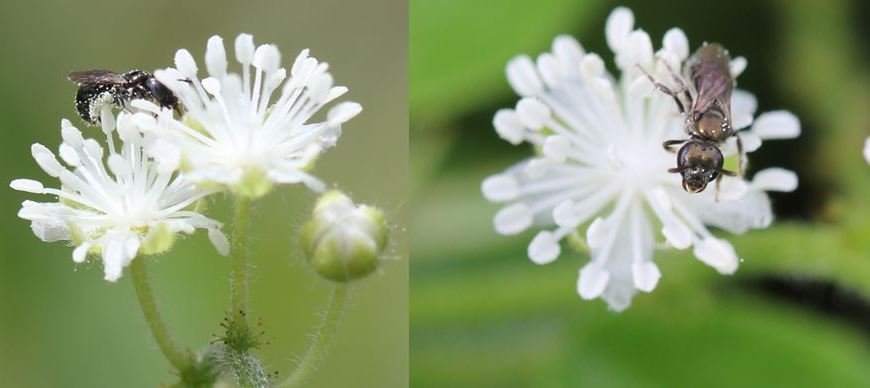
In this post Patricia Landaverde-González discusses her recent paper ‘Sweat bees on hot chillies: provision of pollination services by native bees in traditional slash-and-burn agriculture in the Yucatán Peninsula of tropical Mexico‘ Patricia has also provided a Spanish translation of this post to reach out to Spanish readers interested in this topic. Journal of Applied Ecology is dedicated to making papers more accessible for an … Continue reading Success of sweat bees on hot chillies in traditional slash-and-burn agriculture – with Spanish translation