Strengthening skills for sustainability: Implications for ecology and ecologists

The Centre for Environment and Sustainability (CES) and the Institute for Sustainability at the University of Surrey were delighted that this years’ Annual Roland Clift Lecture was given by Gary Kass. In this special post, Gary Kass shares his insights on the capacities and competencies needed for environment and sustainability. Until October 2023, Gary Kass was Deputy Director for Foresight and Innovation at Natural England… Continue reading Strengthening skills for sustainability: Implications for ecology and ecologists

Enhancing riparian protection: A call for clear objectives and measurable targets

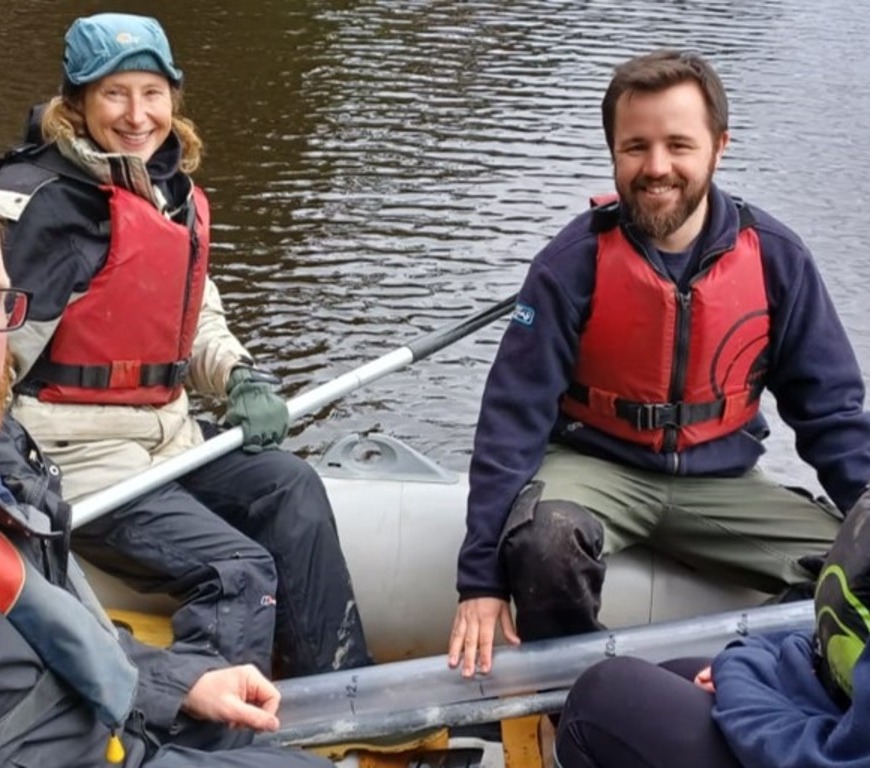
Lenka Kuglerová, John S. Richardson, Timo Muotka, Darshanaa Chellaiah and Jussi Jyväsjärvi talk to us about their latest perspective article which suggests that locally developed and adjusted targets for riparian buffers must move away from vague objectives. A switch towards quantifiable goals that specify what is supposed to be achieved and protected will help to implement, monitor and evaluate targets. Small streams in a forestry … Continue reading Enhancing riparian protection: A call for clear objectives and measurable targets

Landscape heterogeneity as a management tool to offset negative effects of habitat loss in agroecosystems

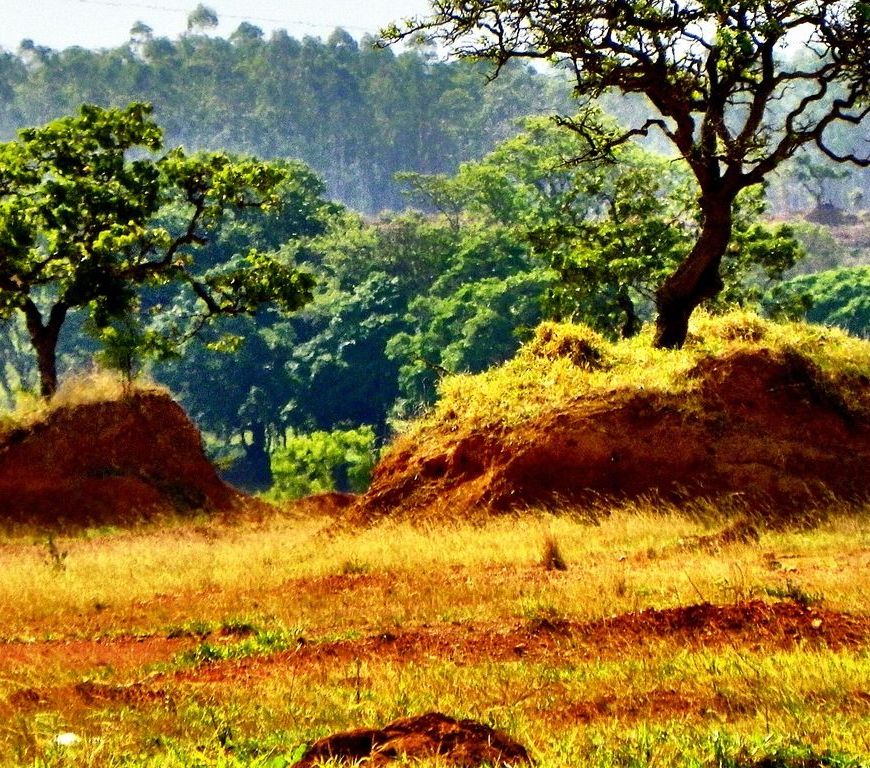
Marcella do Carmo Pônzio and Nielson Pasqualotto summarise their latest research in which they and colleagues investigated the effects of landscape heterogeneity and native vegetation cover on richness and composition of native and invasive mammals, across 55 landscapes in the Brazilian Savanna, Cerrado. A global process and a knowledge gap Intensive agriculture has significantly transformed landscapes by replacing native habitats and diversified small-scale farming into … Continue reading Landscape heterogeneity as a management tool to offset negative effects of habitat loss in agroecosystems

Editor’s Choice 60:11 Woodland Expansion in the Presence of Deer

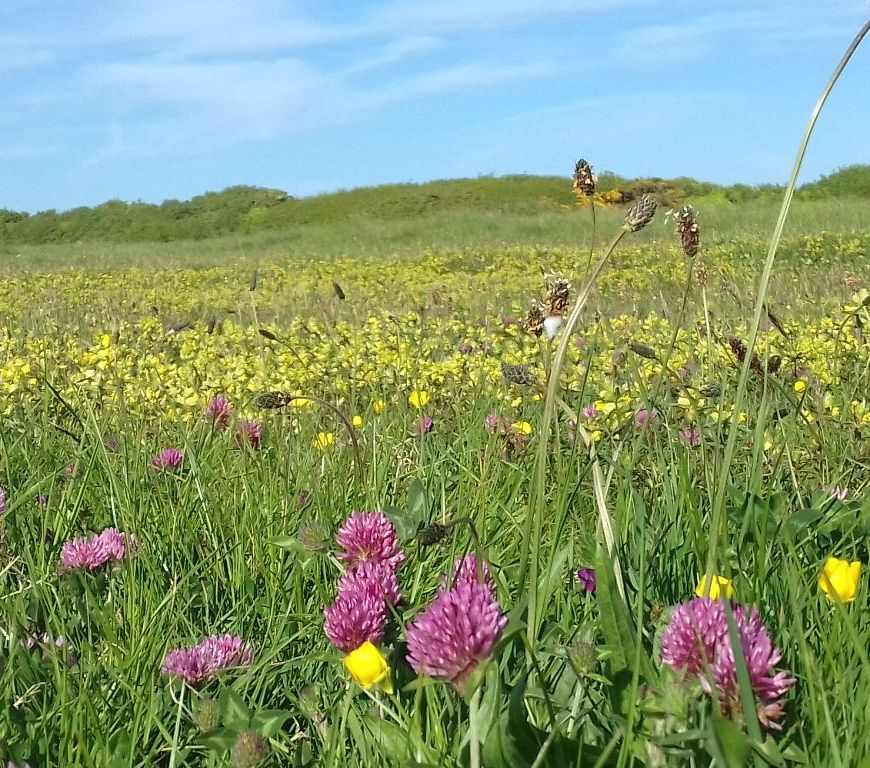
Pip Gullet, Mark Hancock and Sydney Henderson summarise the Journal of Applied Ecology’s November’s Editor’s Choice research article. This study presents 30 years of regeneration monitoring to show a consistent, large-scale expansion of native woodland, largely through natural regeneration alongside deer culling, without the use of fences. Continue reading Editor’s Choice 60:11 Woodland Expansion in the Presence of Deer

Our invaded world: India’s quest for ecosystem restoration

Ninad Mungi shares recent work, conducted with colleagues, which involved monitoring India’s levels of invasive plant species. This has knock-on effects for apex predators, such as tigers, who rely on their prey being able to access native species. Introduction In a world grappling with drastic ecological challenges, biological invasions have emerged as a pernicious threat to biodiversity, ecosystem functioning, and global health. While the impacts … Continue reading Our invaded world: India’s quest for ecosystem restoration

Call for proposals: Biodiversity, planning and development

The British Ecological Society journals Ecological Solutions and Evidence, Journal of Applied Ecology and People and Nature are seeking proposals for their new cross-journal Special Feature: “Biodiversity, planning and development – towards best practice“. The UN Decade on Ecosystem Restoration (2021-2030) highlights the need to move beyond conservation and protection to a nature positive agenda, to address the climate and biodiversity crises. Planning, as a … Continue reading Call for proposals: Biodiversity, planning and development

Editor’s Choice 60:9 Bat activity falls by over half at solar farms

Author Elizabeth Tinsley summarises Journal of Applied Ecology’s September Editor’s Choice research article. This latest research, conducted alongside colleagues, aimed to assess the impact of solar panel farms on bat activity. The growing need for renewable energy As our planet continues to warm, the need for renewable energy is becoming increasingly urgent. Renewable technologies are important in meeting energy demands sustainably and are of vital importance … Continue reading Editor’s Choice 60:9 Bat activity falls by over half at solar farms

Fauna sentinela: como o seguimento por GPS de espécies necrófagas fornece informação sobre o cumprimento dos regulamentos de gestão de cadáveres

Patrícia Mateo Tomás fala-nos do novo estudo que visa avaliar como o rastreio remoto da vida selvagem pode contribuir para uma melhor monitorização das leis ambientais. Através do rastreamento experimental de lobos e abutres via GPS, os pesquisadores conseguiram localizar um total de 489 carcaças de gado em Espanha e Portugal. Continue reading Fauna sentinela: como o seguimento por GPS de espécies necrófagas fornece informação sobre o cumprimento dos regulamentos de gestão de cadáveres

Fauna centinela: cómo el seguimiento GPS de especies necrófagas informa el cumplimiento de la normativa de gestión de carroñas

Patricia Mateo Tomás nos habla sobre el nuevo estudio de ella y sus colegas que tiene como objetivo evaluar cómo el seguimiento remoto de la vida silvestre puede contribuir a un mejor monitoreo de las leyes ambientales. A través del seguimiento experimental de lobos y buitres a través de GPS, los investigadores pudieron localizar un total de 489 cadáveres de ganado en España y Portugal. Continue reading Fauna centinela: cómo el seguimiento GPS de especies necrófagas informa el cumplimiento de la normativa de gestión de carroñas

Sentinel wildlife: GPS-tracking of scavengers to inform compliance with regulations on carcass disposal

Patricia Mateo Tomás talks us through her and colleagues’ new study which aims to assess how remotely tracking wildlife can contribute to the better monitoring of environmental laws. Through experimentally tracking wolves and vultures via GPS, researchers were able to locate a total of 489 livestock carcasses across Spain and Portugal. Continue reading Sentinel wildlife: GPS-tracking of scavengers to inform compliance with regulations on carcass disposal