Small fields, big benefits: But only with semi-natural habitats nearby

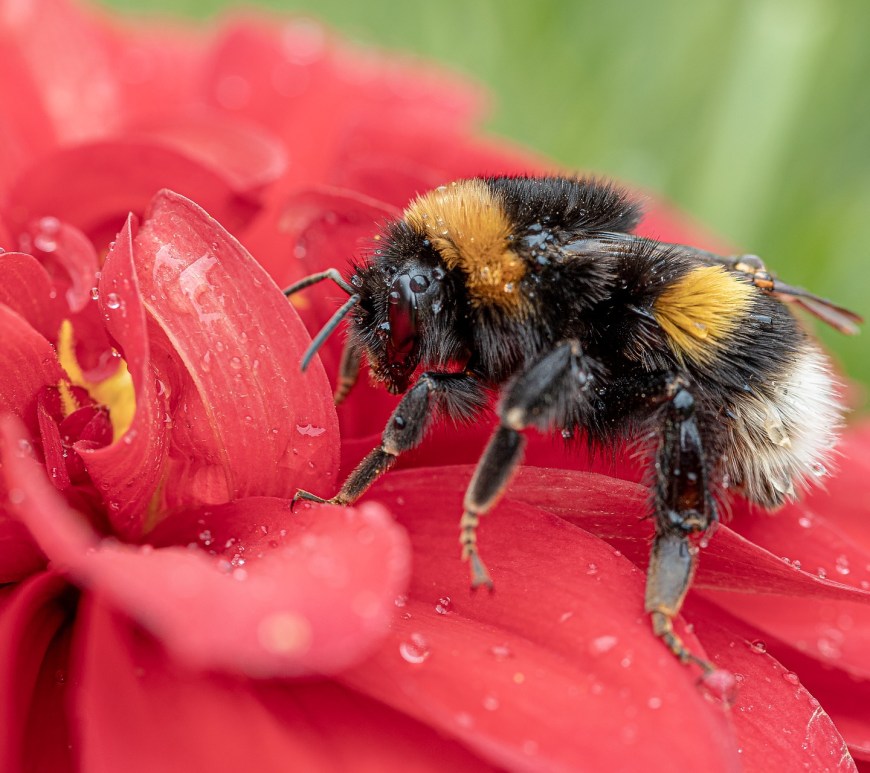
Pollinators, like bumblebees, are essential for agriculture, yet they’re declining due to landscape simplification and habitat loss. In this blog post, Riho Marja and colleagues tell us more about their study. Riho Marja and his team explored the effect of field size on Bumble bee populations in Austria and Hungary. They explored this by setting up 56 commercial bumblebee colonies in Eastern Austria and Western … Continue reading Small fields, big benefits: But only with semi-natural habitats nearby

Local and landscape scale factors influence pollinators at solar parks

Authors Hollie Blaydes and Alona Armstrong describe their latest research to better understand how pollinators respond to increasing solar park developments. Ground mounted solar parks are becoming increasingly common features of our landscapes and are set to play a pivotal role on the path to net zero. Currently taking up ~15,000 hectares across the UK, more land will be needed for solar parks to meet … Continue reading Local and landscape scale factors influence pollinators at solar parks

Variety is the spice of life: diverse key pollinators of British strawberry need non-crop resources

Author Edith Villa-Galaviz shares her team’s latest study exploring key pollinator species identity and behaviour for strawberry crops that can provide vital insights for improving crop yield. Fourteen years ago, a PhD student collected a large dataset on the visitation and pollen loads of the insects that visited three strawberry fields in the South West England. For various reasons, the student couldn’t publish their paper … Continue reading Variety is the spice of life: diverse key pollinators of British strawberry need non-crop resources

What limits bumblebee populations on farmland?

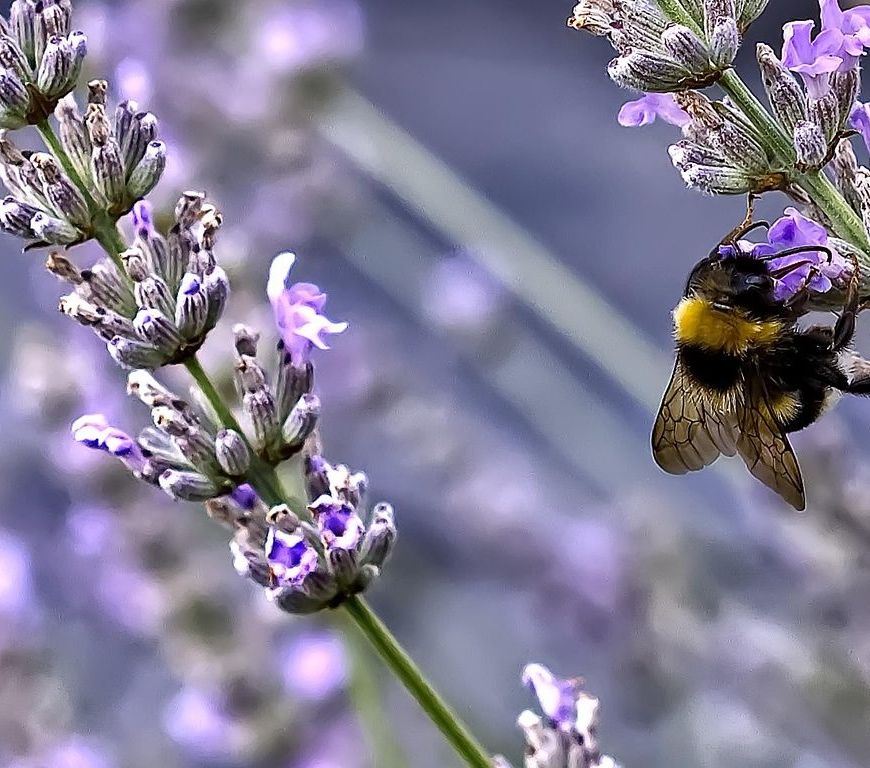
A new study by Timberlake and colleagues finds that late summer nectar supply on farmland has an important influence on bumblebee colony density the following year – does this offer an opportunity to devise more targeted agri-environment schemes for pollinators? Pollen and nectar are the primary food source for most adult pollinators, and in the case of bees, their larvae too. It is no surprise … Continue reading What limits bumblebee populations on farmland?

A new threat to native bumblebees

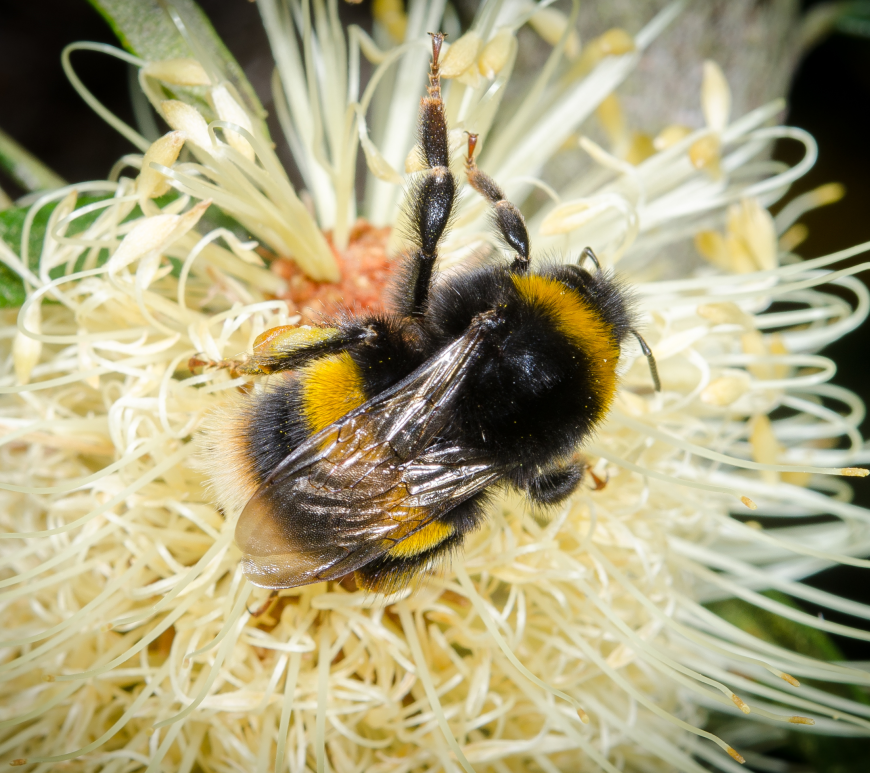
In their recently published article, Bartomeus et al. show how the commercial bumblebee trade is affecting the genetic integrity of native pollinators. Here the authors provide a summary of their work. Bees, especially bumblebees, are threatened by human-induced rapid environmental change such as habitat loss, exotic pathogens and global warming. But some species are more resilient than others. This is the case for the buff-tailed … Continue reading A new threat to native bumblebees

Loss of bumblebees is a loss to farmers 

New research by Néstor Pérez‐Méndez et al. highlights the economic implications of declining pollinator species. Here the authors summarise their work. Recent expansion and intensification of agriculture to meet growing food demands is among the main drivers of the alarming loss of insect diversity worldwide. This decline can lead to a marked degradation of the ecosystem services that insects provide, such as pollination or regulation of crop … Continue reading Loss of bumblebees is a loss to farmers 

Mind the gap: why flower timing matters to farmland pollinators

A new study by Thomas Timberlake et al. reveals seasonal ‘hunger gaps’ in farmland nectar supplies, which could be limiting pollinator populations. But does this offer an opportunity to devise more targeted and cost-effective conservation and agri-environment schemes for pollinators? Nectar and pollen are crucial resources which give bees and other pollinators the energy and protein they need to fly around, reproduce and maintain their … Continue reading Mind the gap: why flower timing matters to farmland pollinators

Bumblebees are frequent flyers – what are the impacts?

Addressing pollinator introduction policy and the effects introduced species can have on local ecosystems, Romina Rader, Manu Saunders and Tobias Smith discuss the recent Policy Direction, Coordinated species importation policies are needed to reduce serious invasions globally: The case of alien bumblebees in South America by Aizen et al. Bumblebees (Bombus spp.) are large, iconic pollinators of many wild flowers and crops.  Their ability to … Continue reading Bumblebees are frequent flyers – what are the impacts?