Impacts of proactive health management on cattle and horse diets and dung biodiversity in Danish rewilding areas

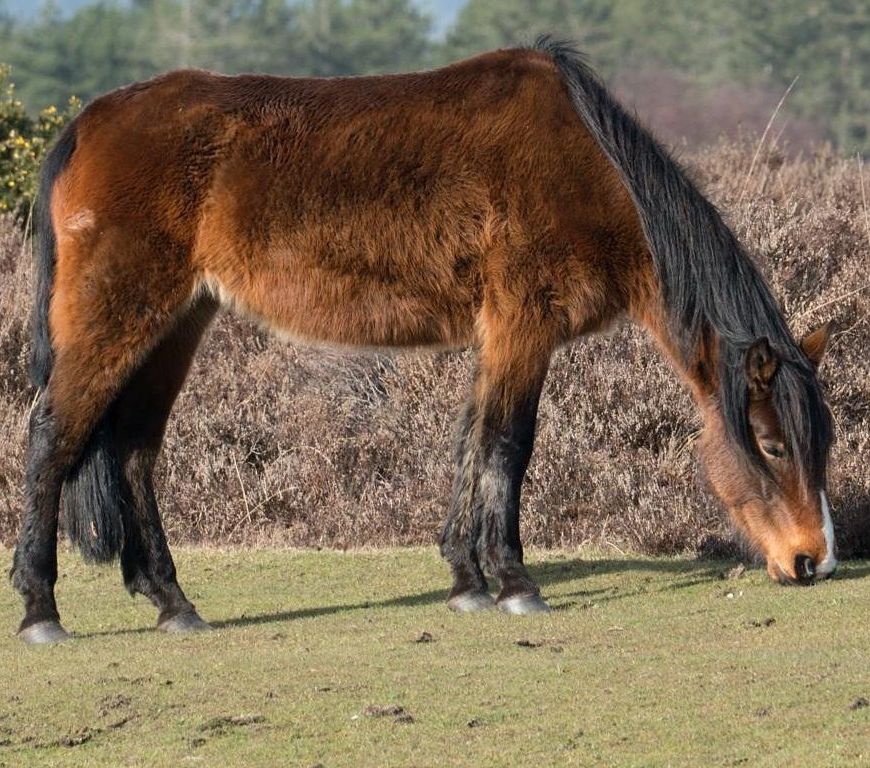
Emil S. Thomassen explains the recent diet study of rewilded cattle and horses, showing functional differences between the two species and reveals the impacts of management actions on this functionality as described in their latest research. The use of DNA metabarcoding for herbivorous diet analysis is a promising tool, yielding high-resolution data on plant consumption. In a time, where nature restoration and conservation are of … Continue reading Impacts of proactive health management on cattle and horse diets and dung biodiversity in Danish rewilding areas

The landscape of fear in cattle farms? How the presence of barn swallow influences the activity of pest flies

Authors of a research article recently published in Journal of Applied Ecology talk us through how barn swallows are effective biological control agents for lowering pest fly activity in livestock farms. Preamble: Farmland birds, filth flies and the landscape of fear Birds are key suppliers of crucial ecosystem services worldwide, and insectivorous species can consume up to 400 – 500 million tons of prey each … Continue reading The landscape of fear in cattle farms? How the presence of barn swallow influences the activity of pest flies

Igor Khorozyan: How to protect cattle from leopard attacks

In this Q&A, we discussed with author Igor Khorozyan the background behind his team’s recently published article: “Studded leather collars are very effective in protecting cattle from leopard (Panthera pardus) attacks” and the wider implications of the research, as well as finding a little bit more about the author himself. The research What’s your article about? In this article, we studied how good protective collars … Continue reading Igor Khorozyan: How to protect cattle from leopard attacks

Editor’s Choice 56:11 – badger behaviour compromises TB eradication efforts

Our November Editor’s Choice article raises the question of whether the culling of badgers could increase the risk of TB spread in cattle, as badgers in culled areas travel further. Associate Editor, Andrew Park, looks at context and management implications of Ham et al.’s recent findings. Bovine tuberculosis (TB) is an important livestock disease in the UK, where it has been increasing since the 1990s … Continue reading Editor’s Choice 56:11 – badger behaviour compromises TB eradication efforts

Vegetation change in the uplands is slow, slow, slow

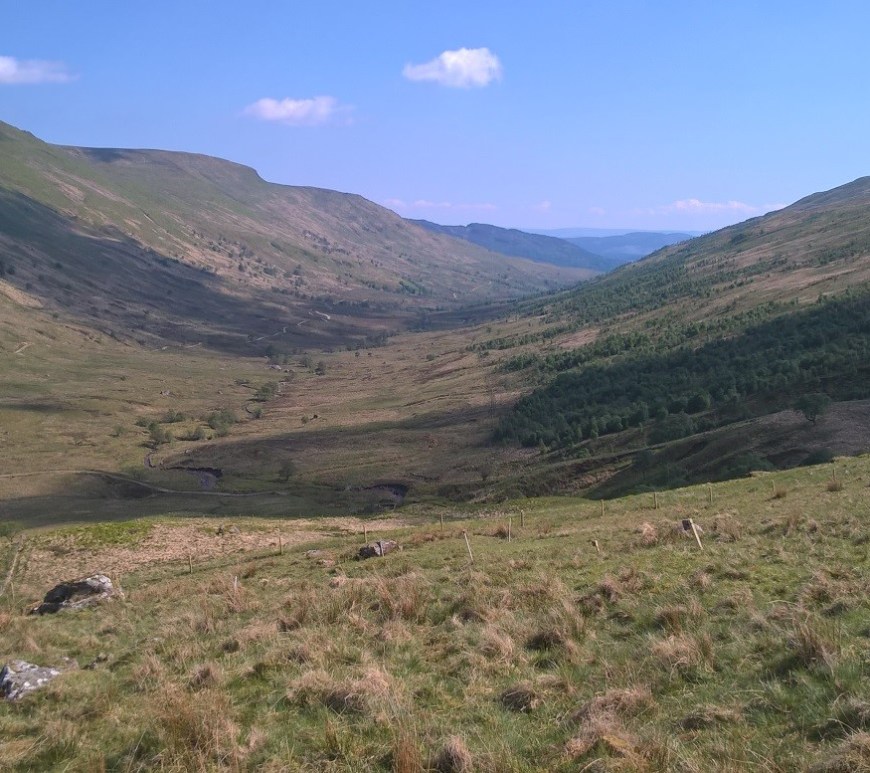
Using results from a long-term experiment at Glen Finglas in Scotland, Robin Pakeman and colleagues show that even substantial changes in grazing management take many years to play out, so forecasting change in the uplands is difficult. Here Robin explains more about their work. We set up the Glen Finglas experiment in 2002 to look at how changes to the European Common Agricultural Policy, specifically … Continue reading Vegetation change in the uplands is slow, slow, slow

Guanacos can coexist with commercial livestock in Patagonia

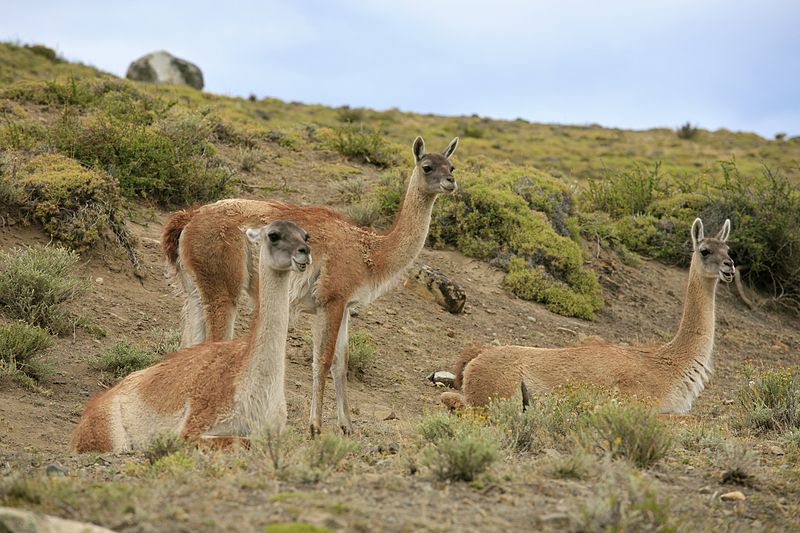
Meredith Root-Bernstein raises the question of how we define overgrazing and highlights the recent findings of Oliva et al. in their article, Remotely sensed primary productivity shows that domestic and native herbivores combined are overgrazing Patagonia. Can large wild herbivores live together with domestic livestock? This question is important to answer if we are going to reconcile the conservation of herbivore populations across large areas … Continue reading Guanacos can coexist with commercial livestock in Patagonia