Editor’s Choice 56:12 – Do introduced apex predators suppress introduced mesopredators? The debate continues

Our December Editor’s Choice by Fancourt et al. indicates that the presence of dingoes in Australia is unlikely to suppress introduced feral cats. Associate Editor, Michael Bode, looks at the evidence in this new research and explains why he feels the debate around this topic is far from over. In recent times, Australia has had one of the worst records of extinction in the world. … Continue reading Editor’s Choice 56:12 – Do introduced apex predators suppress introduced mesopredators? The debate continues
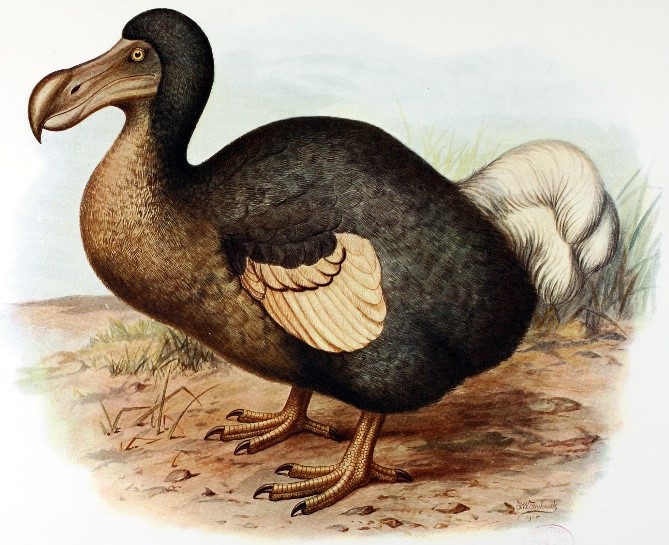
If some species extinctions are the result of bad luck, what does this mean for conservation?

Kevin Smith and Ryan Almeida take a look at how we can predict and manage extinction risk.  Here’s a thought experiment for you: ask a few people the question, ‘What was it about the dodo that led it to go extinct’? Compare your answers. Based on our experience, your friends and colleagues are likely to cite some of the dodo’s traits that they feel like … Continue reading If some species extinctions are the result of bad luck, what does this mean for conservation?

Conservation optimism: applied ecologists lead the way

Linking to their upcoming summit in Oxford, UK, Conservation Optimism’s E.J. Milner-Gulland brings together a selection of recent research papers that celebrate conservation success and look for solutions. These are both difficult and hopeful times for applied ecologists. On the one hand, the scale and severity of the strain that our ecological systems are under is becoming more and more apparent; a look through the … Continue reading Conservation optimism: applied ecologists lead the way

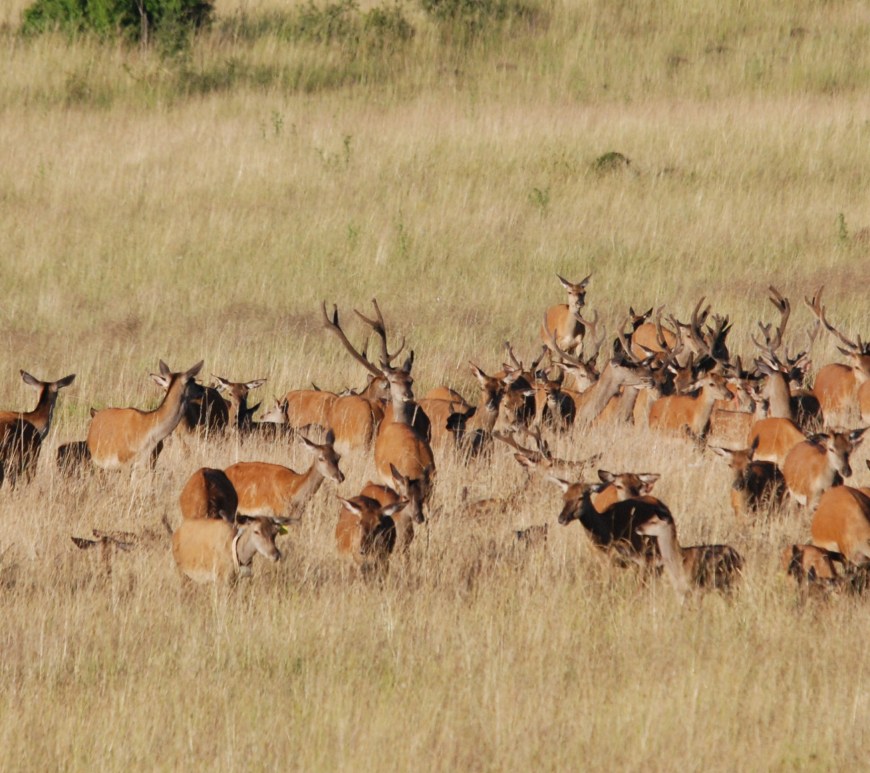
Editor’s Choice 56:6 -Wild and free: red deer grazing for conservation

Issue 56:6’s Editor’s Choice article demonstrates how a ‘hands-off’ approach and grazing by wild ungulates can be just as effective as livestock when it comes to managing grassland biomass – given the specific contexts are considered. Annabel Smith and Jana Eccard share highlights from the research by Friederike Riesch and colleagues, Grazing by wild red deer: Management options for the conservation of semi‐natural open habitats. … Continue reading Editor’s Choice 56:6 -Wild and free: red deer grazing for conservation

Cover stories: protecting the Sumatran rhino

With approximately 100 individuals left in the wild, the Sumatran rhinoceros (Dicerorhinus sumatrensis) is one of four charismatic megafauna species in Sumatra used as flagship and umbrella species for conservation. Our cover image photographer for issue 56:5, Marsya Sibarani tells us about her interaction with this endangered species. In 2015, I got the chance to visit the Sumatran Rhino Sanctuary (SRS) in Way Kambas National … Continue reading Cover stories: protecting the Sumatran rhino

Spotlight: Conservation in marine habitats

This month, Journal of Applied Ecology turns its focus to the health of the worlds’ oceans, with a new Spotlight, Conservation in marine habitats. Ignasi Montero-Serra summarizes the importance of this collection of work that provides a variety of cutting-edge tools to quantify the impact of major stressors, and to guide management actions across marine habitats; from the intertidal to the deep sea. Marine habitats … Continue reading Spotlight: Conservation in marine habitats

On the horizon: Options for cultivating rice as climate changes and salinity increases

For the latest post in our series looking at developing issues in the world of conservation, Erica Fleishman explores food security and the production of rice in a changing climate. Rising sea levels, drought, and agricultural irrigation have increased the salinity of soils in both coastal and inland areas. Mineral deficiencies and toxicity may accompany local increases in salinity. As a result, scientists aim to … Continue reading On the horizon: Options for cultivating rice as climate changes and salinity increases

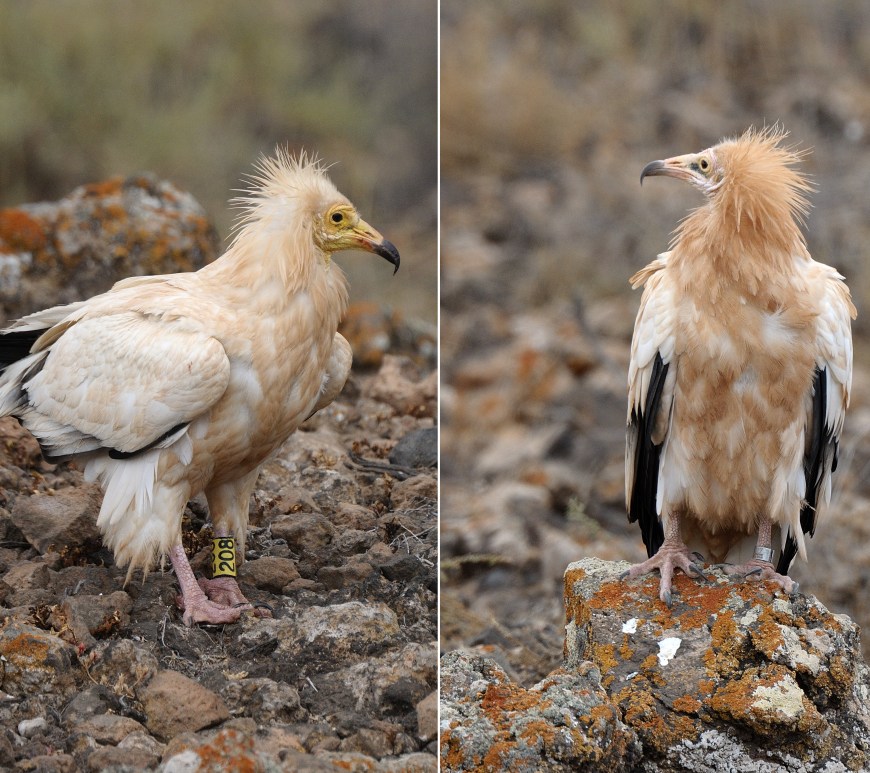
Long-term European LIFE project key for the recovery of an endangered Egyptian vulture population

In new research, Jaume Adrià Badia‐Boher and colleagues highlight the need for long-term monitoring of conservation programmes. Here, co-author, Ana Sanz‐Aguilar demonstrates one success story of this nature, in conservation of the Canary Egyptian Vulture. The population of one of the most endangered raptors in Europe, the Canary Egyptian Vulture (Neophron percnopterus majorensis), is recovering. This is one of the main conclusions reached by an international … Continue reading Long-term European LIFE project key for the recovery of an endangered Egyptian vulture population

On the horizon: Deforestation expansion of plantations and infrastructure threaten Indo-Malay island species

The latest post in our ‘On the horizon’ series sees Nafeesa Esmail and Alice Hughes highlight the potential effects of a developing palm oil industry on Southeast Asisa’s forests.  Southeast Asia’s forests are some of the most diverse on Earth, representing a number of global biodiversity hotspots. Yet this region is also undergoing an unparalleled rate of deforestation. Given the small ranges of many species … Continue reading On the horizon: Deforestation expansion of plantations and infrastructure threaten Indo-Malay island species

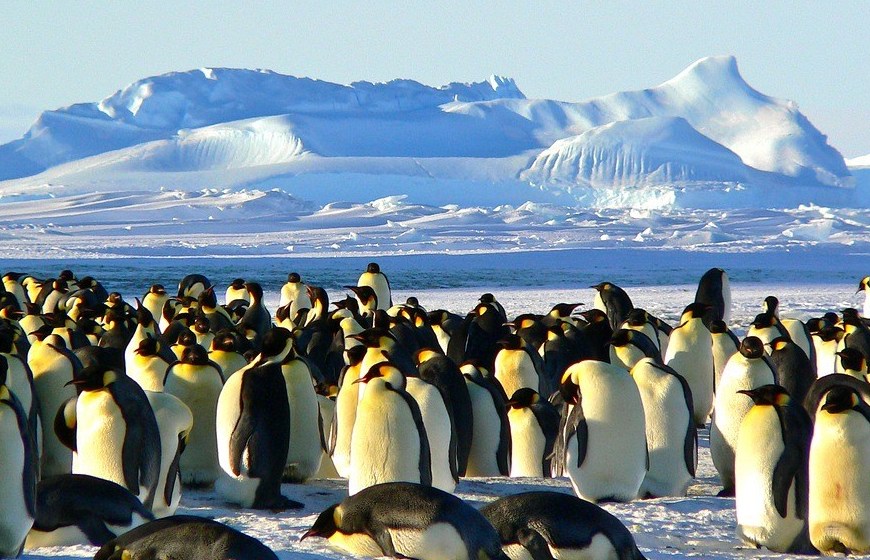
On the horizon: Climate change and the capacity of Antarctic benthos to store carbon

Kicking off our On the horizon series of posts about emerging issues in conservation and applied ecology, Nathalie Pettorelli explores how climate change and melting ice in the Antarctic could affect carbon storage on a global scale. Just a few days ago, news outlets around the world were reporting on the findings from a study published in the Proceedings of the National Academy of Sciences … Continue reading On the horizon: Climate change and the capacity of Antarctic benthos to store carbon