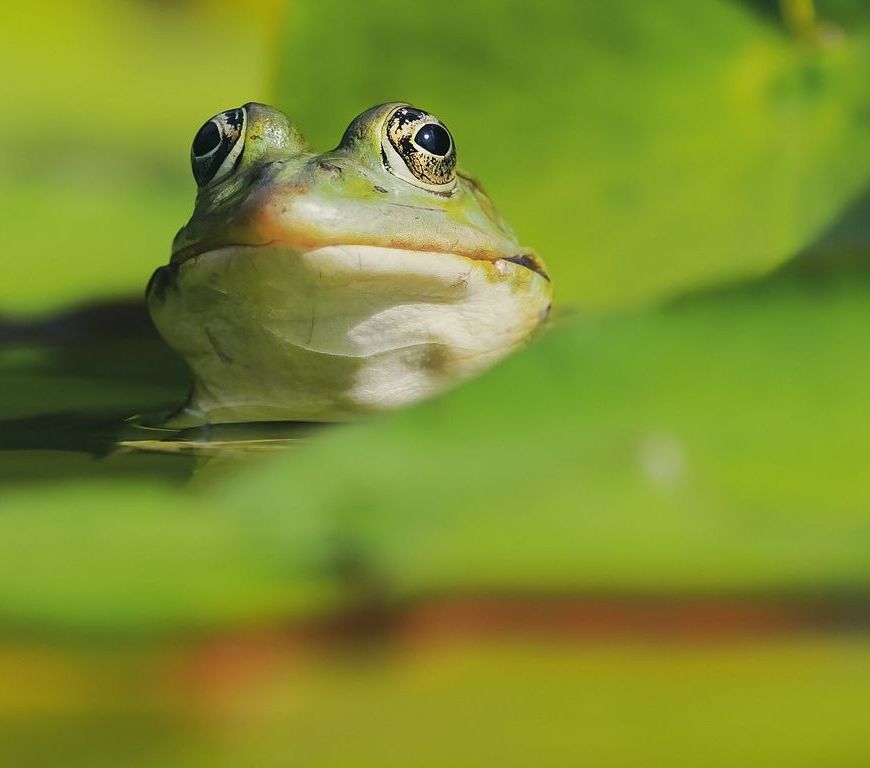
Let’s improve disease metrics in wildlife: an example with Darwin’s frogs infected by the deadly chytrid fungus

Hugo Sentenac discusses theirs and colleagues’ recent research article which uses data from a fungal pathogen and Darwin’s frogs to assess the magnitude of prevalence bias, as well as illustrate how it can impact disease risk assessment. Infectious diseases: Batrachochytrium dendrobatidis Certain infectious diseases have wrought havoc in nature. One dramatic example is the amphibian chytridiomycosis caused by the chytrid fungus Batrachochytrium dendrobatidis.  It has … Continue reading Let’s improve disease metrics in wildlife: an example with Darwin’s frogs infected by the deadly chytrid fungus

Research stories: Using accelerometers to uncover wildlife behaviour

How can we study wildlife behaviours associated with disease transmission without altering those behaviours ourselves, via our presence? Authors Van de Vuurst and Alexander share their latest Practice Insights that explore a new method to overcome this problem. Wildlife research is a job made of calluses, sweat and patience. From sample gathering along stream banks to telemetry surveys across frozen tundra, all wildlife professionals are … Continue reading Research stories: Using accelerometers to uncover wildlife behaviour

Spotlight: Forecasting and preventing the next outbreak – perspectives on infectious disease management

The Spotlight for issue 54:3 is on wildlife diseases. This post is written by Samantha Rumschlag and Jeremy Cohen. All five Spotlight papers are available to read here. In an ever-changing world, the risk of disease emergence is on the rise. As the climate warms, ranges of parasites and disease vectors are predicted to shift, exposing naïve populations to new threats. Humans are put in closer … Continue reading Spotlight: Forecasting and preventing the next outbreak – perspectives on infectious disease management