Honeybees interfere with wild bees in apple pollination in China

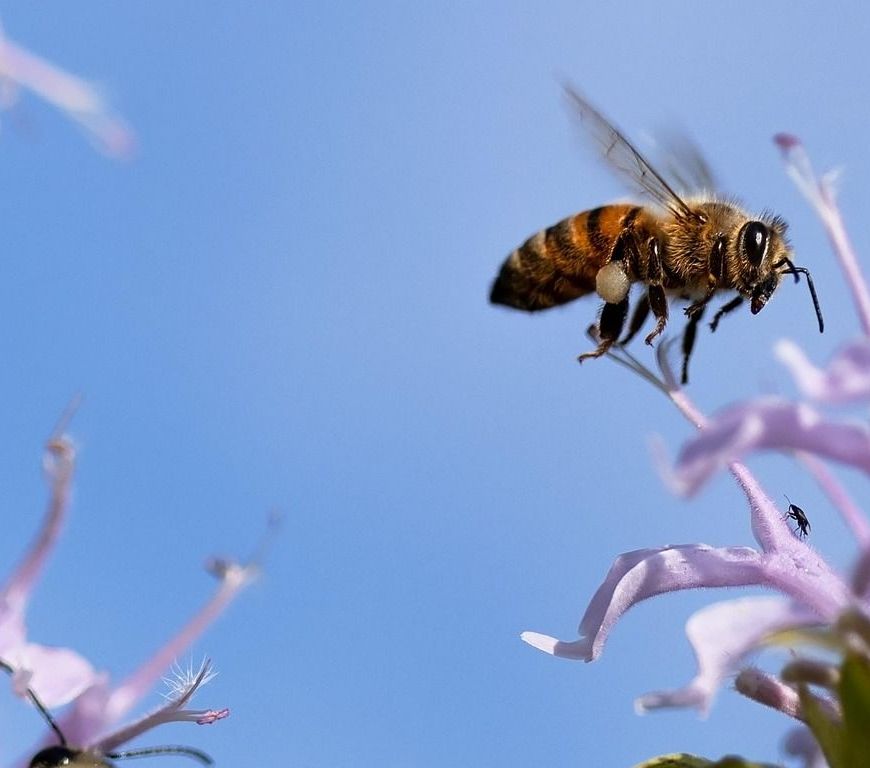
In this blog post, Yunhui Liu and team discuss their latest research into the importance of honeybees and wild bees for apple pollination, as well as whether the contribution of wild bees is influenced by increasing numbers of honeybees. Animal pollination is crucial for sustainable crop production and food security. Although there is a growing reliance on pollinators in crop production, global reports indicate a … Continue reading Honeybees interfere with wild bees in apple pollination in China

Does incorporating complexity into coastal engineering increase fish diversity along urban shorelines?

Authors of a recently published research article explain how, to enhance fish diversity, it is important to provide three-dimensional habitat architecture that incorporates a wide range of microhabitat sizes and types.  Habitat complexity Habitat complexity is a key driver of marine fish diversity and essential for determining structure and function of fish communities. Many fishes use benthic habitat features (e.g. holes, crevices, vertical reliefs, and … Continue reading Does incorporating complexity into coastal engineering increase fish diversity along urban shorelines?

Passive tree diversity increase after intense forest exploitation? A matter of drought-tolerant and animal-dispersed species

Miriam Selwyn discusses their latest study’s findings, conducted with colleagues. Results find ca. 30 years of passive tree species diversity increase following intense forest management release. This is largely thought to be led by animal-dispersed and higher drought tolerant species in the context of increasing temperatures and decreasing precipitations. Why does diversity matter? Tree species diversity is considered one of the main attributes promoting forest … Continue reading Passive tree diversity increase after intense forest exploitation? A matter of drought-tolerant and animal-dispersed species

Southwood Prize 2020: early career researcher winner announced

We’re excited to announce Pu Jia as the winner of this year’s Southwood Prize, celebrating the best paper by an early career researcher in the 2020 (57th) volume of Journal of Applied Ecology. Pu’s winning paper is Plant diversity enhances the reclamation of degraded lands by stimulating plant–soil feedbacks. About the research While the ecological literature on the linkages between biodiversity and ecosystem function is rich, … Continue reading Southwood Prize 2020: early career researcher winner announced

Zenobia Lewis: On being a token

As the British Ecological Society (BES) journals celebrated and shared the experiences of Black ecologists during Black History Month UK, we want to also acknowledge that all Black, Asian and Minority Ethnic (BAME) communities are part of the wider discussion about race and share some similar experiences. Professor Zenobia Lewis from the University of Liverpool sits on the BES Equality and Diversity Working Group and … Continue reading Zenobia Lewis: On being a token

Trembling in the Balance: My life as a Black ecologist

For Black History Month, the British Ecological Society (BES) journals are celebrating the work of Black ecologists from around the world and sharing their stories. Christian Asante, a fifth year doctoral student at Boston College, shares his story below. I was born and raised in a sprawling urban neighbourhood in Ghana. My first awareness of nature as a child was birds flying headlong into my … Continue reading Trembling in the Balance: My life as a Black ecologist

Black Outdoors: Sharing the joys of outdoors while Black

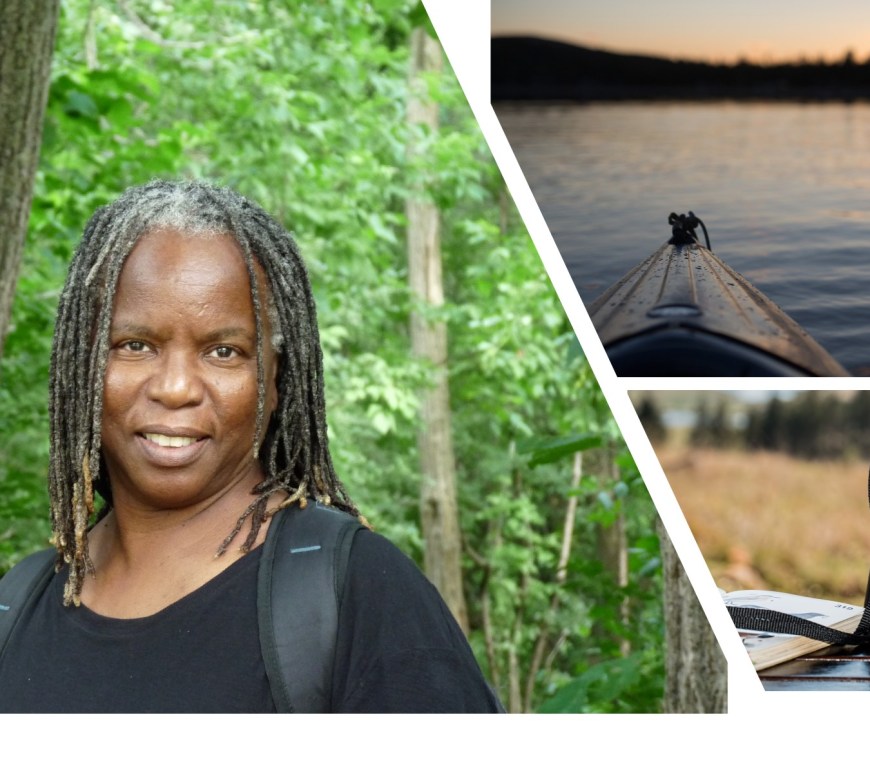
For Black History Month, the British Ecological Society (BES) journals are celebrating the work of Black ecologists from around the world and sharing their stories. Below we share Black Outdoors – a blog about the academic journey and outdoor adventures of Jacqueline L. Scott. Author, researcher and all-round outdoor adventurer. Jacqueline L. Scott is a PhD student at the University of Toronto studying the relationship … Continue reading Black Outdoors: Sharing the joys of outdoors while Black

Lionel Yamb: Saving sharks in Cameroon waters

For Black History Month, the British Ecological Society (BES) journals are celebrating the work of Black ecologists from around the world and sharing their stories. Lionel Yamb, who sits on the BES Equality and Diversity Working Group, shares his story below. My name is Lionel Yamb; I’m an early career marine ecologist working in Cameroon with the Institute of Agricultural Research for Development (IRAD). I … Continue reading Lionel Yamb: Saving sharks in Cameroon waters

Editor’s Choice 57:04 – Enhancing biodiversity through more heterogeneous field designs

In Journal of Applied Ecology’s April Editor’s Choice, Alignier et al. present a way of promoting farmland biodiversity without sacrificing land needed for agricultural production. Associate Editor, Pieter De Frenne (Forest & Nature Lab, Ghent University, Belgium), introduces their exciting research. Researchers and policymakers are constantly testing, assessing and implementing different techniques to reduce the negative impacts of current agricultural practices on biodiversity. This is … Continue reading Editor’s Choice 57:04 – Enhancing biodiversity through more heterogeneous field designs

Quality in peer review: tools and resources

From selecting your preferred reviewers to providing the most useful and fair feedback to other authors, peer review can be both challenging and rewarding. In line with Peer Review Week 2019’s theme of quality in peer review, we have curated this selection of tools, tips and articles to help hone your peer review skills and gain clearer insight into what the process involves.  There’s plenty … Continue reading Quality in peer review: tools and resources