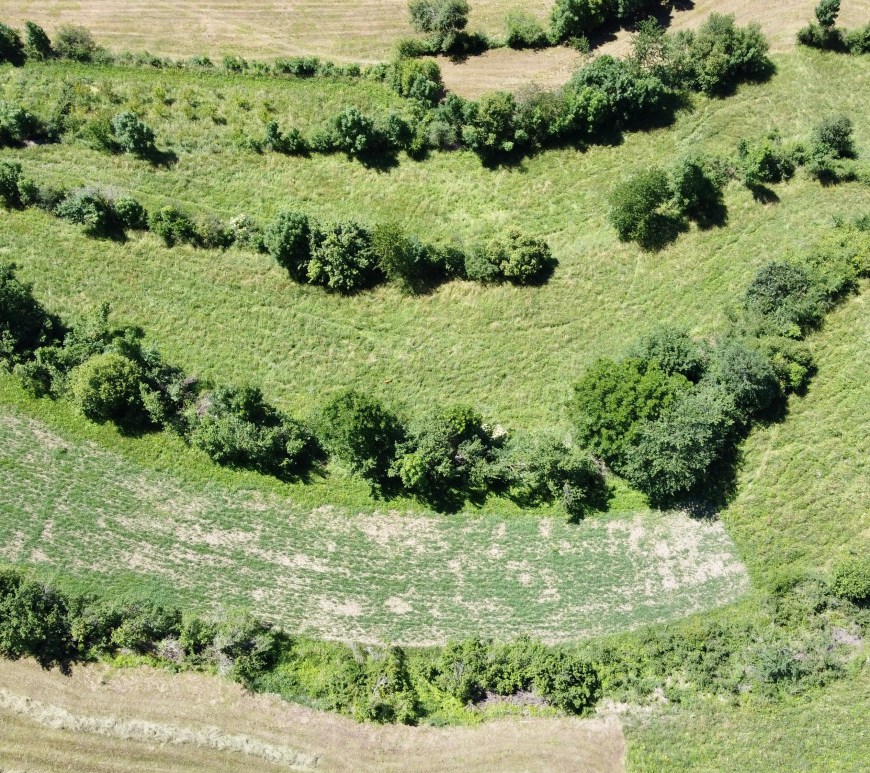
Studying habitat requirements at the edge of a species’ range: lessons from a critically endangered warbler in the Italian Alps

Ceresa et al. share their experience investigating the conservation of peripheral populations, focusing on the critically endangered barred warbler Curruca nisoria in the Italian Alps. Peripheral populations — those living at the edges of a species’ distribution — are often small and isolated. Yet they can be disproportionately important for conservation, harbouring unique genetic diversity and local adaptations that may help species cope with environmental change. … Continue reading Studying habitat requirements at the edge of a species’ range: lessons from a critically endangered warbler in the Italian Alps

Drone-induced flight initiation distances for shorebirds in mixed-species flocks

Joshua Wilson discusses recent research at Moreton Bay, Australia which saw Wilson and colleagues conduct over 200 drone approaches of shorebird flocks to measure how the birds respond to drones. Particular attention is paid to the critically endangered Eastern Curlew. Stress responses Imagine you’re resting in your bed when, out of the corner of your eye, you see something scuttling along the roof towards you. … Continue reading Drone-induced flight initiation distances for shorebirds in mixed-species flocks

Cover stories: is fallow management relevant to improving habitat suitability for steppe birds?  

Research by Ana Sanz‐Pérez et. al. shows how managing the vegetation structure of fallow fields with agricultural practices commonly used by farmers increases the occurrence of endangered steppe bird species. This work features as our September cover image, taken by Jordi Bas. Read a summary of the research and explore the promotion of fallow management in our latest cover story. And don’t forget to scroll … Continue reading Cover stories: is fallow management relevant to improving habitat suitability for steppe birds?