Let’s improve disease metrics in wildlife: an example with Darwin’s frogs infected by the deadly chytrid fungus

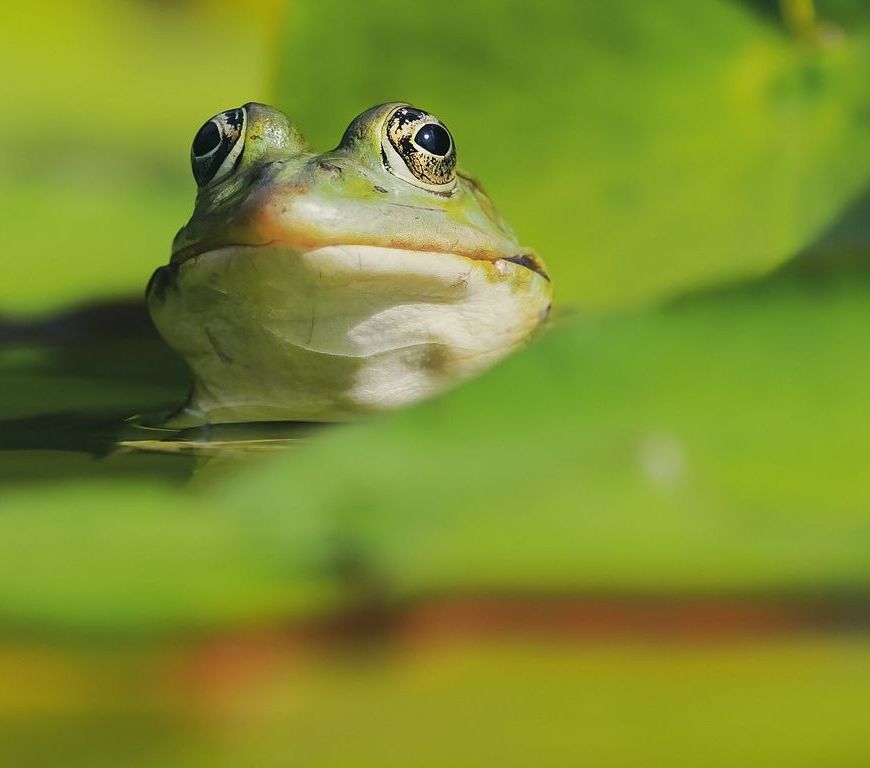
Hugo Sentenac discusses theirs and colleagues’ recent research article which uses data from a fungal pathogen and Darwin’s frogs to assess the magnitude of prevalence bias, as well as illustrate how it can impact disease risk assessment. Infectious diseases: Batrachochytrium dendrobatidis Certain infectious diseases have wrought havoc in nature. One dramatic example is the amphibian chytridiomycosis caused by the chytrid fungus Batrachochytrium dendrobatidis.  It has … Continue reading Let’s improve disease metrics in wildlife: an example with Darwin’s frogs infected by the deadly chytrid fungus

Expansion of hydropower plants drives the risk of extinction of an imperiled and endemic freshwater turtle

André Luis Regolin talks us through the latest research from themselves and colleagues on conserving the rare Williams’ side-necked turtle. The study uses a new methodological approach to evaluate how current and future scenarios of hydroelectric generation affect the species’ distribution. The problem The Williams’ side-necked turtle (Phrynops williamsi) was only described to science in 1983 and since then little attention and research efforts have … Continue reading Expansion of hydropower plants drives the risk of extinction of an imperiled and endemic freshwater turtle

Chronic declines and Red Listing: Are hazel dormice Endangered?

Shortlisted for the Georgina Mace Prize 2023 Ellie Scopes describe her team’s latest article re-assessing the extinction risk and conservation status of hazel dormice (Muscardinus avellanarius) using long-term monitoring data. Threats assessments and conservation priority often become entangled, despite different aims. Whilst threat assessments focus on the proximity of the species to extinction, usually with objective guidelines, conservation priority is more subjective and will involve … Continue reading Chronic declines and Red Listing: Are hazel dormice Endangered?

Multiple incentives to harvest can increase the extinction risk of rare species

Ryan Almeida talks us through recent research on extinction risk with Juan Bonachela and Julie Lockwood. Through a case study on the ground pangolin, or the Smutsia temminckii, the study uses models to consider rare species extinction risk and the rate at which overexploitation occurs. The economics of exploitation Overexploitation, the unsustainable harvest of species from the wild, is recognized as one of the “big … Continue reading Multiple incentives to harvest can increase the extinction risk of rare species

If some species extinctions are the result of bad luck, what does this mean for conservation?

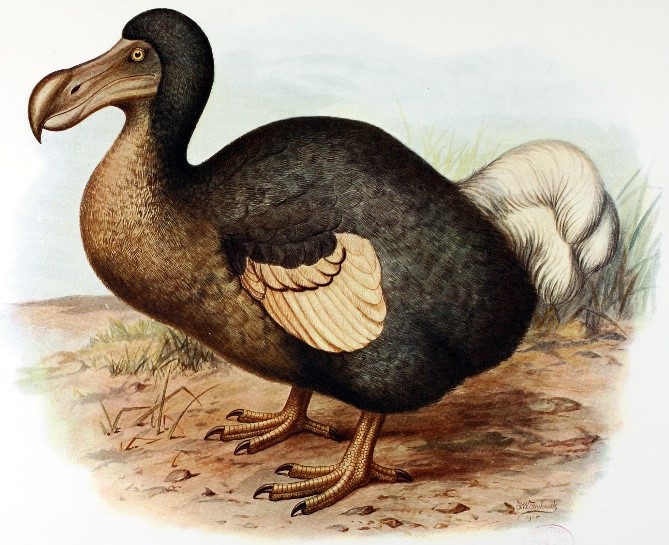
Kevin Smith and Ryan Almeida take a look at how we can predict and manage extinction risk.  Here’s a thought experiment for you: ask a few people the question, ‘What was it about the dodo that led it to go extinct’? Compare your answers. Based on our experience, your friends and colleagues are likely to cite some of the dodo’s traits that they feel like … Continue reading If some species extinctions are the result of bad luck, what does this mean for conservation?