Cheap microclimate sensor networks in the wild

Shortlisted for the Georgina Mace Prize 2023 Author Lina K. Mühlbauer summarises her team’s latest study exploring the use of Arduinos as a novel cost-effective method for microclimate monitoring in remote systems. Why measure microclimate? A great challenge of our times is to predict and mitigate the impacts of global climate change on the world’s ecosystems. To do so, a lot of information is needed … Continue reading Cheap microclimate sensor networks in the wild

ECR Journeys: Pacific Northwest to the Basque Country

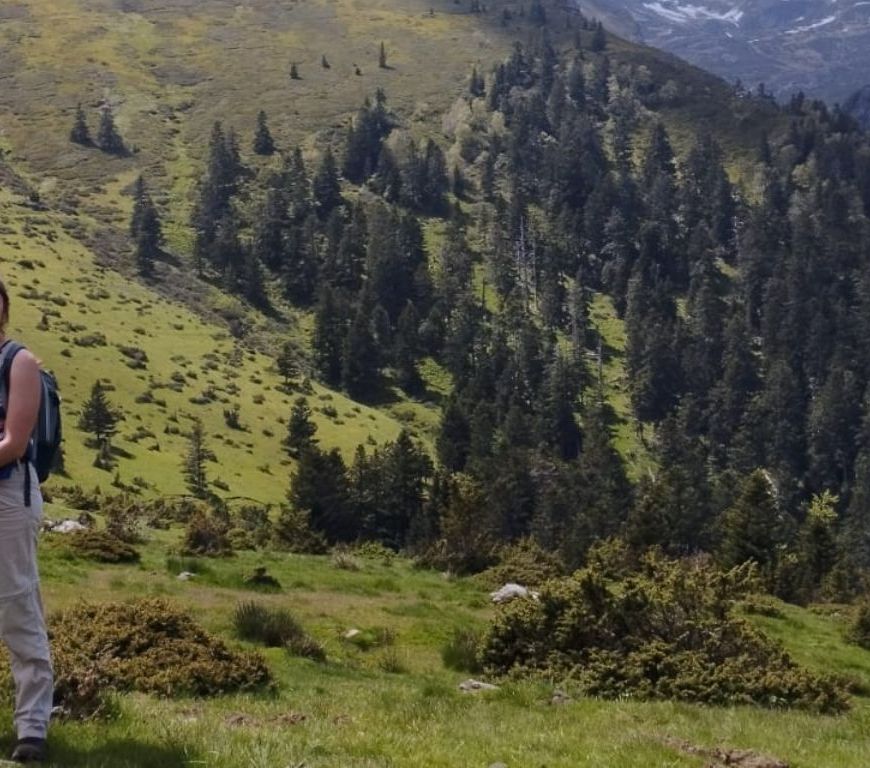
This month, The Applied Ecologist is amplifying the voice of early career ecologists from around the world working in the field of applied ecology to help inspire the next generation. In this post, Claudia Christensen García from the Basque Centre for Climate Change shares her story below. My background and interests I love to go birdwatching, both at home and when traveling. Something great about … Continue reading ECR Journeys: Pacific Northwest to the Basque Country

Tropical riparian forests in danger from large savanna wildfires

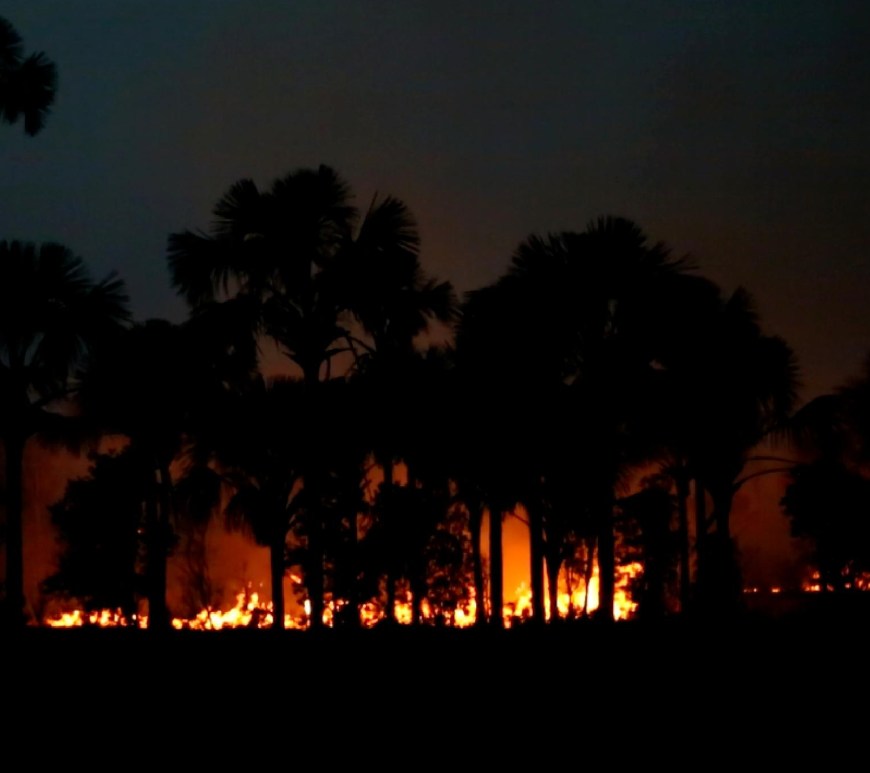
In their latest research, Flores and colleagues combine satellite image analysis with detailed field assessments, to quantify the impact caused by large wildfires on riparian forests in the Chapada dos Veadeiros National Park (CVNP). Large savanna wildfires are increasing across the tropics because of a synergism between climate change and unsustainable management practices. In Brazil, for instance, savannas of the Cerrado and Pantanal have recently … Continue reading Tropical riparian forests in danger from large savanna wildfires

Coalescing global expertise for global problems: thoughts from the Davos World Biodiversity Forum

Last month, Davos hosted the first World Biodiversity Forum, bringing together representatives from different sectors to hold a conversation about the future of biodiversity around the world. Marc Cadotte, Chair of Applied Ecology Resources (AER) and Editor-in-Chief of Ecological Solutions and Evidence (ESE), shares his thoughts and experiences from the inaugural event. Global discussions around pandemics and economic downturn garner immense attention from governments and … Continue reading Coalescing global expertise for global problems: thoughts from the Davos World Biodiversity Forum

Cover stories: recovering beauty

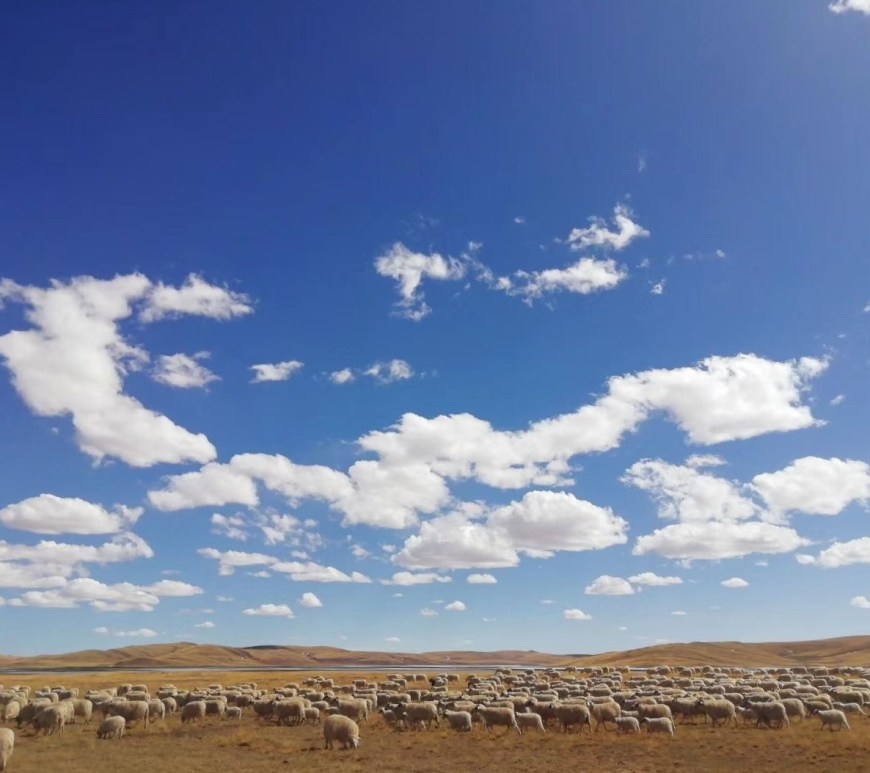
Our August cover image by Guiyao Zhou (East China Normal University) shows how livestock grazing activities potentially alter many ecosystem functions such as carbon sequestration. But these effects can be markedly regulated by the associated global change factors (e.g., warming, nitrogen addition and drought). Here Guiyao shares the story behind the cover image and the grassland ecosystem work it represents.  These photos were taken in Wayan mountain, a very beautiful alpine meadow … Continue reading Cover stories: recovering beauty

High Intensity Fires – do they reverse bush encroachment or speed up the loss of tall trees?

In this post Izak Smit discusses his recent paper ‘An examination of the efficacy of high-intensity fires for reversing woody encroachment in savannas‘. Woody densification in savannas Many studies have documented how grasslands and open savannas are being invaded by woody plants. This phenomenon is predicted to increase as atmospheric CO2 levels increase, favouring woody plants at the expense of grasses. Woody encroachment can have … Continue reading High Intensity Fires – do they reverse bush encroachment or speed up the loss of tall trees?