Evaluating songbird vulnerability to offshore wind turbine mortality

Leon Green-Tkacenko and co-authors share insight into their recent study that explores how existing vulnerability indices for seabirds can be applied to migrating songbirds, and potentially other migrating birds, in evaluating vulnerability to offshore wind turbine morality. What is the problem? Climate change is the most pressing threat to biodiversity in the 21st century andaddressing this threat will require substantial changes to how we generate … Continue reading Evaluating songbird vulnerability to offshore wind turbine mortality

A safe passage: Protecting migratory birds in the North Sea

Maja Bradarić summarises how, alongside colleagues, they used 5 years of tracking bird radar data, weather and phenological variables to develop seasonal forecasts of bird migration over the southern North Sea. These forecasts of nocturnal bird migration may be used to define curtailment thresholds for offshore wind energy. In May 2023, turbines in two offshore wind farms in the Dutch North Sea came to a virtual … Continue reading A safe passage: Protecting migratory birds in the North Sea

Aimée McIntosh: Modelling harvest of Greenland barnacle geese and its implications in mitigating human–wildlife conflict

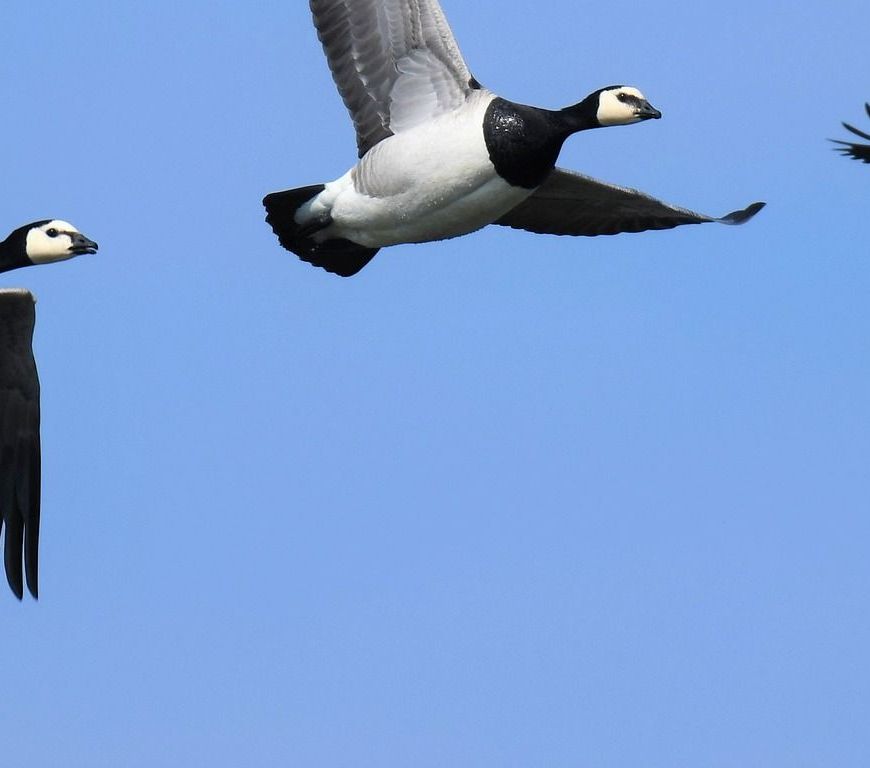
Shortlisted for the 2023 Southwood Prize Aimée McIntosh talks us through how she and colleagues constructed an integrated population model to assess the cumulative impact of all shooting harvest on the Greenland barnacle goose. Findings demonstrate the impact of local harvests on global abundance, emphasising the importance of internationally coordinated monitoring and management strategies of migratory species. From conservation success to conflict Unlike many migratory … Continue reading Aimée McIntosh: Modelling harvest of Greenland barnacle geese and its implications in mitigating human–wildlife conflict

Weather forecasts can help us save migratory birds from collisions with city buildings

In their latest research article, Sara Kross, Katherine Chen, Benjamin Van Doren and colleagues utilise 5 years of bird collision counts in New York City to determine the influence of nocturnal weather conditions and bird migration traffic rates on collisions with buildings. Migration is already a particularly dangerous part of the annual life cycle of many birds, and it’s estimated that collisions with windows kills up … Continue reading Weather forecasts can help us save migratory birds from collisions with city buildings

Hotspots in the Grid: Avian sensitivity and vulnerability to collision risk from energy infrastructure interactions In Europe and North Africa

A new paper, led by Jethro Gauld from the University of East Anglia and colleagues from across Europe, demonstrates how GPS tracking data can be a powerful tool for identifying areas where birds are most sensitive to new renewable energy development due to collision risks. The transition to zero carbon energy is essential to avoid runaway climate change. As nations strive to achieve their Net … Continue reading Hotspots in the Grid: Avian sensitivity and vulnerability to collision risk from energy infrastructure interactions In Europe and North Africa

Using tracking data to guide research and conservation efforts in long-distance migratory birds

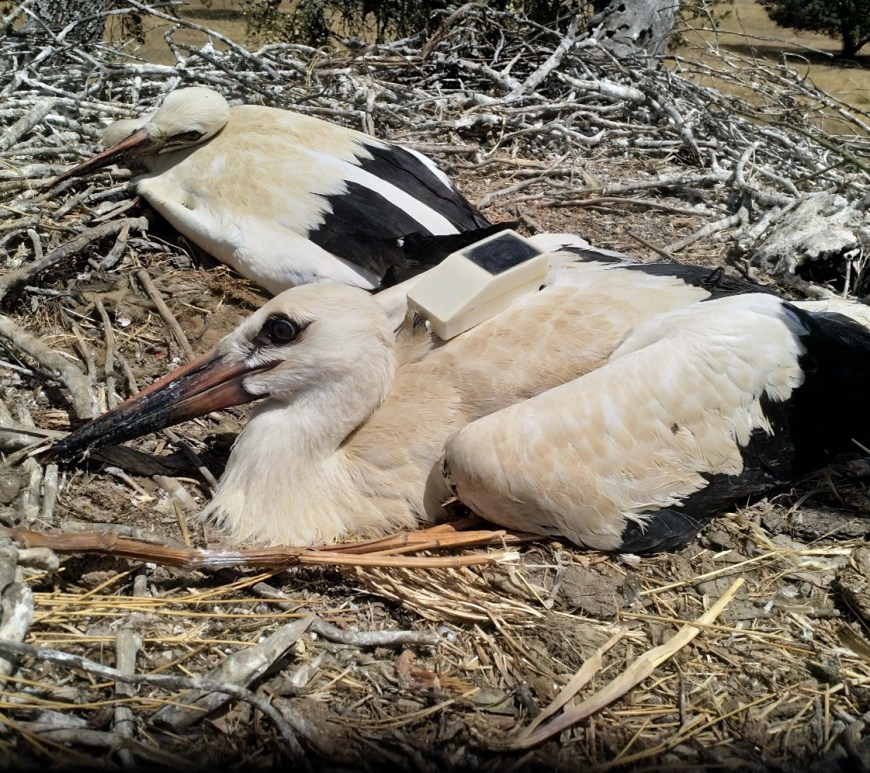
Developments in tracking data are uncovering important conservation sites, the significance of which had previously been unknown. Associate Editor, Chi-Yeung explains more about the recently published work of Ying‐Chi Chan and colleagues. An increasing number of tracking studies on animals over the last few decades have revealed interesting behaviour and habits that are otherwise impossible to observe in the field. This is particularly the case … Continue reading Using tracking data to guide research and conservation efforts in long-distance migratory birds

Mitigating conflicts between agriculture and migratory geese: is shooting a viable option or just passing on the problem?

Following the recent article, Shooting may aggravate rather than alleviate conflicts between migratory geese and agriculture, Silke Bauer explains why management plans for migratory goose populations need to be considered across a broader scale. A challenge with developing management plans for migratory populations is that these populations use several sites in their annual cycle. Therefore, local actions may not only affect how migratory animals behave … Continue reading Mitigating conflicts between agriculture and migratory geese: is shooting a viable option or just passing on the problem?

Where do wintering cormorants in Europe come from – and does it matter?

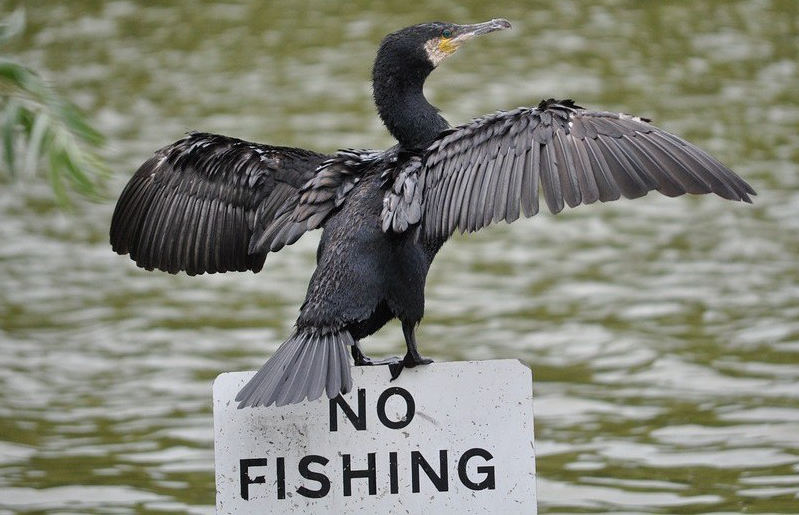
Morten Frederiksen discusses conflicts between wintering cormorants and fisheries, following the recent article, Where do wintering cormorants come from? Long-term changes in the geographical origin of a migratory bird on a continental scale. Cormorants are very efficient predators of fish in shallow waters. They are particularly good at exploiting artificially high densities of fish. Predictably, this has led to widespread conflicts with human fisheries interests. Although fishermen … Continue reading Where do wintering cormorants in Europe come from – and does it matter?