Amidst the resplendence of Munnar’s sky islands

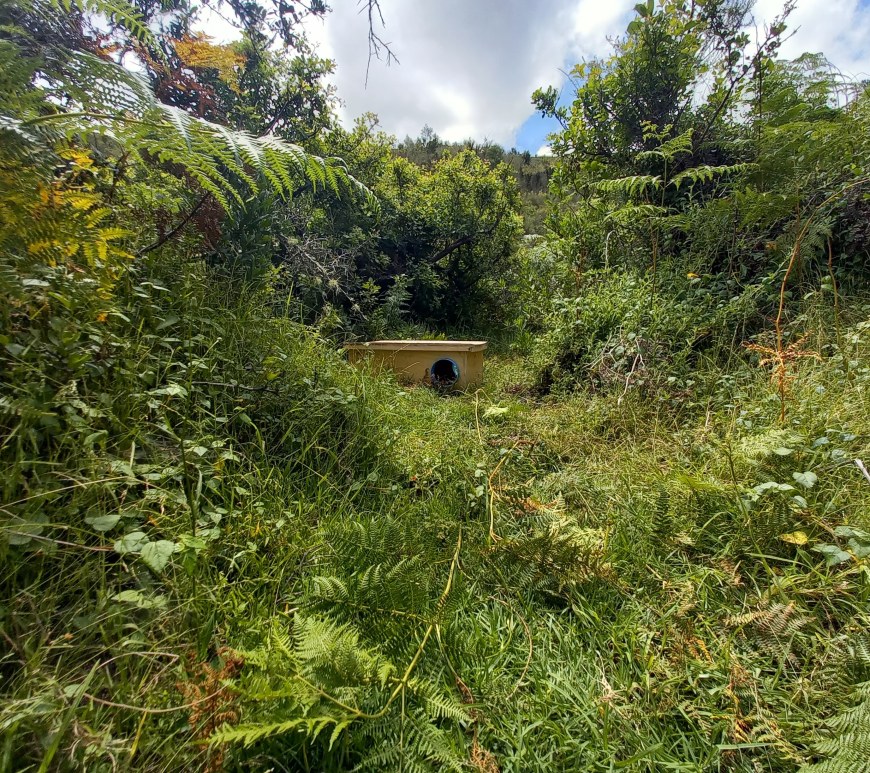
Madhumay Mallik from the Wildlife Trust of India recounts their experience researching grass frogs, and details what is being done to ensure that these and other frog species continue to thrive despite increasing challenges. Far away on the mountain peak were cotton clouds in restless sleep, tossing and turning. Before me, a lush pasture of smooth grass and wild flowers, blanketing a steep terrain and … Continue reading Amidst the resplendence of Munnar’s sky islands

Don’t forget the little guys: improving monitoring efforts for African small carnivores

Small carnivores are ecologically important species and key indicators of environmental change. However, for many of these species, we lack robust information on their conservation status, geographic distribution, and tolerance to anthropogenic threats. In this post, researchers from Nelson Mandela University share their experience with an emerging camera trapping method aimed at improving monitoring efforts for African small carnivores. For a wide array of species, … Continue reading Don’t forget the little guys: improving monitoring efforts for African small carnivores

AI and population monitoring; does it really make a difference?

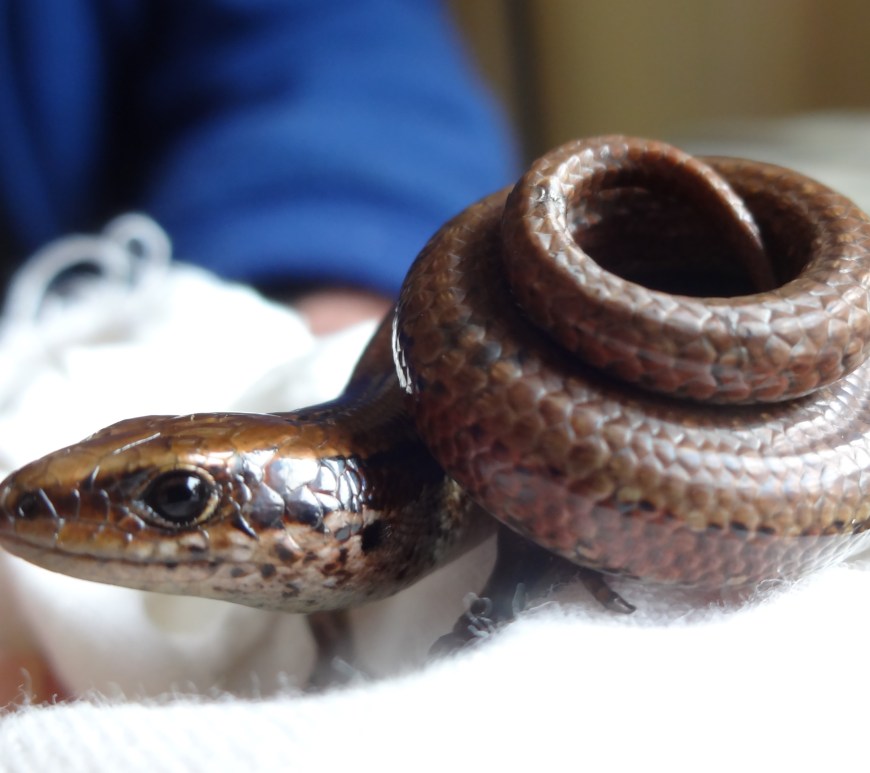
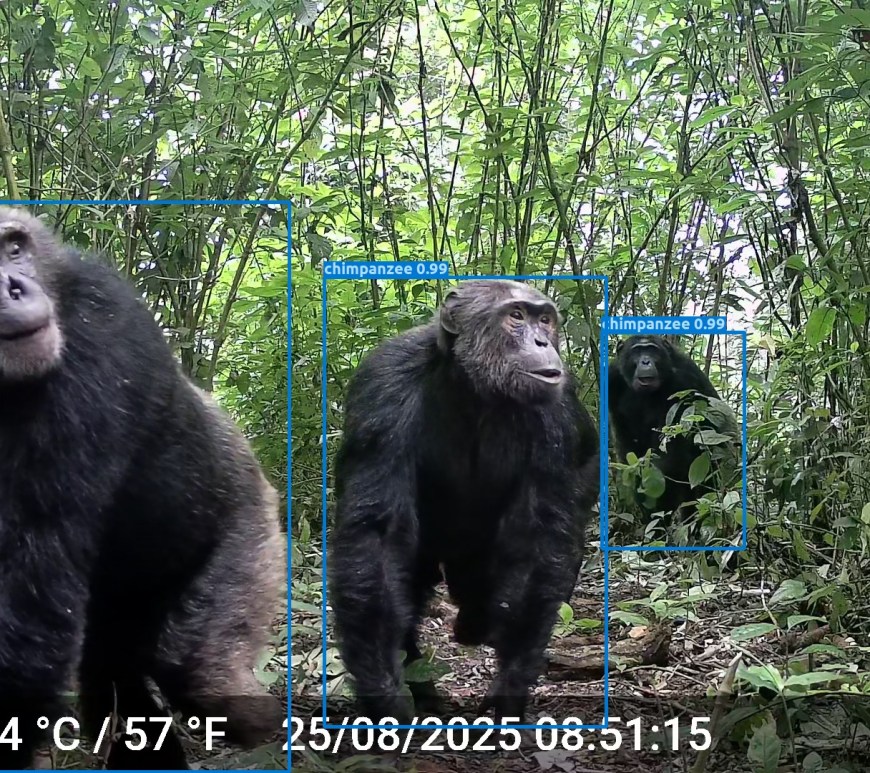
Emily A. Jordan discusses the use of AI in population monitoring and her team’s experience using it to assess the Kapitia skink. In population monitoring, using unique markings to identify individuals is a practical solution when species are challenging to tag. We can camera trap elusive snow leopards, drone-photograph whales, and happily snap our tiniest amphibians. Yet these photographic records bring a fresh challenge. Each … Continue reading AI and population monitoring; does it really make a difference?

The story behind the research: “Combining detection dogs and camera traps improves cheetah monitoring”

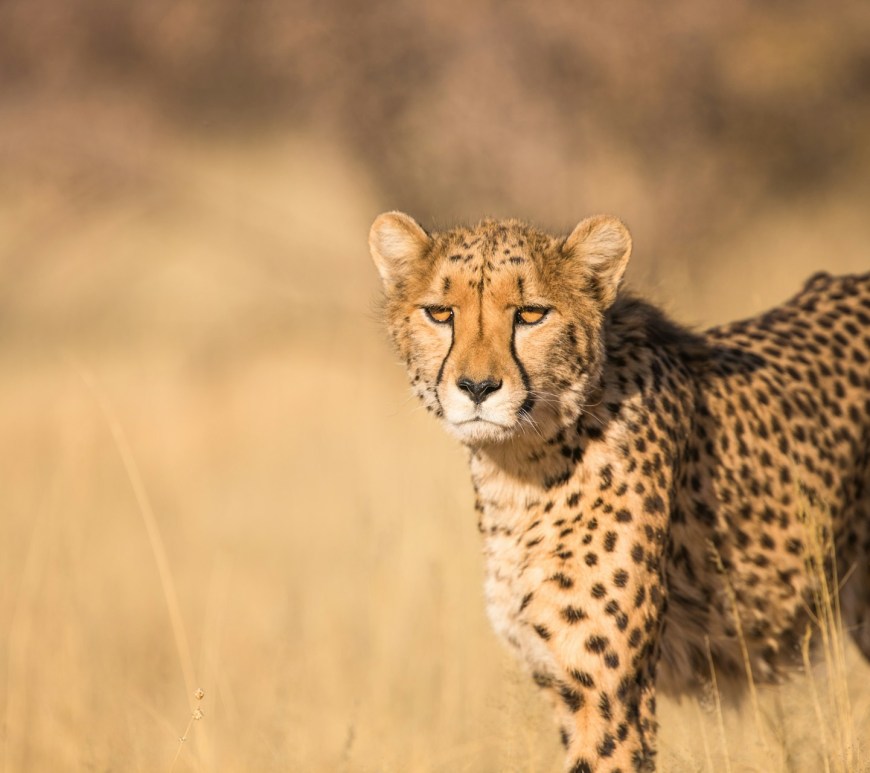
Tim Hofmann and Stijn Verschueren from the Cheetah Conservation Fund in Otjiwarongo, Namibia investigate how to effectively monitor cheetah populations. Cheetahs are Africa’s most endangered big cats, with fewer than 7,100 individuals left in the wild, scattered across less than 9% of their historical range. These estimates are largely based on expert opinions and few well-studied populations. In many parts of the cheetah’s range, we … Continue reading The story behind the research: “Combining detection dogs and camera traps improves cheetah monitoring”

Revealing the hidden lives of non-breeding Black-tailed Godwits

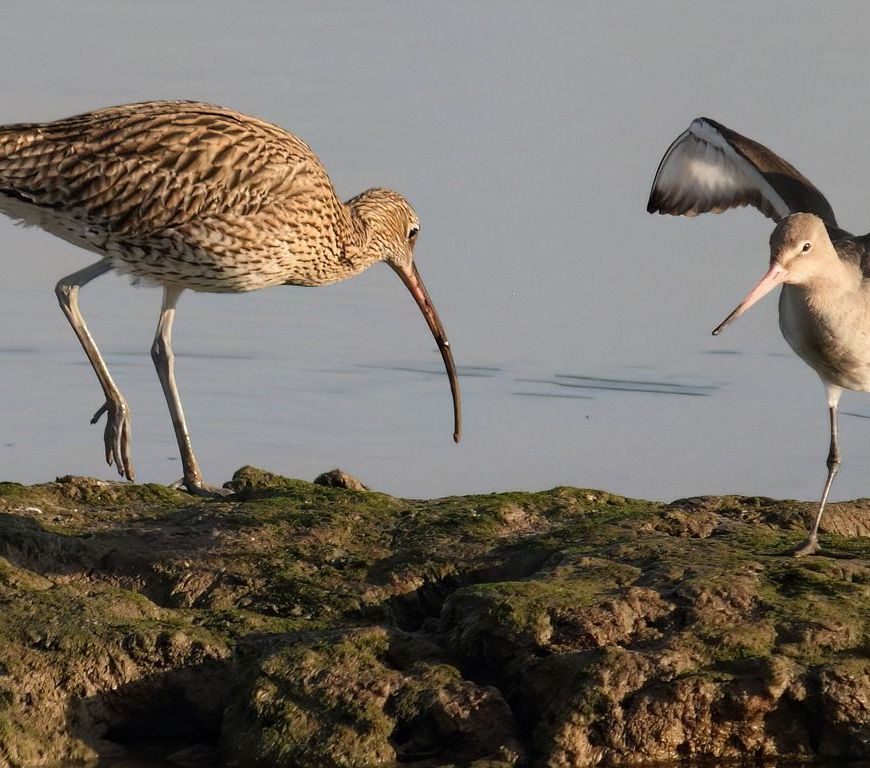
In this blog post, Taylor Craft discusses the use of GPS tracking and satellite imagery to uncover the lives of Black-tailed Godwits in the Senegal Delta. You can read their latest study, published alongside co-authors, here. A pressing challenge The landscapes of the endangered continental Black-tailed Godwit face increasing pressures at nearly every key site along their migratory route. With poor recruitment limiting population growth, … Continue reading Revealing the hidden lives of non-breeding Black-tailed Godwits

Restoring Landscapes: a community effort to restore the Solent’s seagrass

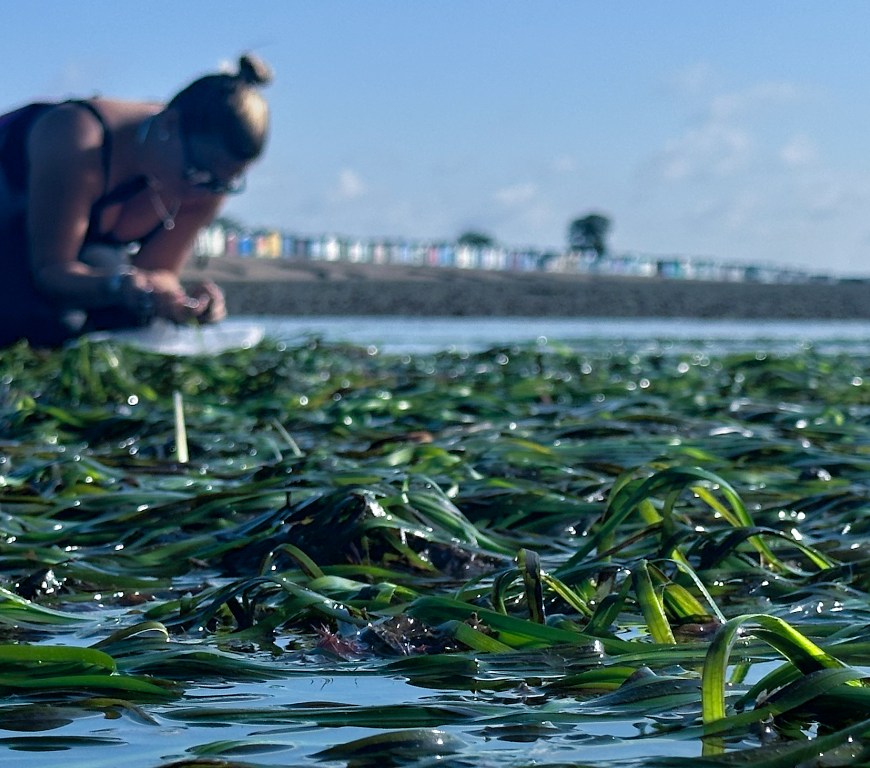
In the ‘Restoring Landscapes’ blog series, we are promoting knowledge exchange from restoration projects around the world. As part of Solent Seascape Project, the Hampshire & Isle of Wight Wildlife Trust and Project Seagrass are partnering to restore a combined total of seven hectares of seagrass beds. Seagrass meadows are internationally important habitats, serving as crucial nursery and spawning grounds for commercially important fish species, … Continue reading Restoring Landscapes: a community effort to restore the Solent’s seagrass

Restoring Landscapes: measuring six years of progress

As part of the ‘Restoring Landscapes’ blog series, Iona Haines shares the launch of a new tool that provides an invaluable resource for anyone interested in restoration, including practitioners, donors and policymakers, and explores why data and transparency are so critical to restoration. The Endangered Landscapes & Seascapes Programme has released in-depth monitoring data from six years of large-scale restoration across Europe, now accessible through … Continue reading Restoring Landscapes: measuring six years of progress

Editor’s Choice 60:12 Mangrove ecological restoration vs climate variability

David Alejandro Sánchez-Núñez, J. Alexandra Rodríguez-Rodríguez and José Ernesto Mancera Pineda talk us through Journal of Applied Ecology’s December’s Editor’s Choice research article. This study demonstrates that climate-smart restoration in mangroves should implement the types of hydrological rehabilitation measures that offset or avoid reinforcing ENSO strong phases. History of cover fluctuations in a strategic mangrove ecosystem The Ciénaga Grande de Santa Marta (CGSM), one of … Continue reading Editor’s Choice 60:12 Mangrove ecological restoration vs climate variability

Our invaded world: India’s quest for ecosystem restoration

Ninad Mungi shares recent work, conducted with colleagues, which involved monitoring India’s levels of invasive plant species. This has knock-on effects for apex predators, such as tigers, who rely on their prey being able to access native species. Introduction In a world grappling with drastic ecological challenges, biological invasions have emerged as a pernicious threat to biodiversity, ecosystem functioning, and global health. While the impacts … Continue reading Our invaded world: India’s quest for ecosystem restoration

Editor’s Choice 60:9 Bat activity falls by over half at solar farms

Author Elizabeth Tinsley summarises Journal of Applied Ecology’s September Editor’s Choice research article. This latest research, conducted alongside colleagues, aimed to assess the impact of solar panel farms on bat activity. The growing need for renewable energy As our planet continues to warm, the need for renewable energy is becoming increasingly urgent. Renewable technologies are important in meeting energy demands sustainably and are of vital importance … Continue reading Editor’s Choice 60:9 Bat activity falls by over half at solar farms