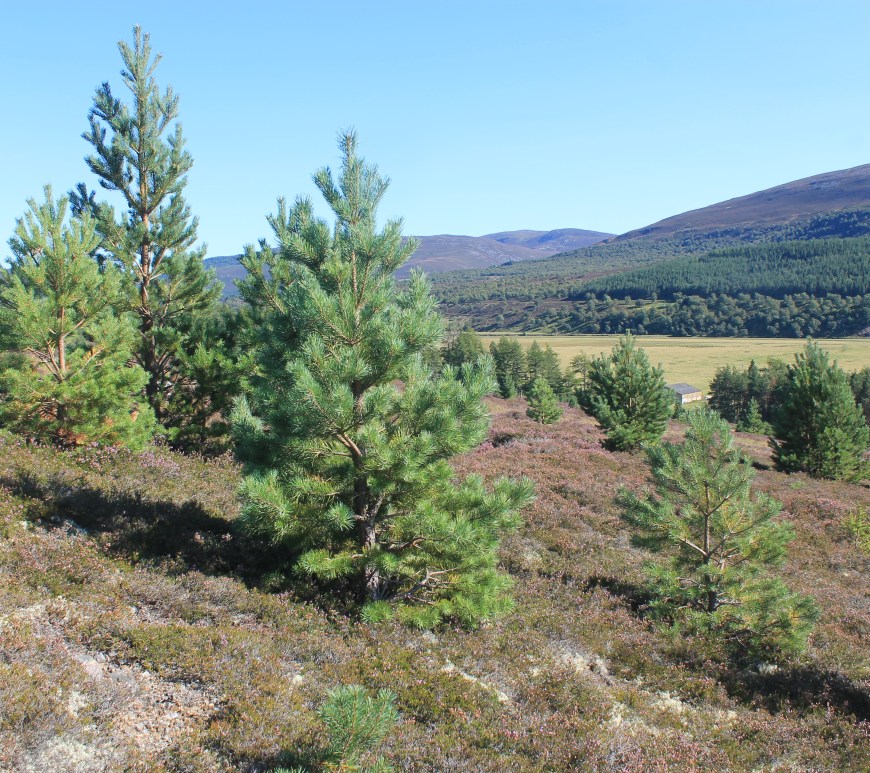
Project to restore and expand Scotland’s ancient forests provides a boost to moth biodiversity

Patrick Cook and his team share their experience investigating how moths respond to a landscape-scale woodland expansion project at Mar Lodge Estate in the Scottish Highlands. Background Upland landscapes in Scotland have a low cover of native woodland yet provides an excellent opportunity to expand woodland cover for biodiversity. For instance, native pinewood now covers less than 18,000 hectares in 84 small areas and an … Continue reading Project to restore and expand Scotland’s ancient forests provides a boost to moth biodiversity

Gypsy moths: Understanding the impact of a dreadful forest pest

In their latest Registered Report, Benjamin Leroy and colleagues outline their methods to review the pathways in which gypsy moth outbreaks, and their subsequent treatment, affect forest ecosystems. To find out more about Registered Reports, read our blog post here. The gypsy moth is a species native to Eurasia and widely considered as one of the most severe pests of temperate forests. The exceptionally voracious … Continue reading Gypsy moths: Understanding the impact of a dreadful forest pest

Least‐cost path analysis for urban greenways planning: A test with moths and birds across two habitats and two cities

Urbanization is a major threat to biodiversity. In a new paper, Balbi and colleagues test the efficiency and ecological validity of least-cost path modelling in predicting effective corridors in urban environments. Urban biodiversity contributes to global biodiversity conservation and provides multiple ecosystem services. The growth of human populations living in urban environments and the associated expansion of urbanized land therefore means that conserving urban biodiversity … Continue reading Least‐cost path analysis for urban greenways planning: A test with moths and birds across two habitats and two cities