Using science to inform policy during adverse weather conditions

Andrew Hoodless discusses new research on the effect of cold weather on the Eurasian woodcock and the recent article Regulation of body reserves in a hunted wader: Implications for cold-weather shooting restrictions. Severe winter weather can place a strain on the energy reserves of birds, sometimes resulting in mortality if adverse conditions persist for more than a few days. There are relatively few studies that … Continue reading Using science to inform policy during adverse weather conditions

Issue 55:3

From fisheries management, to reintroductions and land use policies, here are some highlights from issue 55:3: Addressing global fisheries management challenges in a changing world Our latest Spotlight, showcasing high-quality and topical research Targeted supplementary feeding supports reintroduction of endangered raptors This issue’s Editor’s Choice Is environmental legislation conserving tropical stream faunas? Looking beyond the trees in tropical forest landscapes Evaluating the temporal effectiveness of marine reserves Species recovery … Continue reading Issue 55:3

How could the EU’s LIFE funds enhance conservation in Natura 2000?

Virgilio Hermoso et al. identify prioritisation exercises that could better-distribute conservation funds in the EU in their recent Policy Direction, Spatial prioritisation of EU’s LIFE‐Nature programme to strengthen the conservation impact of Natura 2000. The EU has made significant conservation efforts in the last two decades. Guided by the Birds and Habitats Directives, member States have designated the world´s largest network of protected areas, the Natura … Continue reading How could the EU’s LIFE funds enhance conservation in Natura 2000?

First steps towards active fire management on the Brazilian Cerrado – Primeiros passos em direção ao manejo ativo de fogo no Cerrado

Moving away from zero-fire policy in the Brazilian Cerrado. Associate Editor, Rafael D. Zenni comments on the recent Policy Direction, Fire management in the Brazilian savanna: First steps and the way forward by Schmidt et al. Rafael also provided a Portuguese version  of this post. The journal welcomes blog posts and abstracts in different languages. English version The Brazilian Cerrado is recognised by many as the most … Continue reading First steps towards active fire management on the Brazilian Cerrado – Primeiros passos em direção ao manejo ativo de fogo no Cerrado

Managing non-native species and building a risk assessment checklist

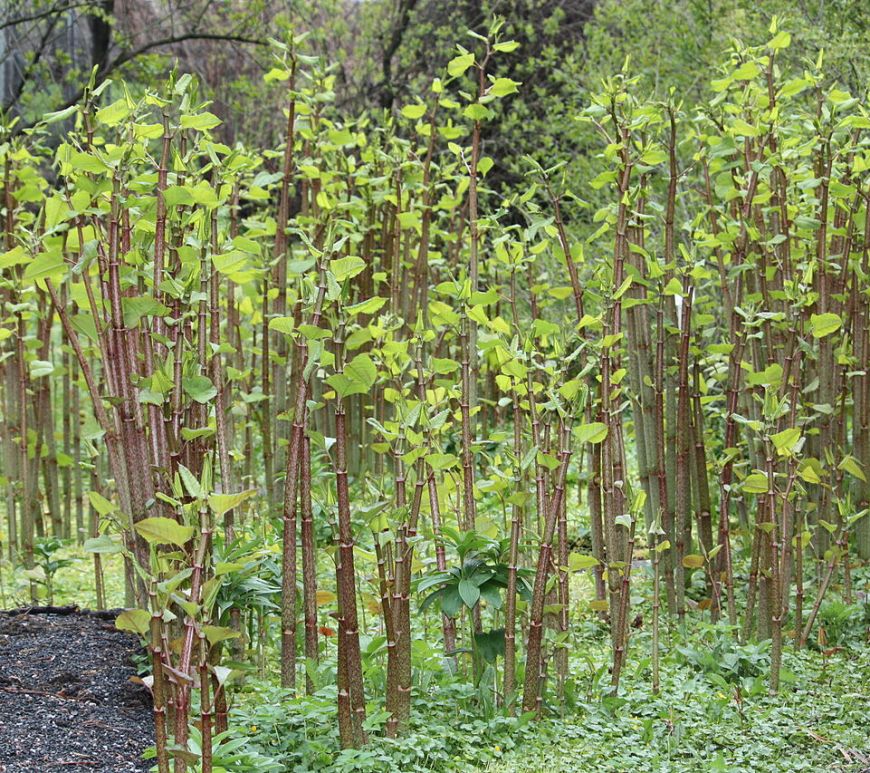
Helen Roy discusses her recent Policy Direction, Developing a framework of minimum standards for the risk assessment of alien species and the challenges of producing a 14-step checklist for quality assurance in invasive species risk assessment. The dramatic rise in numbers of non-native species worldwide is increasingly recognised as problematic. While some non-native species have minimal effects on biodiversity*, and a few may be beneficial, about … Continue reading Managing non-native species and building a risk assessment checklist

A prioritised list of invasive alien species of EU concern

Focusing on invasive species management, Carles Carboneras comments on the recent Policy Direction, A prioritised list of invasive alien species to assist the effective implementation of EU legislation, published in Journal of Applied Ecology and recently featured by BBC News. Alien organisms can cause significant disruption when introduced into a new environment and, for that reason, effective policies on invasive species aim at preventing their … Continue reading A prioritised list of invasive alien species of EU concern

The human influences shaping peatland vegetation communities

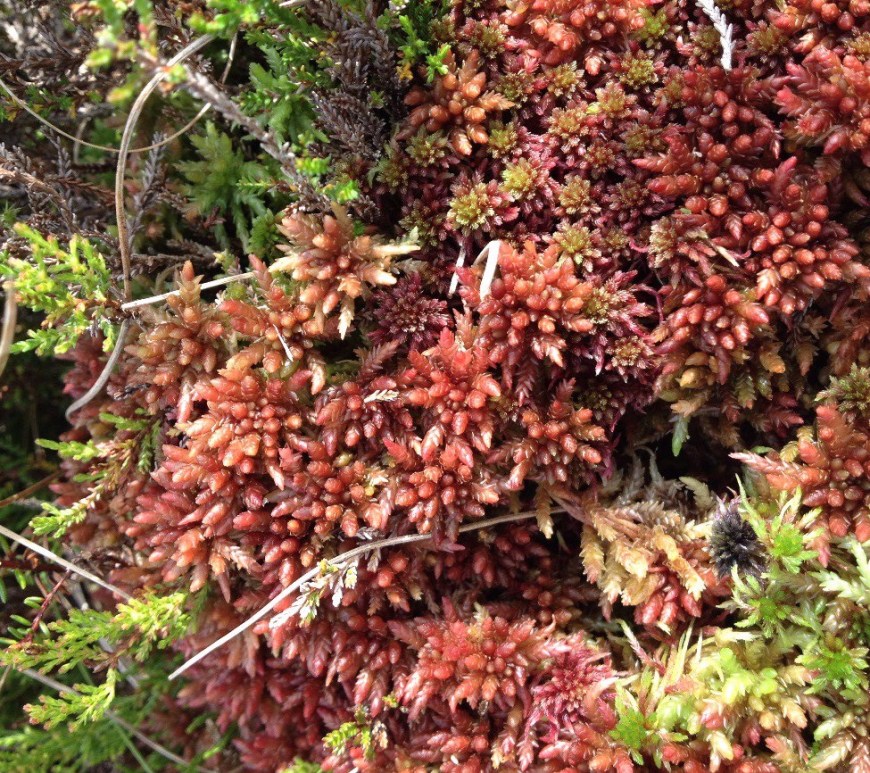
This blog by Alice Noble discusses peatland protection policy and follows her recent article in Journal of Applied Ecology, Prescribed burning, atmospheric pollution and grazing effects on peatland vegetation composition. As sloping expanses of shrubs, sedges and moss where the only sounds are wind, rain and birds, with no people in sight, blanket peatlands can feel like wild and remote places. In the UK, these upland … Continue reading The human influences shaping peatland vegetation communities

Video: Managing animals confiscated from the illegal wildlife trade with the Wildlife Rapid Rescue Team

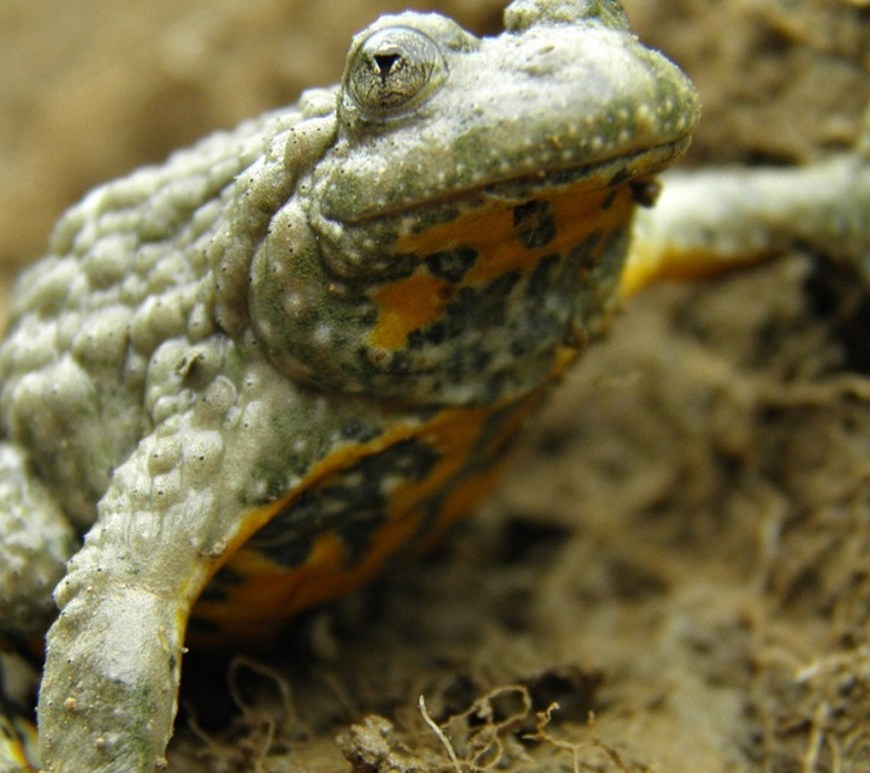
Following his work for the recent Practitioner’s Perspective, Holistic management of live animals confiscated from illegal wildlife trade, Wildlife Alliance’s Director of Science, Dr. Thomas Gray  describes the policy recommendations and conclusions from the paper from the Cardamom Rainforest Landscape in Cambodia. Watch the video and read Tom’s post below. Our Practitioner’s Perspective piece in the Journal of Applied Ecology addresses an often over-looked aspect of the war against … Continue reading Video: Managing animals confiscated from the illegal wildlife trade with the Wildlife Rapid Rescue Team

Innovative measure enables identification of threats to biodiversity

In this post BES Policy Team Intern Rick Parfett discusses a new metric, Relative Impact Potential, which allows rapid and accurate assessment of potential threats to biodiversity and ecosystem services from invasive alien species. The metric was published by Jaimie Dick and colleagues in their article ‘Invader Relative Impact Potential: a new metric to understand and predict the ecological impacts of existing, emerging and future … Continue reading Innovative measure enables identification of threats to biodiversity

Maximising the policy impact of your scientific research

At the recent joint BES and CCI Symposium ‘Making a Difference in Conservation: Improving the Links Between Ecological Research, Policy and Practice’ Journal of Applied Ecology Executive Editor, Marc Cadotte, and Associate Editor and Policy Direction author, Sarah Durant coordinated a workshop on maximising the policy impact of scientific research. In recent years there has been an evolution of the types of papers journals publish … Continue reading Maximising the policy impact of your scientific research