Small fields, big benefits: But only with semi-natural habitats nearby

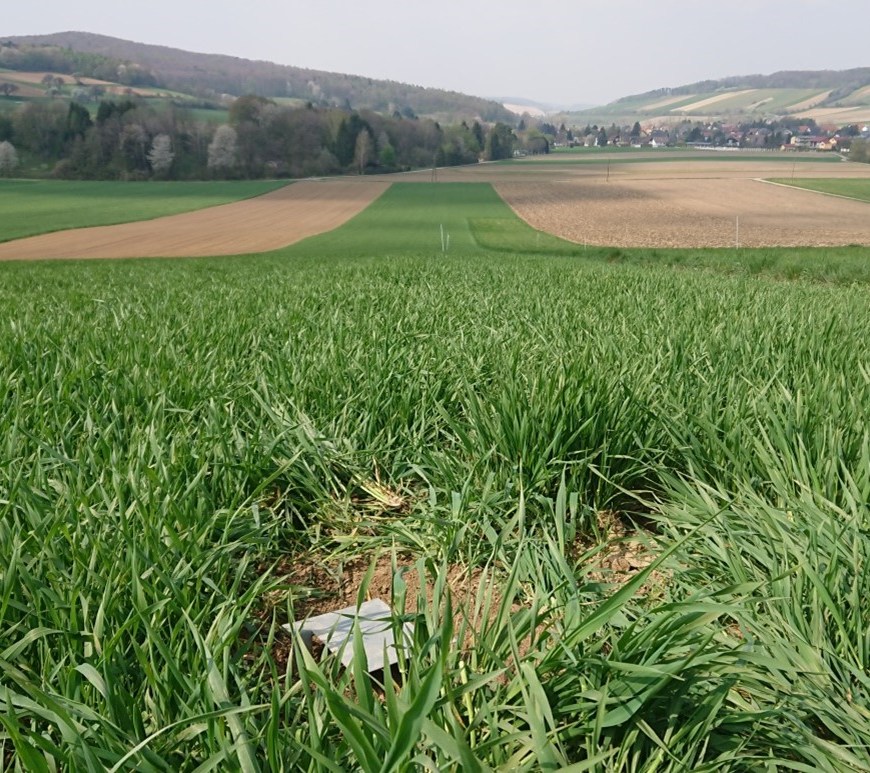
Pollinators, like bumblebees, are essential for agriculture, yet they’re declining due to landscape simplification and habitat loss. In this blog post, Riho Marja and colleagues tell us more about their study. Riho Marja and his team explored the effect of field size on Bumble bee populations in Austria and Hungary. They explored this by setting up 56 commercial bumblebee colonies in Eastern Austria and Western … Continue reading Small fields, big benefits: But only with semi-natural habitats nearby

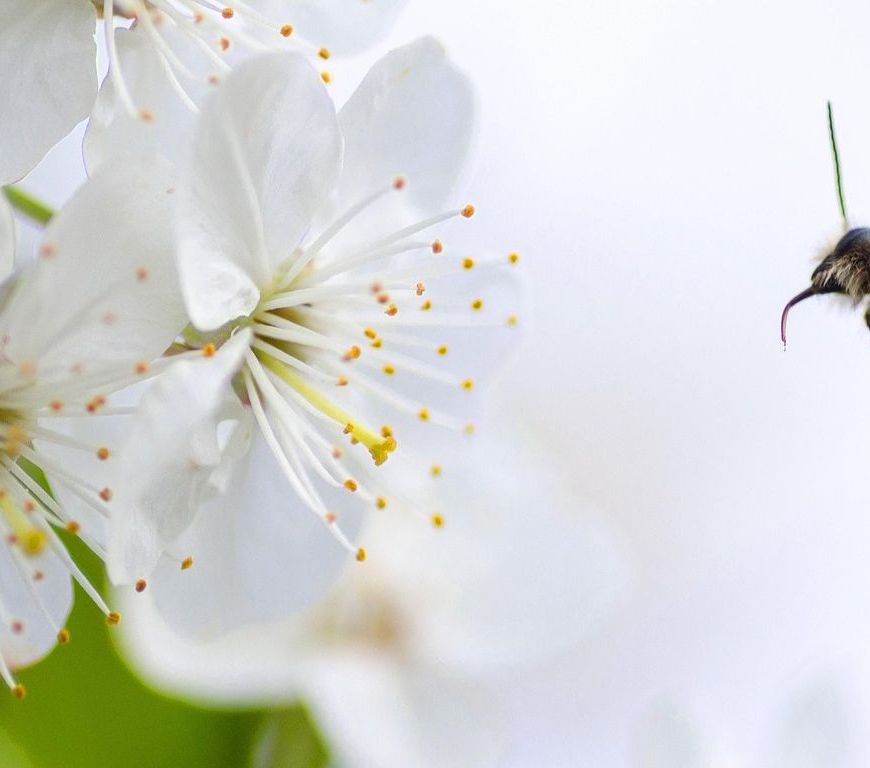
Kaixuan Pan: Dutch landscapes have lost insect-pollinated plants over the past 87  years

Shortlisted for the 2024 Southwood Prize Kaixuan Pan discusses recent research which assessed the changes in occurrences of plants pollinated by different modes, and explored the persistence of the observed changes under different environmental conditions. About the research Overview Our paper explores how plant communities in the Netherlands have changed over the past 87 years. By analyzing historical and contemporary vegetation data, we examined how … Continue reading Kaixuan Pan: Dutch landscapes have lost insect-pollinated plants over the past 87  years

Honeybees interfere with wild bees in apple pollination in China

In this blog post, Yunhui Liu and team discuss their latest research into the importance of honeybees and wild bees for apple pollination, as well as whether the contribution of wild bees is influenced by increasing numbers of honeybees. Animal pollination is crucial for sustainable crop production and food security. Although there is a growing reliance on pollinators in crop production, global reports indicate a … Continue reading Honeybees interfere with wild bees in apple pollination in China

Smart orchard design improves crop pollination

In their new research article, Mina Anders (University of Göttingen, Germany) and colleagues compared the effects of agronomic practices, including agronomic inputs (irrigation and managed honey bees), orchard design without external inputs (spatial orchard structure), and landscape factors on nut production in South African macadamia orchards. The need for sustainable agricultural practices Conventional agricultural intensification causes biodiversity loss and environmental degradation. To reduce these impacts, … Continue reading Smart orchard design improves crop pollination

Semi-natural grassland strips promote agricultural biodiversity depending on species characteristics

New research by Maas and colleagues shows how the interplay between species-specific traits, functions, and services can inform more targeted, sustainable management of agricultural biodiversity. Agricultural biodiversity is declining worldwide, and its conservation does not work through one-size-fits-all solutions. Species respond differently to agricultural developments and new management measures, depending on their individual characteristics – which has major implications for the management of species-specific functions … Continue reading Semi-natural grassland strips promote agricultural biodiversity depending on species characteristics

What limits bumblebee populations on farmland?

A new study by Timberlake and colleagues finds that late summer nectar supply on farmland has an important influence on bumblebee colony density the following year – does this offer an opportunity to devise more targeted agri-environment schemes for pollinators? Pollen and nectar are the primary food source for most adult pollinators, and in the case of bees, their larvae too. It is no surprise … Continue reading What limits bumblebee populations on farmland?

Infographic: Pollinator monitoring more than pays for itself

New research from Breeze and colleagues demonstrates that a well-designed monitoring scheme provides  excellent value for money, compared with traditional research funding models, and could help save species and protect UK food security. This infographic provides an overview of their work. ‘Our findings demonstrate that long‐term systematic monitoring can be a cost‐effective tool for both answering key research questions and setting action points for policymakers. … Continue reading Infographic: Pollinator monitoring more than pays for itself

Biodiversity in West African parklands promotes pollination of shea

With demand on shea parklands increasing, Aoife Delaney and colleagues explore the pollination services to shea and how we can better support this resource of both ecological and economic importance. Their new research was recently published in Journal of Applied Ecology. Shea parklands occupy over 1 million km2 in the Sudano-Sahelian semi-arid zone of sub-Saharan Africa, from Senegal in the west to Uganda in the … Continue reading Biodiversity in West African parklands promotes pollination of shea

Editor’s Choice 57:03 – The economic implications of pollination by bats

For our March Editor’s Choice, Michael Pocock (Associate Editor) highlights the importance of recent research by Tremlett et al into pollination by bats and the value this brings to communities in Mexico. The slideshow above of images by César Guzmánr shows the journey of the pitaya fruit, for which bats are of key importance, from growth to market. One of the reoccurring themes in applied … Continue reading Editor’s Choice 57:03 – The economic implications of pollination by bats

Loss of bumblebees is a loss to farmers 

New research by Néstor Pérez‐Méndez et al. highlights the economic implications of declining pollinator species. Here the authors summarise their work. Recent expansion and intensification of agriculture to meet growing food demands is among the main drivers of the alarming loss of insect diversity worldwide. This decline can lead to a marked degradation of the ecosystem services that insects provide, such as pollination or regulation of crop … Continue reading Loss of bumblebees is a loss to farmers