Why bats matter when it comes to pollination

In their recently published article, Tremlett et al. call for greater management focus for wild bat pollinator populations due to the ecosystem services they provide for valuable crops. Here they share a video of bat feeding in action and explain a little more about their work. *Update March 2020. The corresponding article to this video features as the Editor’s Choice for issue 57:03. Read Associate … Continue reading Why bats matter when it comes to pollination

Protecting pollinators through better road verge management

In their recent study, Ben Phillips and colleagues reveal the importance of road verges as habitats for pollinators, as well as the negative impacts of current management actions. But how can we improve the situation? Most of us spend a good part of our days travelling on roads. The remains of the animals that stare back at us from the asphalt – the victims of … Continue reading Protecting pollinators through better road verge management

Mind the gap: why flower timing matters to farmland pollinators

A new study by Thomas Timberlake et al. reveals seasonal ‘hunger gaps’ in farmland nectar supplies, which could be limiting pollinator populations. But does this offer an opportunity to devise more targeted and cost-effective conservation and agri-environment schemes for pollinators? Nectar and pollen are crucial resources which give bees and other pollinators the energy and protein they need to fly around, reproduce and maintain their … Continue reading Mind the gap: why flower timing matters to farmland pollinators

Horse grazing restores plant diversity and pollinator habitat use

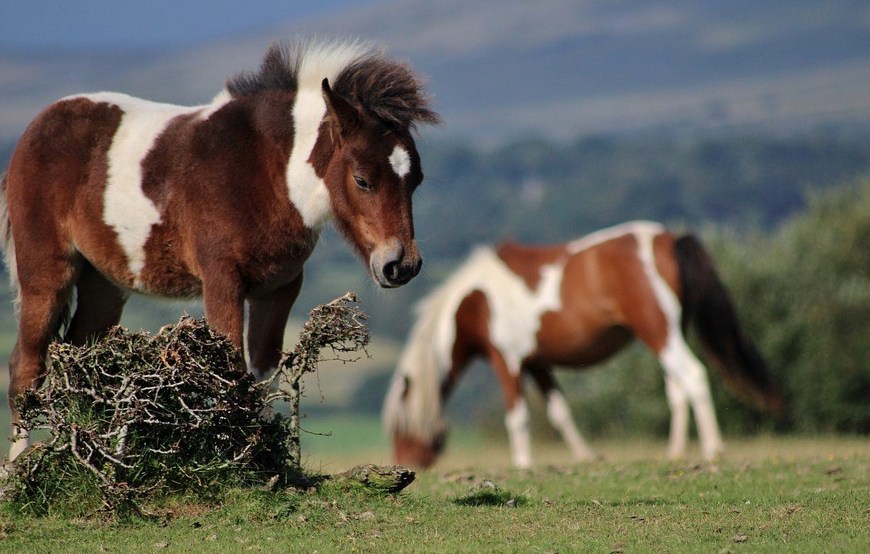
Associate Editor, Meredith Root-Bernstein discusses the short-term effects of rewilding projects and the recently published paper, Experimental rewilding enhances grassland functional composition and pollinator habitat use by Garrido et al. Rewilding has attracted attention as an emerging approach to nature conservation in areas where large animals and their ecosystem functions are missing. In Europe, ecological processes carried out by large herbivores may have been significantly … Continue reading Horse grazing restores plant diversity and pollinator habitat use

Editor’s Choice 56:4 – A worm in the apple

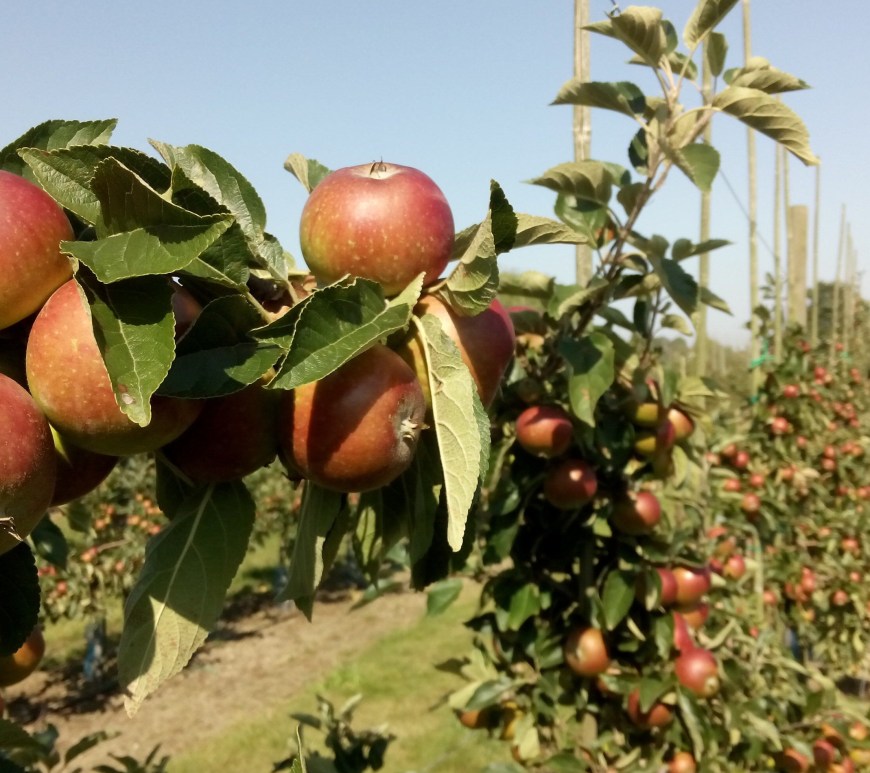
Issue 56:4’s Editor’s Choice, Management trade-offs on ecosystem services in apple orchards across Europe: Direct and indirect effects of organic production highlights the need for more environmentally friendly pest control approaches in order to keep up with increasing production demands and avoid damage to pollination services. Associate Editor, Juan Corley, comments on the article. Strategy to minimize the negative effects of pests and weeds is … Continue reading Editor’s Choice 56:4 – A worm in the apple

Bumblebees are frequent flyers – what are the impacts?

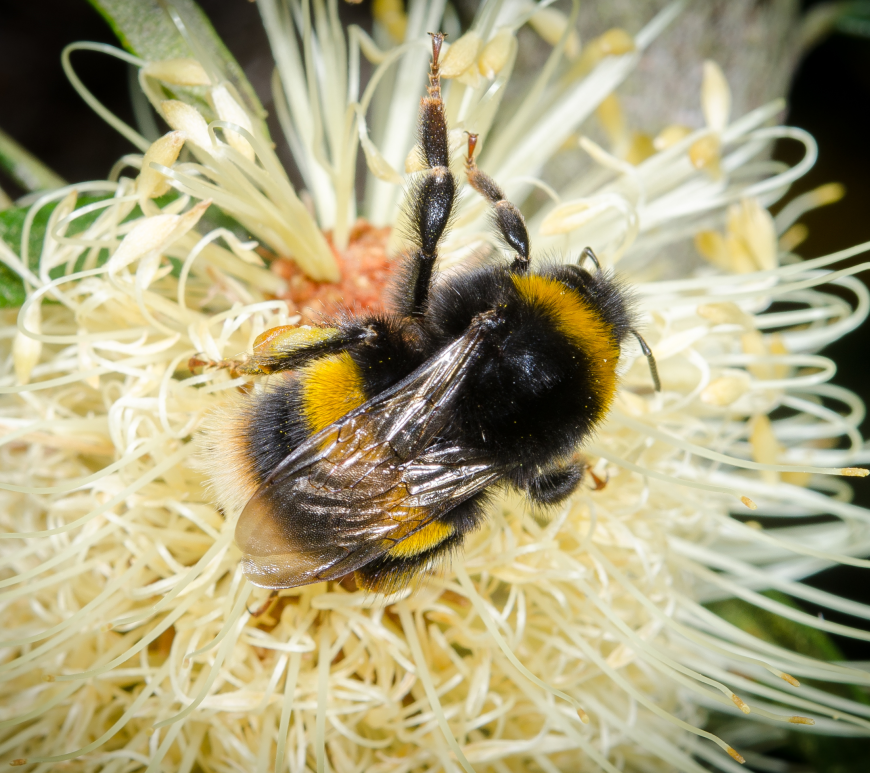
Addressing pollinator introduction policy and the effects introduced species can have on local ecosystems, Romina Rader, Manu Saunders and Tobias Smith discuss the recent Policy Direction, Coordinated species importation policies are needed to reduce serious invasions globally: The case of alien bumblebees in South America by Aizen et al. Bumblebees (Bombus spp.) are large, iconic pollinators of many wild flowers and crops.  Their ability to … Continue reading Bumblebees are frequent flyers – what are the impacts?

Ensuring sustainable açaí fruit production in the Amazon river delta

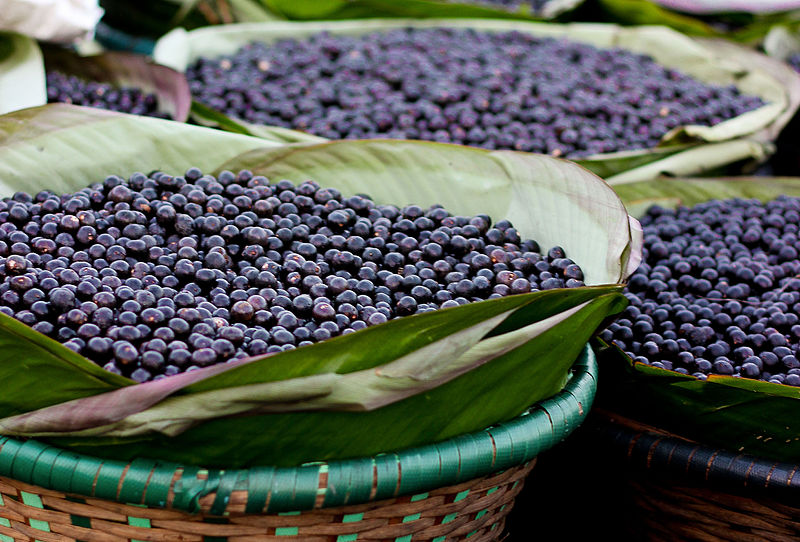
With açaí fruit becoming increasingly popular, it is important to understand how farming management practices are affecting vital pollination services. Associate Editor, Ainhoa Magrach comments on the recent article, Anthropogenic disturbance of tropical forests threatens pollination services to açaí palm in the Amazon river delta by Campbell et al. Worldwide the demand for the berries of the açaí palm is increasing. These anti-oxidant rich foods have … Continue reading Ensuring sustainable açaí fruit production in the Amazon river delta

Strawberry fields forever – with Spanish translation

In this post, Associate Editor, Cristina Garcia comments on the effects of pesticides on pollinators and the recent article by Horth & Campbell, Supplementing small farms with native mason bees increases strawberry size and growth rate. Cristina has also provided a Spanish translation of this post. Most plant species, including crops, require mutualistic interactions with animals to pollinate their flowers and fulfill their demographic cycle. The … Continue reading Strawberry fields forever – with Spanish translation

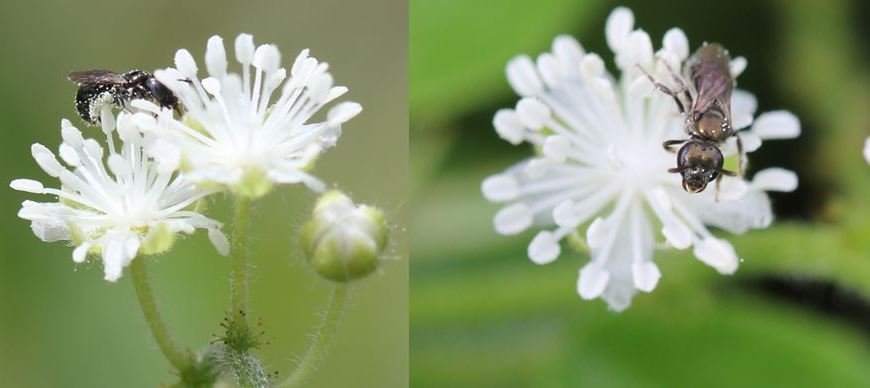
Success of sweat bees on hot chillies in traditional slash-and-burn agriculture – with Spanish translation

In this post Patricia Landaverde-González discusses her recent paper ‘Sweat bees on hot chillies: provision of pollination services by native bees in traditional slash-and-burn agriculture in the Yucatán Peninsula of tropical Mexico‘ Patricia has also provided a Spanish translation of this post to reach out to Spanish readers interested in this topic. Journal of Applied Ecology is dedicated to making papers more accessible for an … Continue reading Success of sweat bees on hot chillies in traditional slash-and-burn agriculture – with Spanish translation

Honeybees and the boom and bust cycle of mass flowering crops

In this post Associate Editor Romina Rader discusses a recent paper she handled from Fabrice Requier and colleagues ‘The carry-over effects of pollen shortage decrease the survival of honeybee colonies in farmlands‘ When we think about pollinators within intensive agricultural systems, mass flowering crops (MFCs) seemingly act as both heroes and villains.  On the upside, many pollinators congregate at local mass flowering crops during the … Continue reading Honeybees and the boom and bust cycle of mass flowering crops