Local and landscape scale factors influence pollinators at solar parks

Authors Hollie Blaydes and Alona Armstrong describe their latest research to better understand how pollinators respond to increasing solar park developments. Ground mounted solar parks are becoming increasingly common features of our landscapes and are set to play a pivotal role on the path to net zero. Currently taking up ~15,000 hectares across the UK, more land will be needed for solar parks to meet … Continue reading Local and landscape scale factors influence pollinators at solar parks

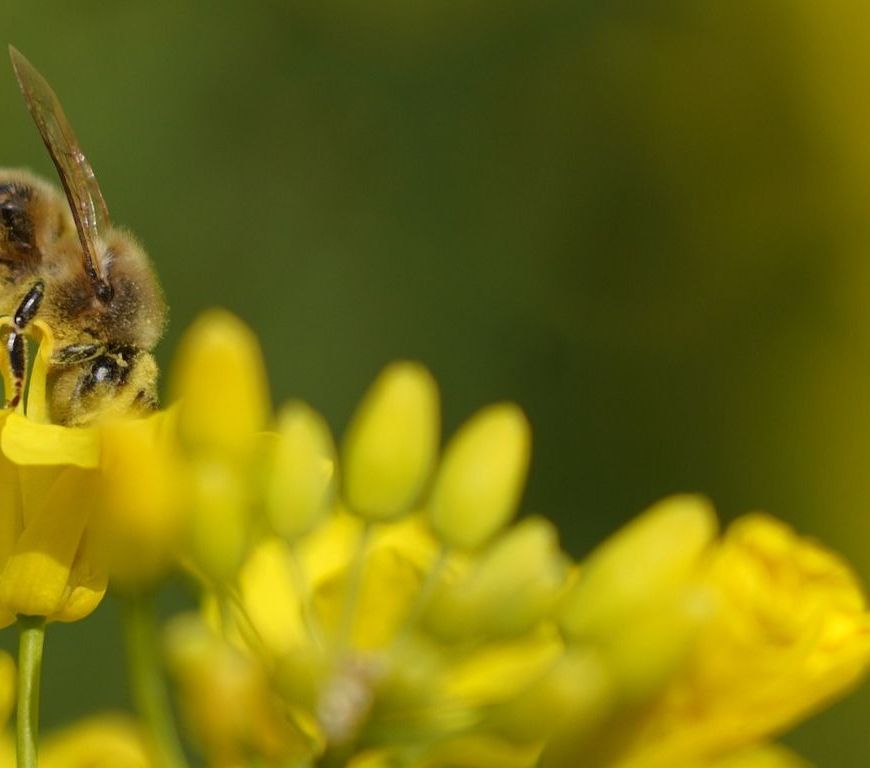
Unravelling the seasonal dance: How flowering crops impact wild pollinators

Laura Riggi talks us through the latest research, conducted with colleagues, which confirms that mass-flowering crop cultivation alone is unlikely to be sufficient for maintaining pollinators. However, as part of carefully designed diverse crop rotations or mixtures combined with the preservation of permanent non-crop habitats, it might provide valuable supplementary food resources for pollinators in temperate agroecosystems, particularly later in the season when alternative flower … Continue reading Unravelling the seasonal dance: How flowering crops impact wild pollinators

What limits bumblebee populations on farmland?

A new study by Timberlake and colleagues finds that late summer nectar supply on farmland has an important influence on bumblebee colony density the following year – does this offer an opportunity to devise more targeted agri-environment schemes for pollinators? Pollen and nectar are the primary food source for most adult pollinators, and in the case of bees, their larvae too. It is no surprise … Continue reading What limits bumblebee populations on farmland?