What determines the rarity of large carnivores in the Omo Valley of Ethiopia?

Asfaw et al. investigate the presence of large carnivores in the Omo Valley of Ethiopia and share their experience. Populations of large carnivores have been declining in Ethiopia for many years due to a range of factors including reduced prey populations, pressure from neighbouring human settlements, habitat fragmentation and loss, and low political interest in conservation. Yet large carnivores, including the African wild dog, cheetah, … Continue reading What determines the rarity of large carnivores in the Omo Valley of Ethiopia?

AI and population monitoring; does it really make a difference?

Emily A. Jordan discusses the use of AI in population monitoring and her team’s experience using it to assess the Kapitia skink. In population monitoring, using unique markings to identify individuals is a practical solution when species are challenging to tag. We can camera trap elusive snow leopards, drone-photograph whales, and happily snap our tiniest amphibians. Yet these photographic records bring a fresh challenge. Each … Continue reading AI and population monitoring; does it really make a difference?

Editor’s Choice 60:10 Can management measures be used to reduce the impact of extreme events in the early life of fish?

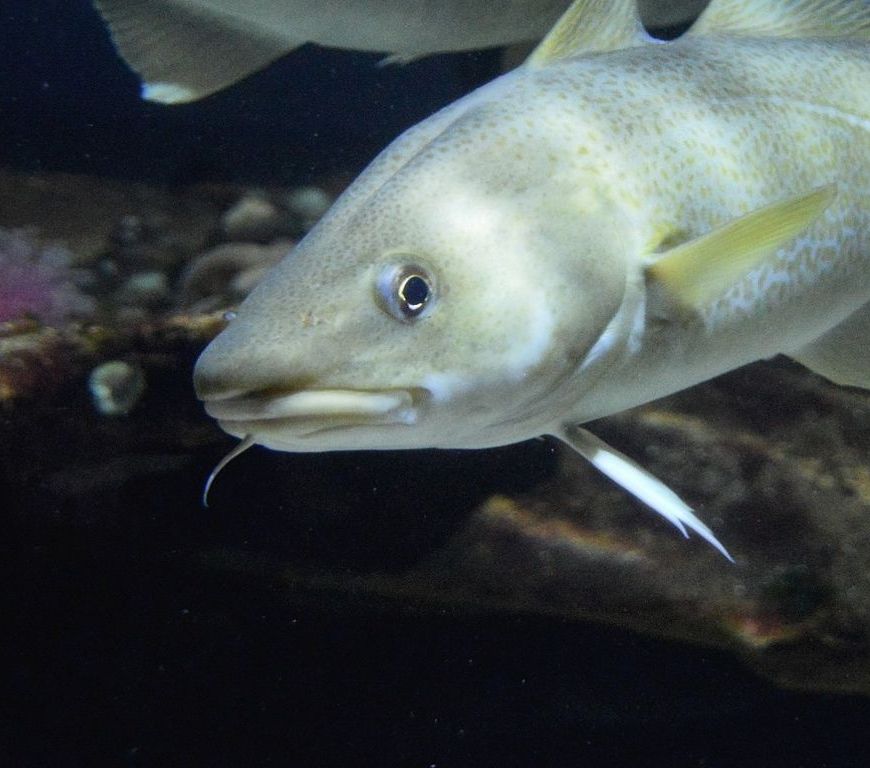
Author Lucie Buttay summarises Journal of Applied Ecology’s October’s Editor’s Choice research article. Conducted with colleagues, this study used a life cycle model to simulate ‘what if’ scenarios around Northeast Arctic cod eggs and larvae. Extreme climatic events, (e.g. heat waves and storms) are becoming more frequent and intense, and on top of that, the ever-growing development of human activities at sea, entails an increasing … Continue reading Editor’s Choice 60:10 Can management measures be used to reduce the impact of extreme events in the early life of fish?

The bear necessities of grizzly bear population recovery in Alberta, Canada

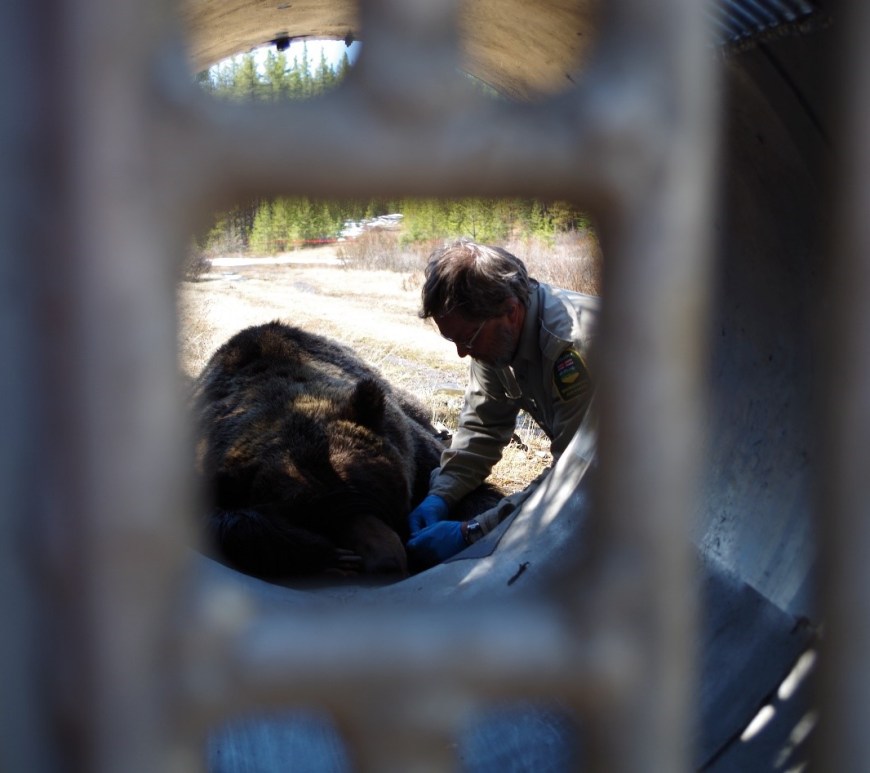
In our latest Practitioner’s Perspective, Towards grizzly bear population recovery in a modern landscape, Sean Coogan explains how new, multi-disciplinary approaches are being used to protect Canada’s threatened grizzly bears. The management and conservation of large carnivores can be socially controversial and politically charged. To make matters more complicated, the data required to make effective scientifically-informed management decisions may be lacking, or extremely difficult to … Continue reading The bear necessities of grizzly bear population recovery in Alberta, Canada

How to recover endangered raptor species: the Spanish imperial eagle as a case study

Rounding up our Endangered Species Day series, Miguel Ferrer demonstrates how scientists and managers can work together and succeed in conservation efforts. Ferrer et al.’s paper, Reintroducing endangered raptors: A case study of supplementary feeding and removal of nestlings from wild populations, was our Editor’s Choice article for issue 55:3.  Recently, we published a paper about supplementary feeding of large raptors as a method to increase productivity … Continue reading How to recover endangered raptor species: the Spanish imperial eagle as a case study

Process driving pattern: the long-term impact of a transmissible cancer on Tasmanian devils

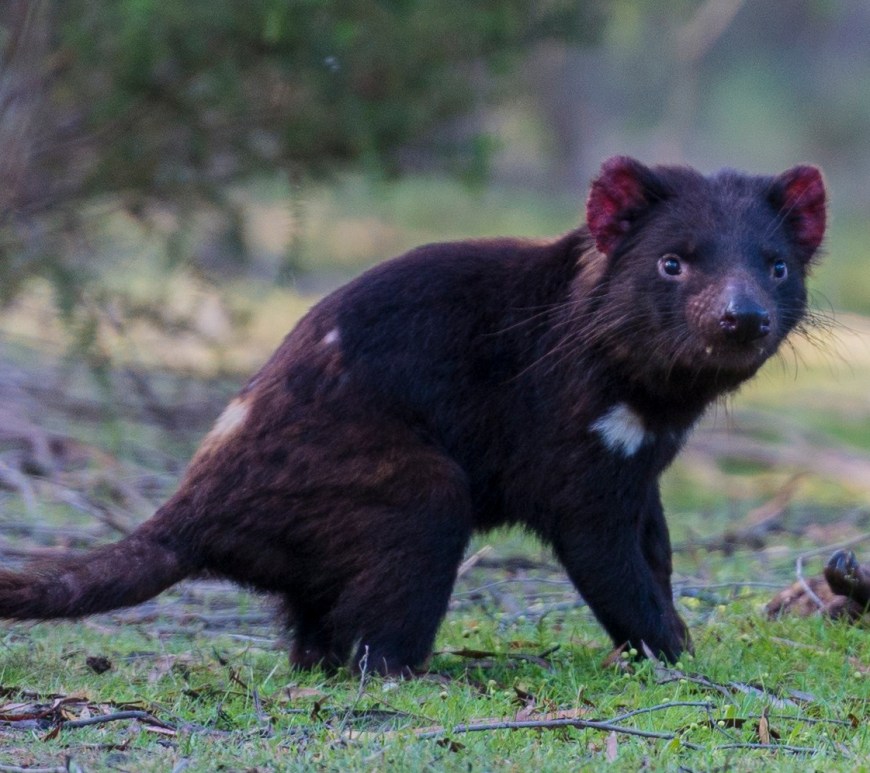
Billie Lazenby (Save the Tasmanian Devil Program) discusses new research into devil facial tumour disease and the recent article, Density trends and demographic signals uncover the long-term impact of transmissible cancer in Tasmanian devils. Tracking population trends, particularly in response to a threat, is an essential component of conservation management. Moreover understanding what is driving these trends gives insight into whether they are likely to be … Continue reading Process driving pattern: the long-term impact of a transmissible cancer on Tasmanian devils

Tracking restoration of population diversity via the portfolio effect

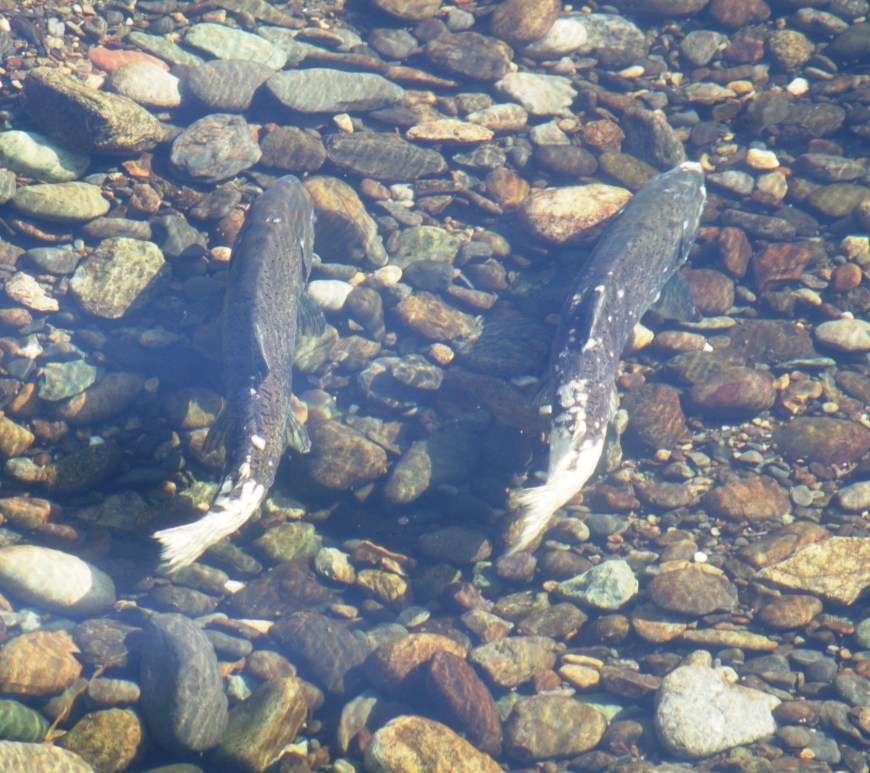
In this week’s blog, Associate Editor, Andre Punt comments on the recent paper by Yamane et al. Tracking restoration of population diversity via the portfolio effect. Many fisheries are managed to avoid populations dropping below threshold levels, and closing them to harvest when this happens. The implications of closures can be substantial for those who gain commercial or recreational benefits from harvest, as well as … Continue reading Tracking restoration of population diversity via the portfolio effect