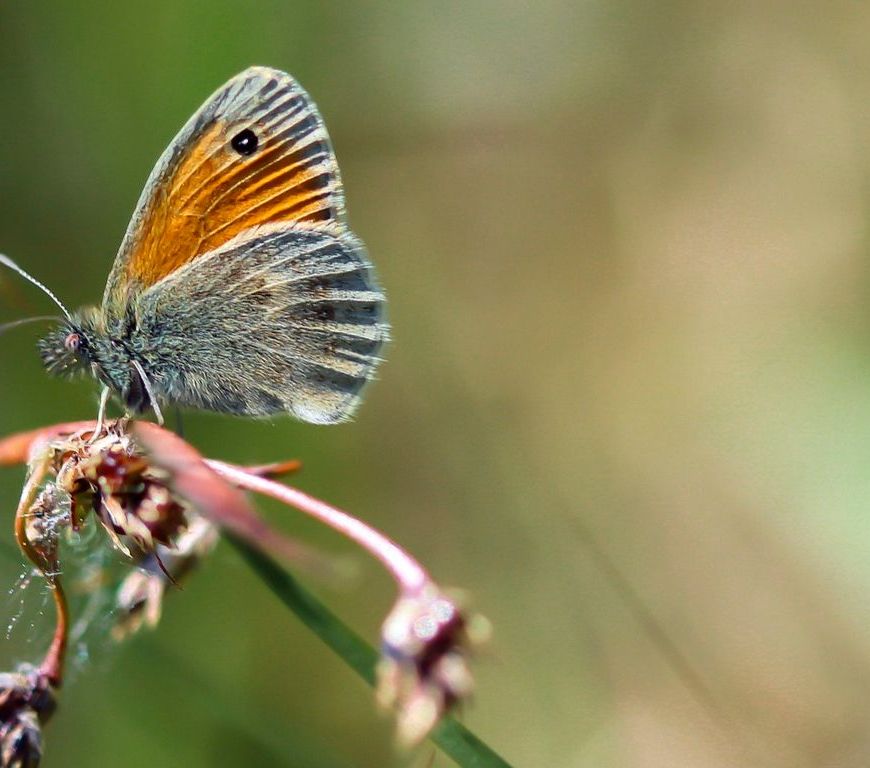
Using management interventions to help at-risk butterflies in a changing climate

Author Cheryl Schultz talks us through a new study which highlights the importance of active management interventions in helping to buffer effects of climate change, and helping to improve population trends for at-risk butterflies. Where did the idea come from? With extensive coverage in academic and popular publications, the widespread decline of butterflies is well-known. Butterflies face a triumvirate of threats: the cumulative effects of … Continue reading Using management interventions to help at-risk butterflies in a changing climate

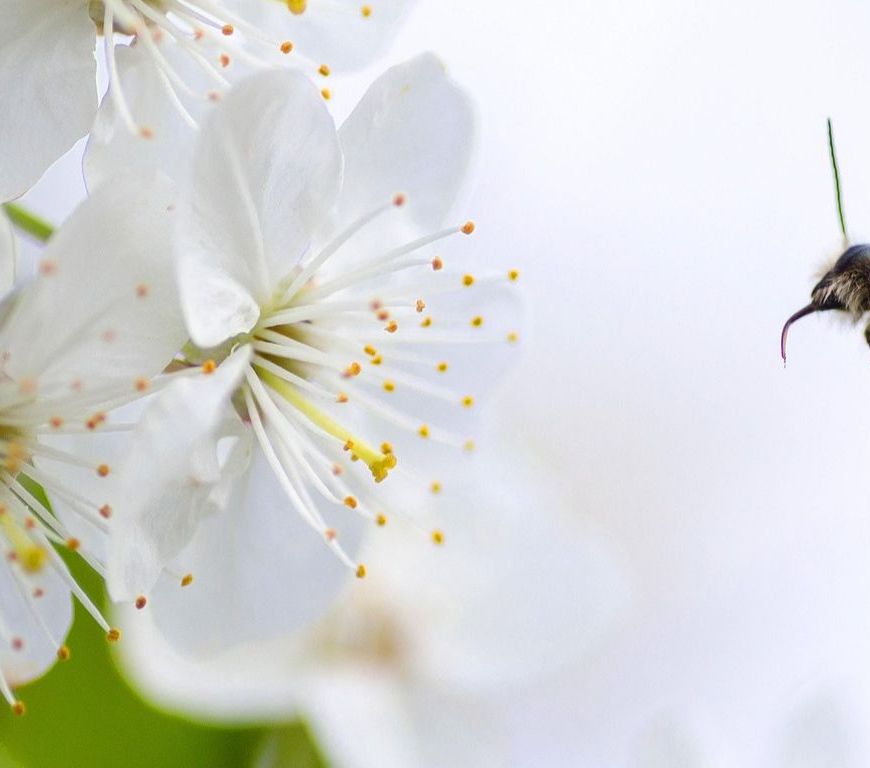
SolBeePop: A model of solitary bee populations in agricultural landscapes

Amelie Schmolke discusses recent work, conducted alongside colleagues, which involved the development of a trait-based model for solitary bees. Schmolke et al were able to model management scenarios and possible outcomes for bee species with incomplete trait data. An introduction to bees When thinking about bees, people often think of the honey bee. But there are over 20,000 species of bees in the world, most … Continue reading SolBeePop: A model of solitary bee populations in agricultural landscapes

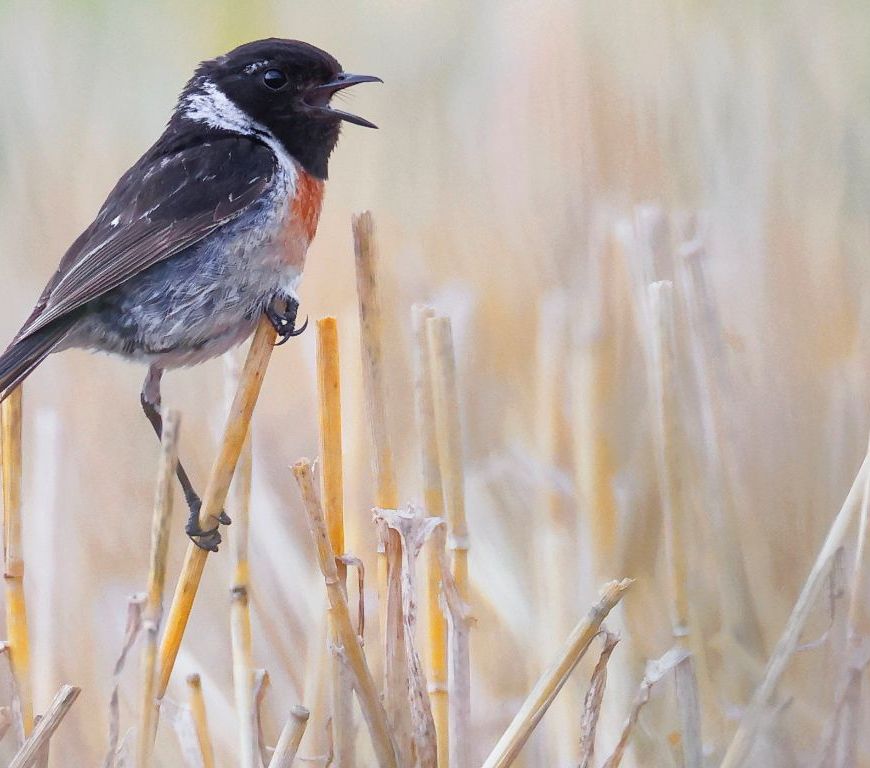
How much agri-environment provision is required to reverse farmland bird declines?

Dr Robert Hawkes, RSPB Conservation Scientist, explains the findings of a recently published article. Here, RSPB and BTO scientists, in partnership with Natural England, explore how much bird-friendly agri-environment management is needed to stabilise or reverse farmland bird declines. The UK government has recently committed to halting species abundance declines in England by 2030, with similar timebound EU targets currently under discussion. With many species … Continue reading How much agri-environment provision is required to reverse farmland bird declines?

African forest elephants are really slow breeders

In this post, Associate Editor Johan du Toit discusses new Policy Direction “Slow intrinsic growth rate in forest elephants indicates recovery from poaching will require decades” by Andrea Turkalo, Peter Wrege, and George Wittemyer, published today. Intrinsic population growth is related to body mass The rate at which a population grows (r) under ideal conditions with no resource limitation, disease, or predation, is governed by … Continue reading African forest elephants are really slow breeders

Differences in the shape of wildlife population declines can guide conservation action

In this post Martina Di Fonzo discusses her paper ‘Patterns of mammalian population decline inform conservation action‘ published in Issue 4 of Journal of Applied Ecology, online today. Wildlife monitoring programmes play a key role in understanding ecological systems and this information forms the basis of many management decisions and conservation actions. Monitoring population declines, in particular, is an important step in tackling biodiversity loss, … Continue reading Differences in the shape of wildlife population declines can guide conservation action