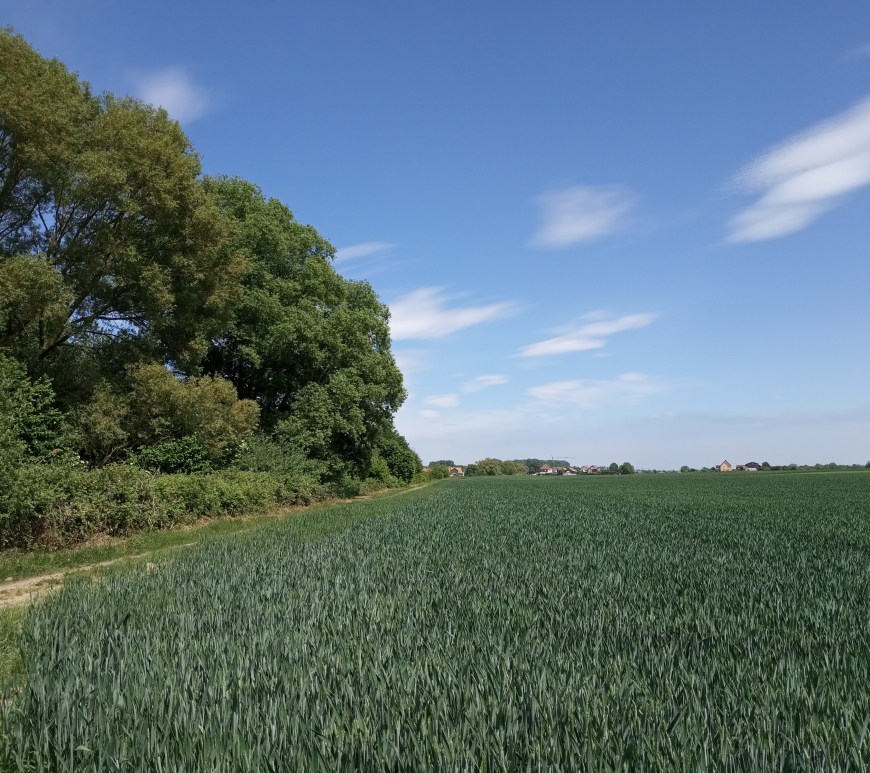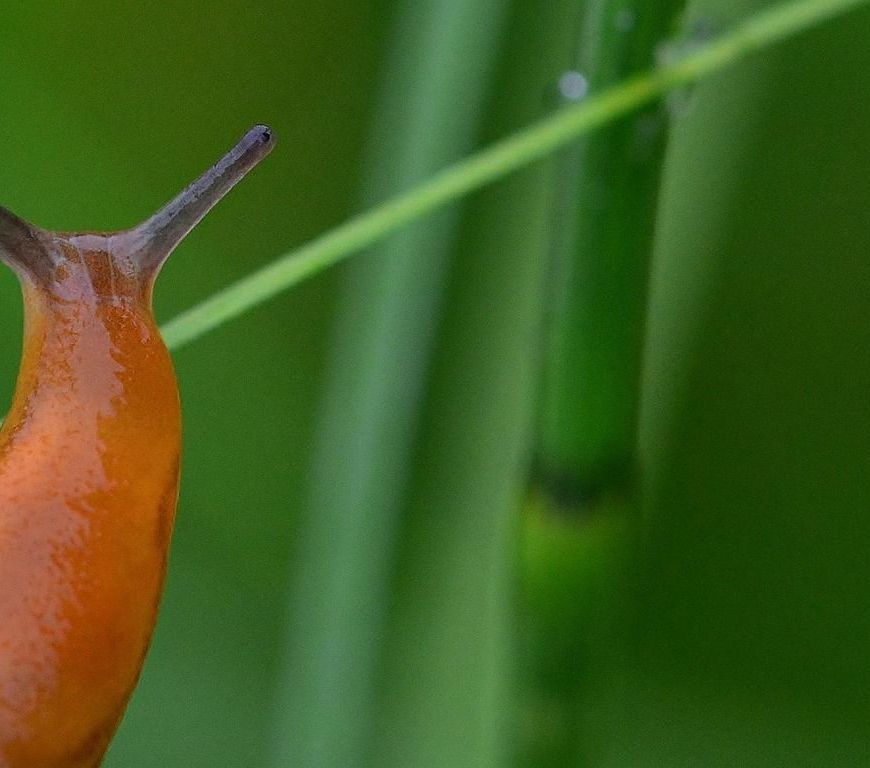
Strip cropping increases the number of slugs and slug predators, but crop damage does not increase

Strip cropping is a farming method in which different crops are grown in adjacent strips in the same field rather than in a field with a single crop (monoculture). This approach can increase biodiversity and help control insect pests, but it is not well understood how strip cropping influences pest slugs. We compared on 20 farms in the Netherlands slugs and their invertebrate predators in … Continue reading Strip cropping increases the number of slugs and slug predators, but crop damage does not increase

Strokenteelt verhoogt het aantal naaktslakken en predatoren van naaktslakken, maar gewasschade neemt niet toe

Strokenteelt is een landbouwmethode waarbij verschillende gewassen naast elkaar in stroken worden geteeld in plaats van in grote percelen met één enkel gewas (monocultuur). Deze aanpak kan de biodiversiteit vergroten en helpen bij de bestrijding van insectenplagen, maar het effect op schadelijke naaktslakken was tot nu toe onduidelijk. Wij onderzochten 20 Nederlandse bedrijven en vergeleken de dichtheid van naaktslakken en hun ongewervelde predatoren in strokenteeltpercelen … Continue reading Strokenteelt verhoogt het aantal naaktslakken en predatoren van naaktslakken, maar gewasschade neemt niet toe

Keeping our havened populations fighting fit: Do native predators help Australian mammals face invasive cats and foxes?

Linking to the recently-published article, Natasha Harrison discusses whether native predators inside ‘predator-free’ havens could be good for the conservation of threatened native prey species. Predator-free havens Since their introduction into the Australian landscape following European settlement, feral cats and red foxes have caused prolific population declines among our native fauna. The extinction of Australian mammals makes up more than two thirds of contemporary global … Continue reading Keeping our havened populations fighting fit: Do native predators help Australian mammals face invasive cats and foxes?

¿Qué determina la abundancia de plagas en trigo y sus enemigos naturales?

Esta publicación de blog también está disponible en inglés. Los enemigos naturales de las plagas, incluidos los predadores como las larvas de crisopas y sírfidos y las avispas parasitoides, brindan el servicio ecosistémico de control biológico de plagas. Diseñar paisajes agrícolas que promuevan este servicio es uno de los principales objetivos de la intensificación ecológica de la agricultura. Sin embargo, esto puede ser un desafío … Continue reading ¿Qué determina la abundancia de plagas en trigo y sus enemigos naturales?

Ecological requirements drive the variable responses of wheat pests and natural enemies to the landscape context

This blog post is also available in Spanish. Semi-natural habitats (SNH) are considered essential for pest-suppressive landscapes, but their influence on crop pests and natural enemies can be highly variable. In their latest research, González and colleagues assessed the responses of multiple insect pests and natural enemies in wheat fields to landscape context and flower availability. Natural enemies of crop pests, including predators such as … Continue reading Ecological requirements drive the variable responses of wheat pests and natural enemies to the landscape context