Predicting dispersal and conflict risk for wolf recolonisation in Colorado

Mark Ditmer discusses his and colleagues’ new research which aims to predict wolf movement and potential conflict hotspots following the state of Colorado’s decision to reintroduce gray wolves. This data may be used to offer practical, actionable recommendations for decision-makers. Animal movement and conflict risk Species’ ranges are shifting – and accurately predicting the way species disperse in novel areas can greatly enhance conservation efforts. … Continue reading Predicting dispersal and conflict risk for wolf recolonisation in Colorado

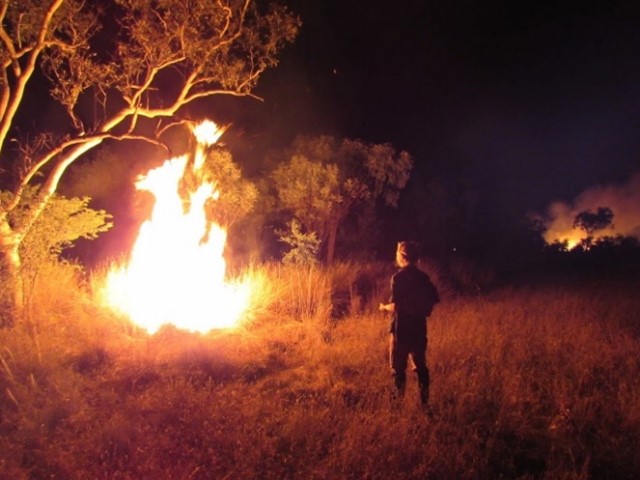
Fire is a globally important driver of ecosystem composition, structure and function

In fire-prone landscapes, appropriate fire management may help bring native mammals back from the brink of extinction. In a new paper, Shaw et al. use prescribed burning to understand how small mammal populations recover after fire, so that recovery mechanisms can be incorporated into management strategies. Fire plays a pivotal role in ecosystems around the world, influencing where species are found, their abundance in the … Continue reading Fire is a globally important driver of ecosystem composition, structure and function

Ecological traps for large-scale invasive species control

Predicting recolonisation areas favoured by American mink is a step towards invasive species control, according to this new article by Melero et al. Ecological traps for large-scale invasive species control: Predicting settling rules by recolonising American mink post-culling is published today in Journal of Applied Ecology. Invasive species present daunting challenges to conservationists because of the scale over which their impact on native biodiversity plays out. … Continue reading Ecological traps for large-scale invasive species control