Creating innovative solutions to manage aquatic invasive species impacts

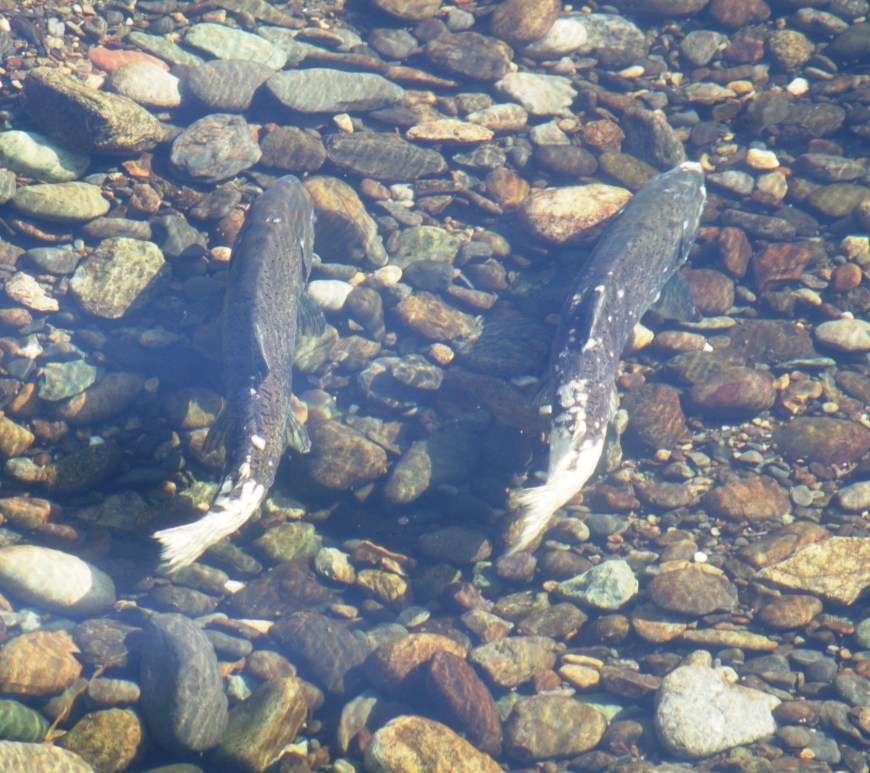
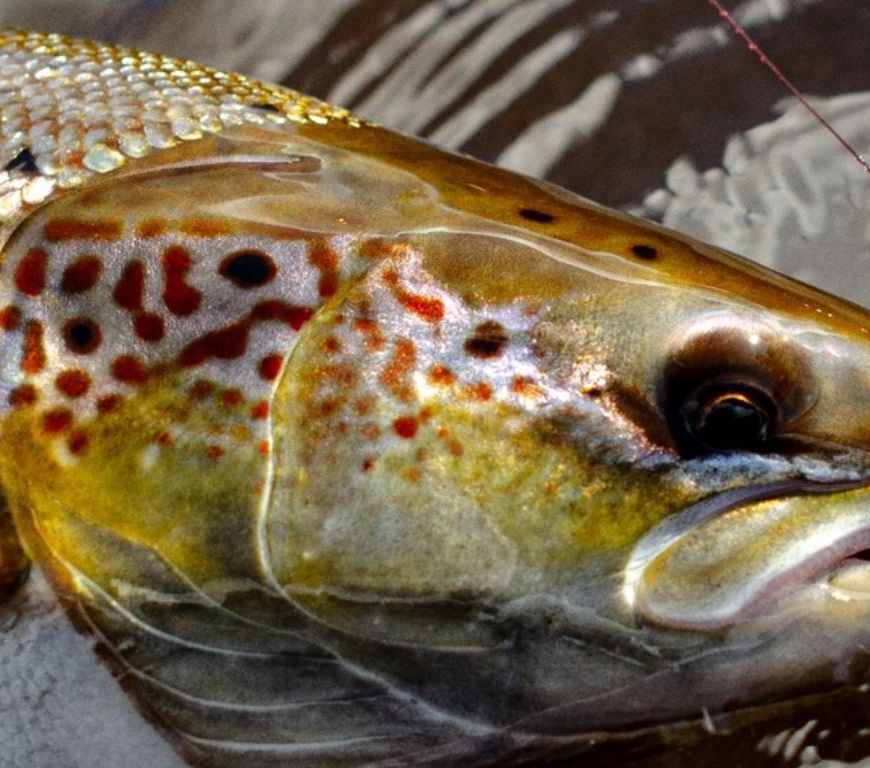
Author Sarah Kingsbury shares a new integrated management approach to better assess the effects and risks of aquatic invasive species on Atlantic salmon in Nova Scotia, Canada. Invasive species played key roles in the extinction of 60% of Earth’s plants and animals as reported by IPBES in 2023. While not all alien species introduced to new habitats become problematic (or even are able to establish … Continue reading Creating innovative solutions to manage aquatic invasive species impacts

Temporal trends in geographic clines of salmon eggs associated with global warming and hatchery programs

Koh Hasegawa and colleagues describe their latest research examining the geographic clines in Japanese chum salmon (Oncorhynchus keta). Many animal and plant species show geographic clines which are often recognized as adaptations to the associated transitional environments. A well-known example is that the body size of bears increase in more northern regions. Even people may notice clines in their daily lives, such as people in … Continue reading Temporal trends in geographic clines of salmon eggs associated with global warming and hatchery programs

Tracking restoration of population diversity via the portfolio effect

In this week’s blog, Associate Editor, Andre Punt comments on the recent paper by Yamane et al. Tracking restoration of population diversity via the portfolio effect. Many fisheries are managed to avoid populations dropping below threshold levels, and closing them to harvest when this happens. The implications of closures can be substantial for those who gain commercial or recreational benefits from harvest, as well as … Continue reading Tracking restoration of population diversity via the portfolio effect