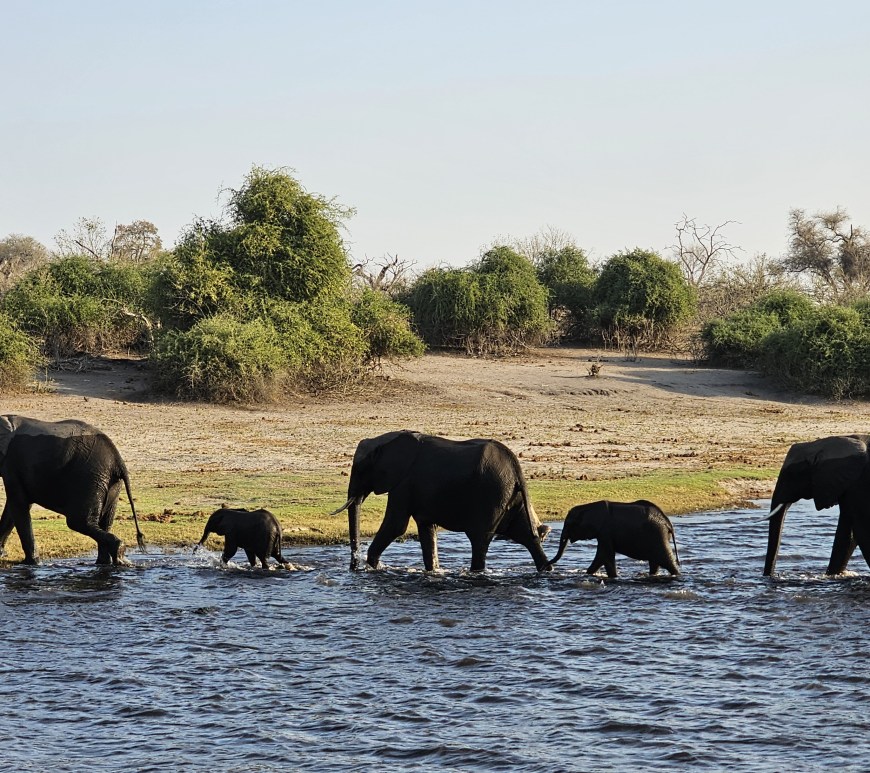
Can we count elephants from space? Towards a remote alternative to aerial surveys for large land mammals

Wilks et al. share their experience investigating the potential use of satellite surveys to identify elephants in the heterogeneous terrain of Botswana, Africa. A small Cessna plane flies low across the vast expanse of the Okavango Delta in Botswana, with all eyes abord peeled to detect and record elephants as part of the country-wide aerial survey every 4 years. The survey will fly over 20,000 … Continue reading Can we count elephants from space? Towards a remote alternative to aerial surveys for large land mammals

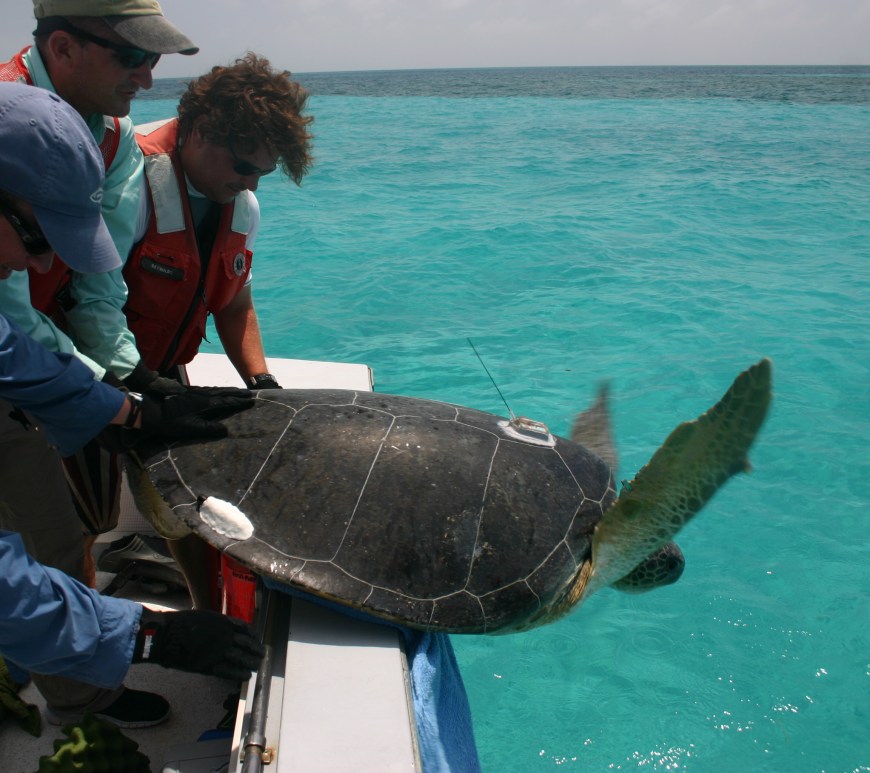
Habitat selection modelling reveals sea turtles use protected areas in greater proportion to their availability

Marine Protected Areas (MPAs) are designated regions to help conserve wildlife but how are they used by the species they protect? In their latest research, Kelsey Roberts and colleagues evaluate the use of these protected areas by sea turtles to help inform better design and management of MPAs. Scientists agree that area-based conservation efforts are key to preserving biodiversity and ecosystems, as well as ocean-based … Continue reading Habitat selection modelling reveals sea turtles use protected areas in greater proportion to their availability

Using tracking data to guide research and conservation efforts in long-distance migratory birds

Developments in tracking data are uncovering important conservation sites, the significance of which had previously been unknown. Associate Editor, Chi-Yeung explains more about the recently published work of Ying‐Chi Chan and colleagues. An increasing number of tracking studies on animals over the last few decades have revealed interesting behaviour and habits that are otherwise impossible to observe in the field. This is particularly the case … Continue reading Using tracking data to guide research and conservation efforts in long-distance migratory birds