Grazing intensity, duration, and regime and livestock type modulate soil microbiota responses

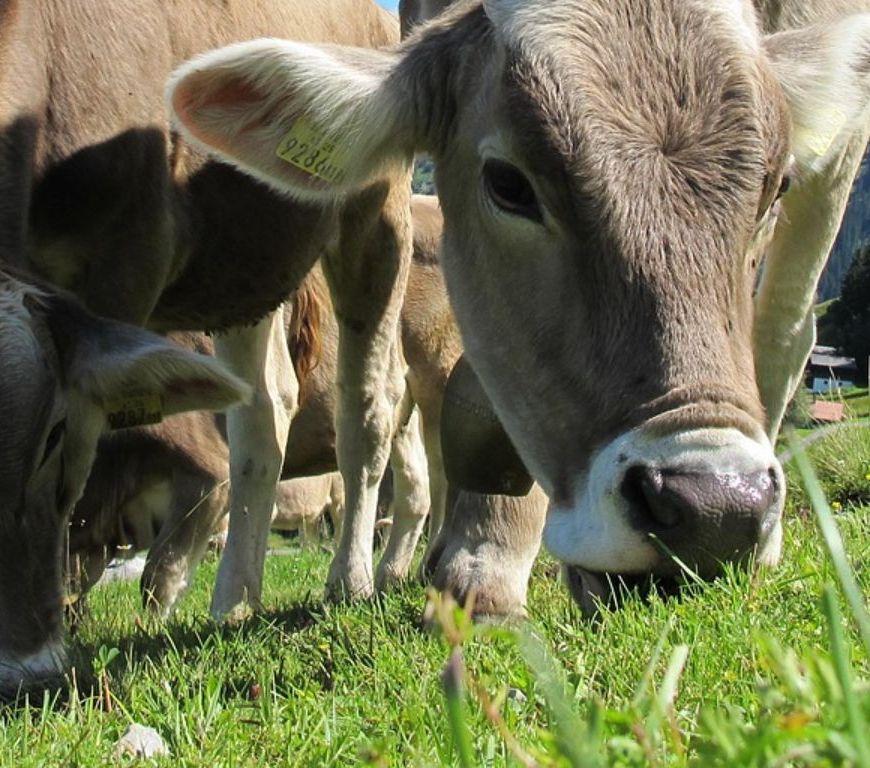
Grasslands account for approximately 40% of the Earth’s land area and are the largest natural ecosystem apart from forests. Livestock grazing is currently the most important human activity in grasslands, with a persistent and strong impact on both the aboveground plant community and underground organisms. Soil microbiota are the most numerous, most diverse, and functionally crucial biological group on the planet. Among them, microbes and … Continue reading Grazing intensity, duration, and regime and livestock type modulate soil microbiota responses


Welcoming our new ESE Associate Editors – 2020

Following our open call for applicants over the summer, we are pleased to welcome 14 new Associate Editors to the Ecological Solutions and Evidence Editorial Board. We are delighted to further expand the expertise and diversity of our board through the open call, with ecologists joining us from 9 different countries and bringing expertise from both academic research and on-the-ground practice. You can find out … Continue reading Welcoming our new ESE Associate Editors – 2020

Variation in soil microbial communities leads to variation in plant communities

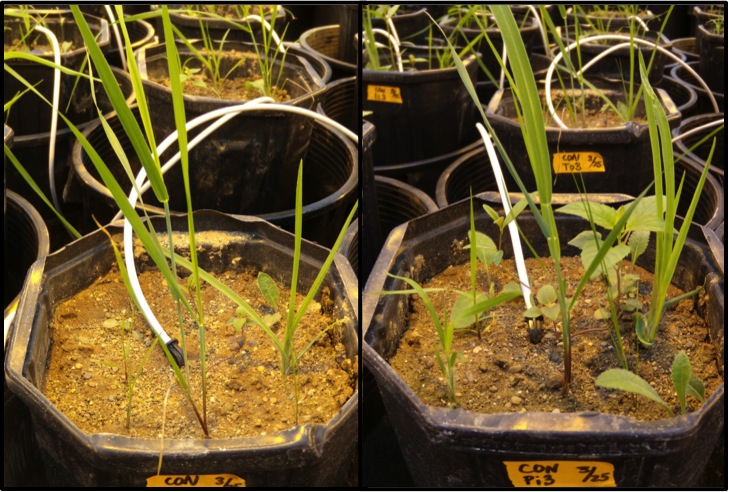
In the latest in our series of blogs for the Toward prediction in the restoration of biodiveristy Special Feature, Jonathan Bauer discusses his article, Effects of between-site variation in soil microbial communities and plant-soil feedbacks on the productivity and composition of plant communities. All articles from the Special Feature are available in issue 54.4 of Journal of Applied Ecology. Microorganisms in the soil have strong effects on plant … Continue reading Variation in soil microbial communities leads to variation in plant communities