Qualitatively Assessing Carbon Management Trade-offs at the Nature Conservancy’s Meyer Preserve

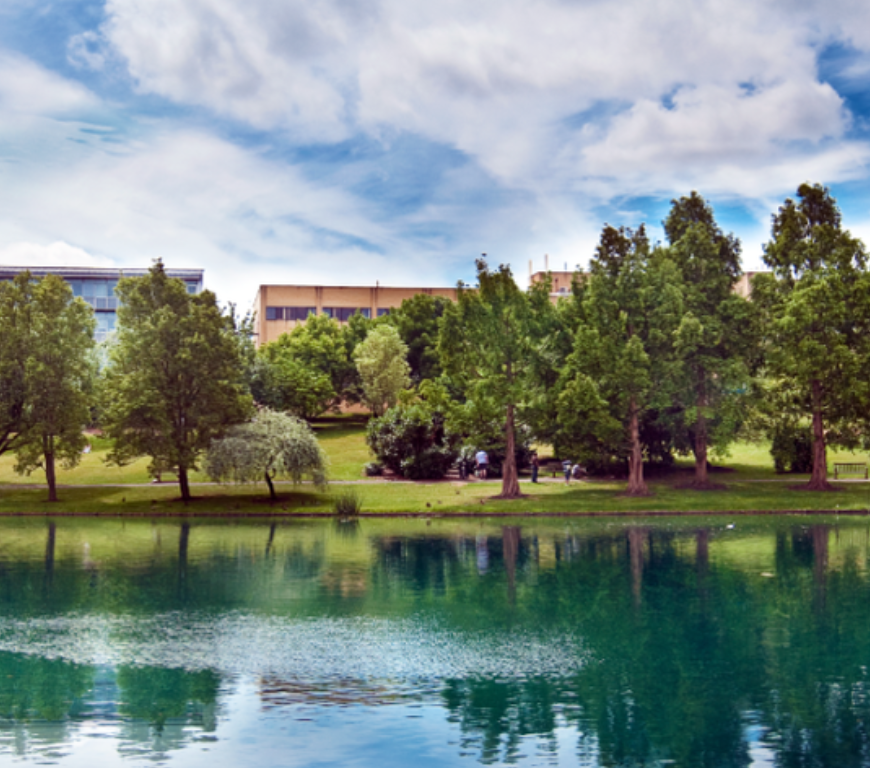
Written by Rylee McMillan and Adrienne Keller At The Nature Conservancy’s Newell and Ann Meyer Preserve in Wisconsin, USA, managers face an increasingly difficult challenge: understanding the trade-offs and benefits of managing for carbon outcomes among other management objectives.  This challenge is not unique. Ecosystems globally are witnessing clear and intensifying effects of climate change, driving a growing interest in using natural lands for their … Continue reading Qualitatively Assessing Carbon Management Trade-offs at the Nature Conservancy’s Meyer Preserve

Where Could Ireland and Britain’s Temperate Rainforest Actually Go?

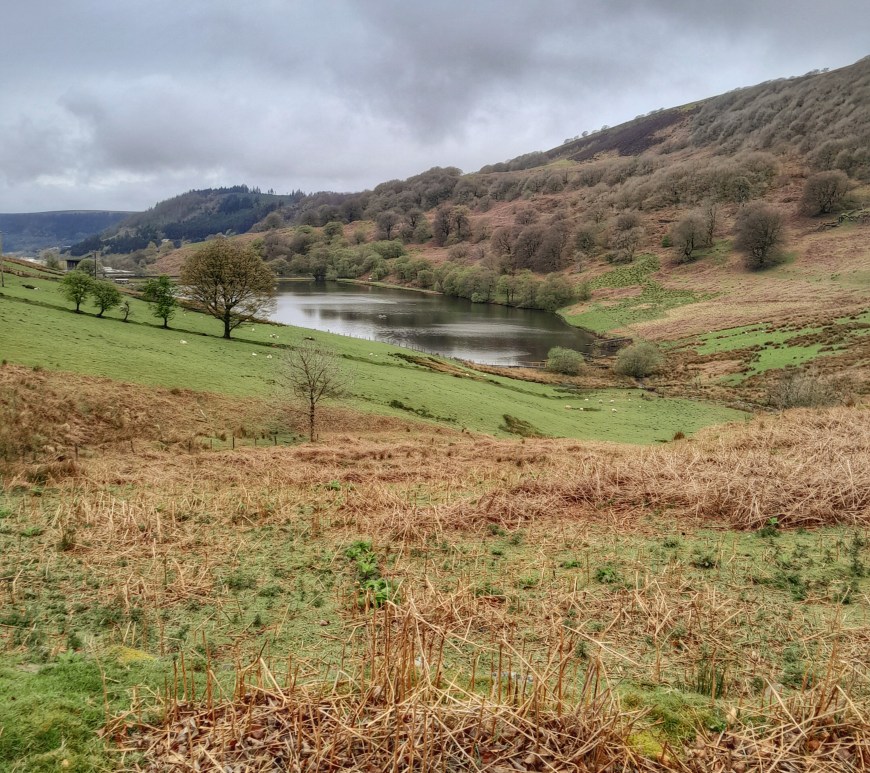
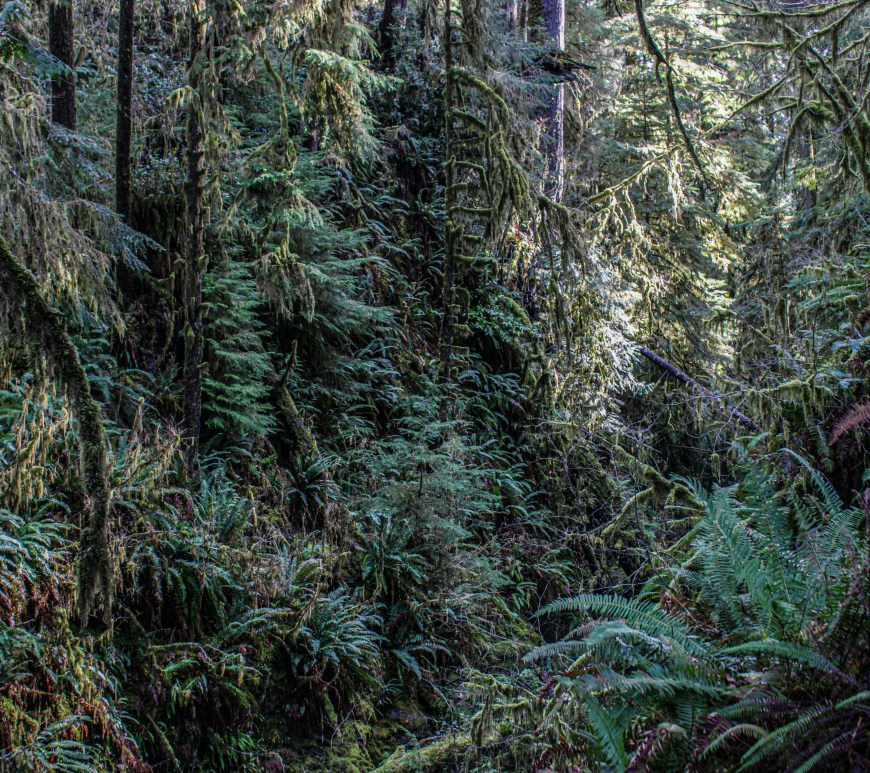
Katerina Chernyuk highlights the need to understand the various factors impacting temperate rainforests and shares her team’s research investigating the potential climate envelopes in Ireland and Britain. Recently, temperate rainforests have captured public awareness across Ireland and Britain, with everything from award-winning books, media articles and restoration projects, leading to attention from both NGOs and governments. Temperate rainforests have become a flagship habitat for Irish … Continue reading Where Could Ireland and Britain’s Temperate Rainforest Actually Go?

Reclaiming Our Common Future

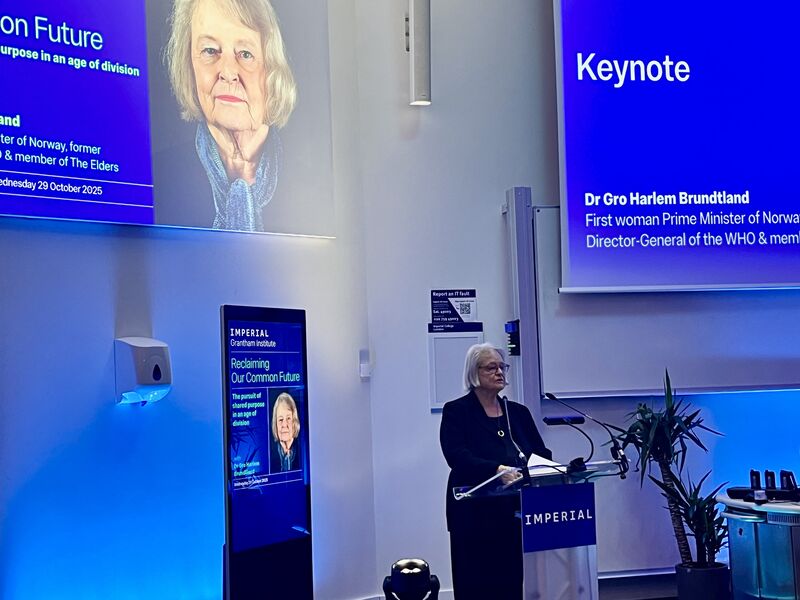
The pursuit of shared purpose in an age of division Reflections on a lecture given by Dr Gro Harlem Brundtland at the Grantham Institute, Imperial College, London, 29 October 2025. Gary Kass, Visiting Professor of Sustainability Science, Policy and Practice, Imperial College; Honorary Professor of Geography, University of Nottingham; Vice-President of IES and Chair of IES External Policy Advisory Group; Member of the Office of … Continue reading Reclaiming Our Common Future

Solutions and Practical Implications with Ecological Solutions and Evidence

Ecological Solutions and Evidence publishes articles directly linked to species management, biodiversity, ecosystems, and practical solutions to ecological problems. Each article highlights a problem and is supported by key findings and observations that contribute towards solutions. Last summer, the journal introduced the requirement that all authors must outline a ‘solution’ or ‘practical implication’ at the end of their abstract, clearly indicating what key management takeaways … Continue reading Solutions and Practical Implications with Ecological Solutions and Evidence

From the Caribbean to the World: Reclaiming My Path as a Black Marine Ecologist

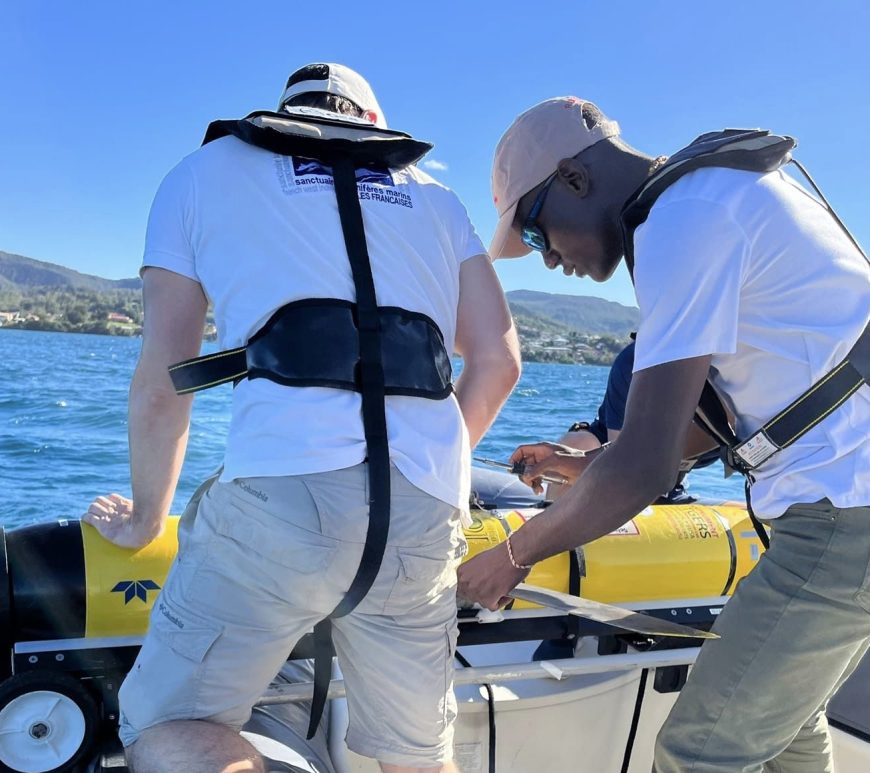
For Black History Month 2024, the British Ecological Society (BES) journals are celebrating the work of Black ecologists from around the world and sharing their stories. In this blog, Lionel Yamb shares his story. Ecological interests: Links: https://x.com/lionelyamb https://www.linkedin.com/in/lionel-yamb-b66024103/ https://www.facebook.com/lionel.yamb?locale=fr_FR https://www.instagram.com/lionelyamb/ How did you get into ecology? My journey into ecology began with a deep curiosity about the natural world around me. Growing up in Cameroun, … Continue reading From the Caribbean to the World: Reclaiming My Path as a Black Marine Ecologist

Centre for Environment and Sustainability: Meet Tara Pirie

In this new series, The Applied Ecologist is amplifying the staff and student voices from the University of Surrey’s Centre for Environment and Sustainability to showcase their diverse, interdisciplinary body of work and to help inspire the next generation. In this post, we share below recent research by Tara Pirie from the School of Biosciences and collaborates with the Centre for Environment and Sustainability. Meet … Continue reading Centre for Environment and Sustainability: Meet Tara Pirie

Centre for Environment and Sustainability: Our Goals and Vision

In this new series, The Applied Ecologist is amplifying the staff and student voices from the University of Surrey’s Centre for Environment and Sustainability to showcase their diverse, interdisciplinary body of work and to help inspire the next generation. In this introductory post, we share below the Centre’s goals and ambitions.  About the Centre Founded in 1992 by Professor Roland Clift CBE, we at the … Continue reading Centre for Environment and Sustainability: Our Goals and Vision

Strengthening skills for sustainability: Implications for ecology and ecologists

The Centre for Environment and Sustainability (CES) and the Institute for Sustainability at the University of Surrey were delighted that this years’ Annual Roland Clift Lecture was given by Gary Kass. In this special post, Gary Kass shares his insights on the capacities and competencies needed for environment and sustainability. Until October 2023, Gary Kass was Deputy Director for Foresight and Innovation at Natural England… Continue reading Strengthening skills for sustainability: Implications for ecology and ecologists

Rewilding the sea

Interest in rewilding the land has boomed in recent years, especially after the success of the rewilded Knepp Estate in England. But what about rewilding the sea? Esther Brooker tells us about her research on marine rewilding. In the UK, the Knepp Estate has sought to lead the way on rewilding, turning an intensively farmed area over to nature. What does rewilding look like in … Continue reading Rewilding the sea

Towards environmentally friendly finfish farming: A potential for mussel farms to compensate fish farm effluents

Jonne Kotta explains new research which uses dynamic energy budget modelling to explore the potential of mussels for bioremediation at finfish farms. Kotta and colleagues suggest that environmentally sustainable finfish farming solutions may be possible in the eutrophic Baltic Sea region. The problem Global demand for fish has risen sharply in recent decades and will surely continue to rise during the next decade. However, this … Continue reading Towards environmentally friendly finfish farming: A potential for mussel farms to compensate fish farm effluents