Climate challenges in savannas: How herbivore communities chart the course

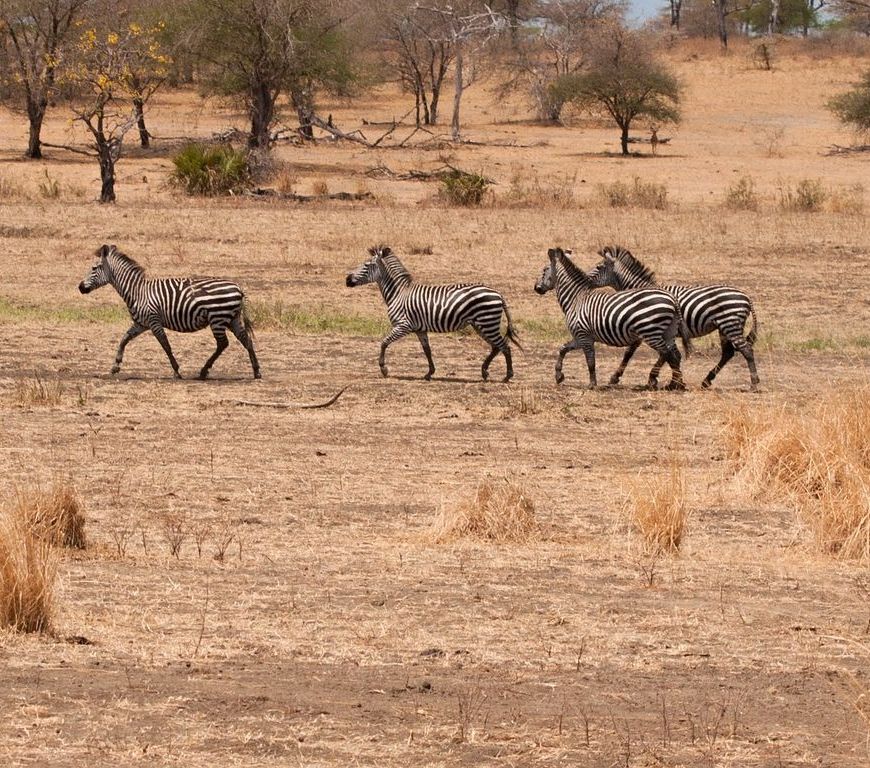
Dr. Katja Irob summarises their latest study, conducted alongside colleagues, which analysed the impacts of climate change and rangeland management on degradation in Savanna ecosystems of southern Africa. Findings suggest that, in the face of climate uncertainty, farmers’ most effective strategy for securing their livelihoods and ecosystem stability is to integrate browsers and apply management of mixed herbivore communities.  Savannas as hot spots of environmental … Continue reading Climate challenges in savannas: How herbivore communities chart the course

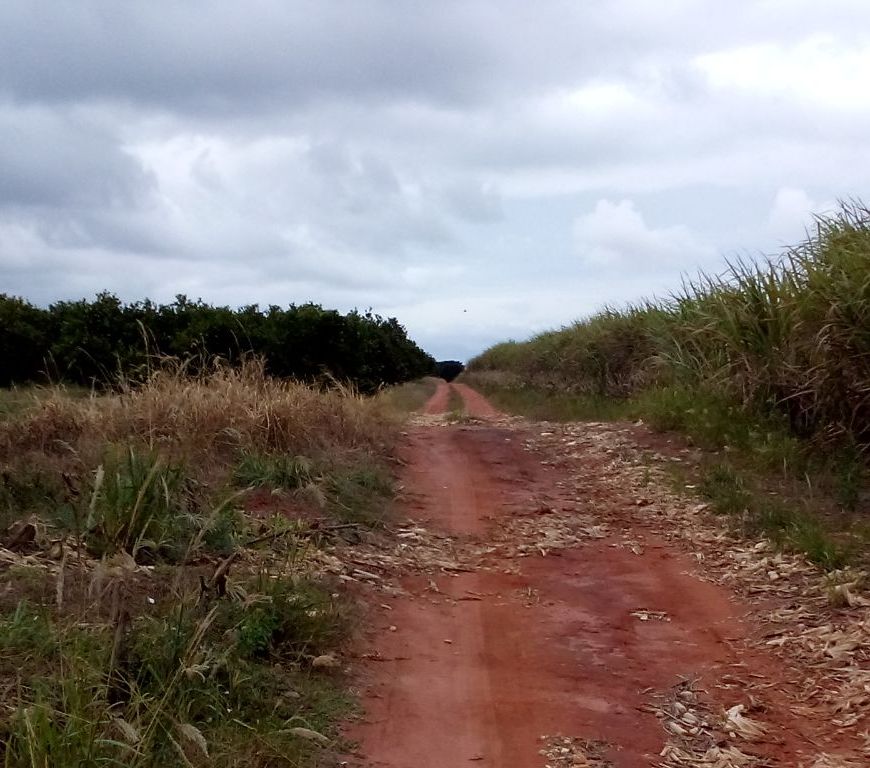
Landscape heterogeneity as a management tool to offset negative effects of habitat loss in agroecosystems

Marcella do Carmo Pônzio and Nielson Pasqualotto summarise their latest research in which they and colleagues investigated the effects of landscape heterogeneity and native vegetation cover on richness and composition of native and invasive mammals, across 55 landscapes in the Brazilian Savanna, Cerrado. A global process and a knowledge gap Intensive agriculture has significantly transformed landscapes by replacing native habitats and diversified small-scale farming into … Continue reading Landscape heterogeneity as a management tool to offset negative effects of habitat loss in agroecosystems

Vegetation change in the uplands is slow, slow, slow

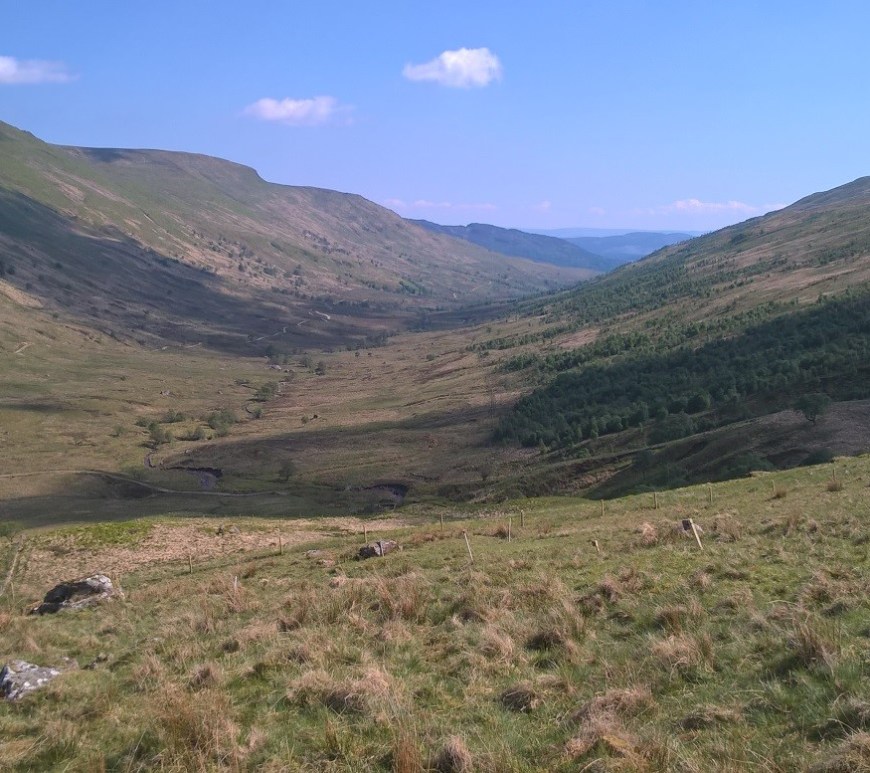
Using results from a long-term experiment at Glen Finglas in Scotland, Robin Pakeman and colleagues show that even substantial changes in grazing management take many years to play out, so forecasting change in the uplands is difficult. Here Robin explains more about their work. We set up the Glen Finglas experiment in 2002 to look at how changes to the European Common Agricultural Policy, specifically … Continue reading Vegetation change in the uplands is slow, slow, slow

For the love of trees: the benefits of vegetation and paddock management for reptiles in grazing landscapes

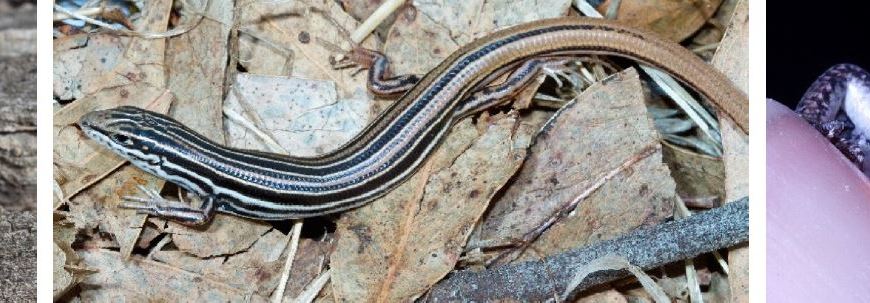
Following her recent paper in the Journal of Applied Ecology, ‘Remnant vegetation, plantings and fences are beneficial for reptiles in agricultural landscapes’, Stephanie Pulsford explores the balancing act of supporting both agriculture and biodiversity conservation. In a recent study of reptiles in grazing landscapes we demonstrated the importance of maintaining and promoting native vegetation within agricultural land for improved biodiversity conservation outcomes. We also showed that … Continue reading For the love of trees: the benefits of vegetation and paddock management for reptiles in grazing landscapes

Wet wetlands restore better

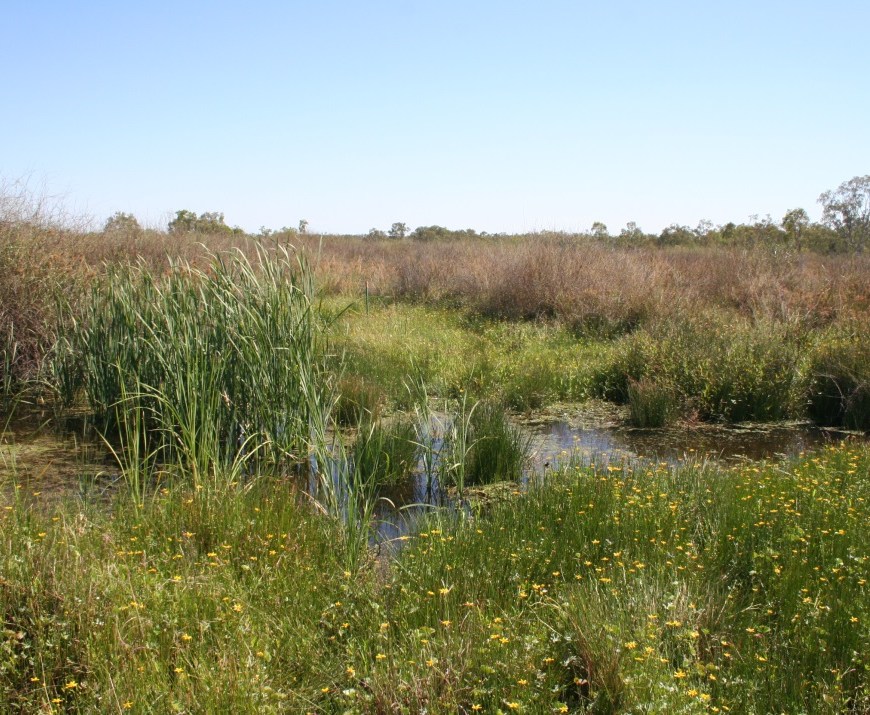
With Plant Conservation Day in mind, Samantha Dawson’s post discusses characteristics of wetland plants and her new paper, Plant traits of propagule banks and standing vegetation reveal flooding alleviates impacts of agriculture on wetland restoration. Many of the world’s wetlands are highly degraded and they are one of the most threatened types of ecosystems. To attempt to halt or reverse this trend, there are lots of … Continue reading Wet wetlands restore better