A safe passage: Protecting migratory birds in the North Sea

Maja Bradarić summarises how, alongside colleagues, they used 5 years of tracking bird radar data, weather and phenological variables to develop seasonal forecasts of bird migration over the southern North Sea. These forecasts of nocturnal bird migration may be used to define curtailment thresholds for offshore wind energy. In May 2023, turbines in two offshore wind farms in the Dutch North Sea came to a virtual … Continue reading A safe passage: Protecting migratory birds in the North Sea

Hotspots in the Grid: Avian sensitivity and vulnerability to collision risk from energy infrastructure interactions In Europe and North Africa

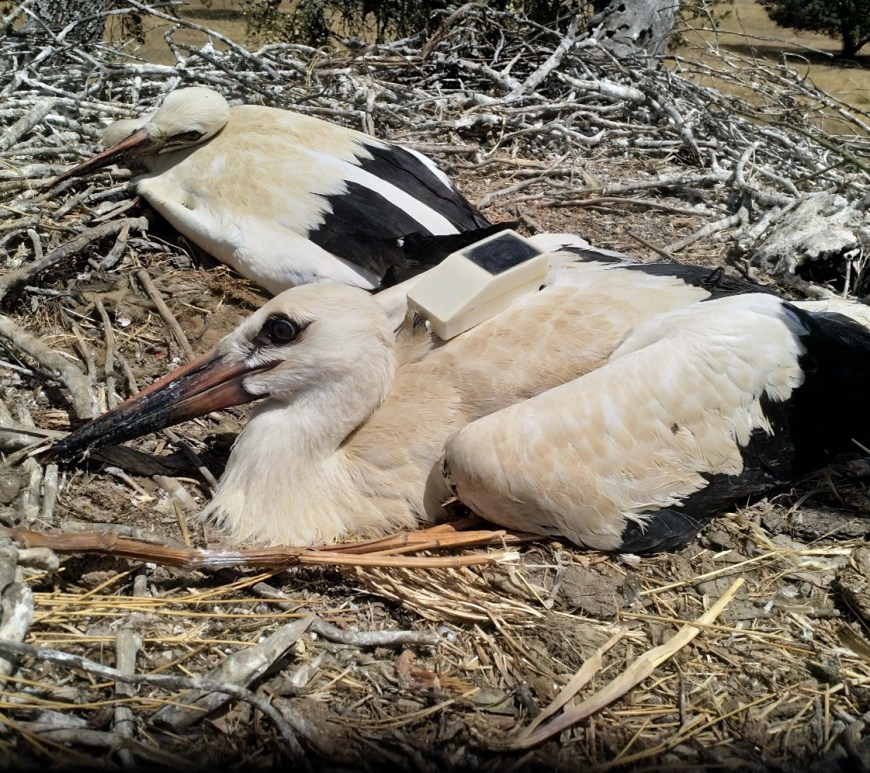
A new paper, led by Jethro Gauld from the University of East Anglia and colleagues from across Europe, demonstrates how GPS tracking data can be a powerful tool for identifying areas where birds are most sensitive to new renewable energy development due to collision risks. The transition to zero carbon energy is essential to avoid runaway climate change. As nations strive to achieve their Net … Continue reading Hotspots in the Grid: Avian sensitivity and vulnerability to collision risk from energy infrastructure interactions In Europe and North Africa

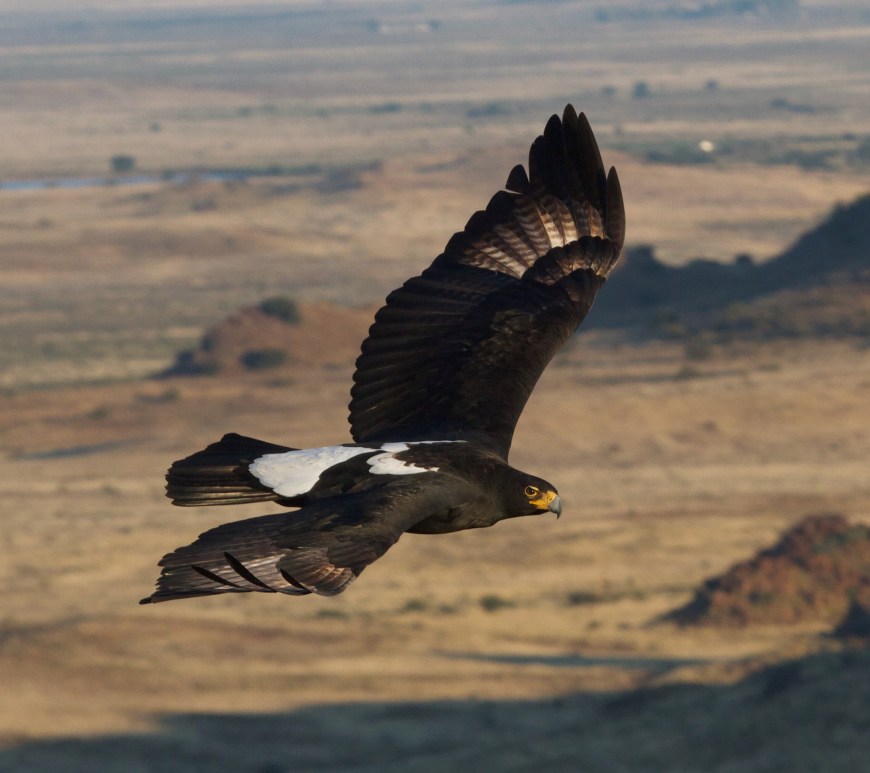
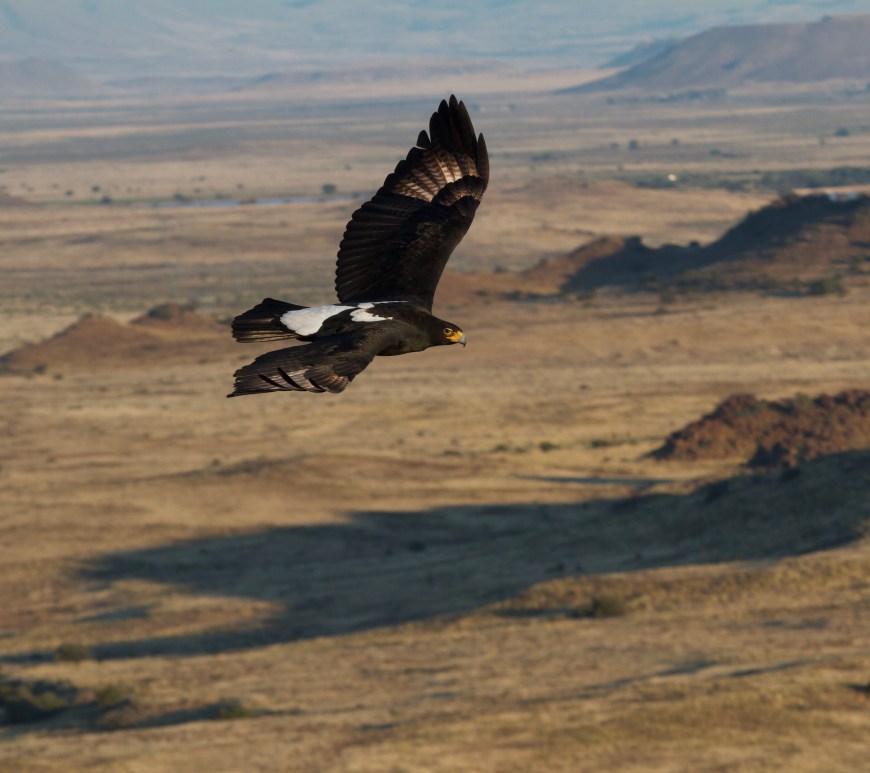
A predictive model for improving placement of wind turbines to minimise collision risk potential for a large soaring raptor

Each year, Journal of Applied Ecology awards the Southwood Prize to the best paper in the journal by an author at the start of their career. In this post, Megan Murgatroyd (HawkWatch International/FitzPatrick Institute of African Ornithology at the University of Cape Town) discusses her shortlisted paper which used GPS tracking data together with a digital elevation model to classify the spatial likelihood of wind turbine collisions for adult … Continue reading A predictive model for improving placement of wind turbines to minimise collision risk potential for a large soaring raptor

Predictive modeling of raptor movement can minimise the impact of wind energy developments

Energy generation is shifting towards renewable sources, but how do these developments impact our environment? In their latest research, Megan Murgatroyd and colleagues develop a predictive model to guide where best to locate wind turbines to minimize collision risk for a large soaring raptor. The sight of a wind farm is no longer strange to us. For some they might be seen as gentle giants, … Continue reading Predictive modeling of raptor movement can minimise the impact of wind energy developments