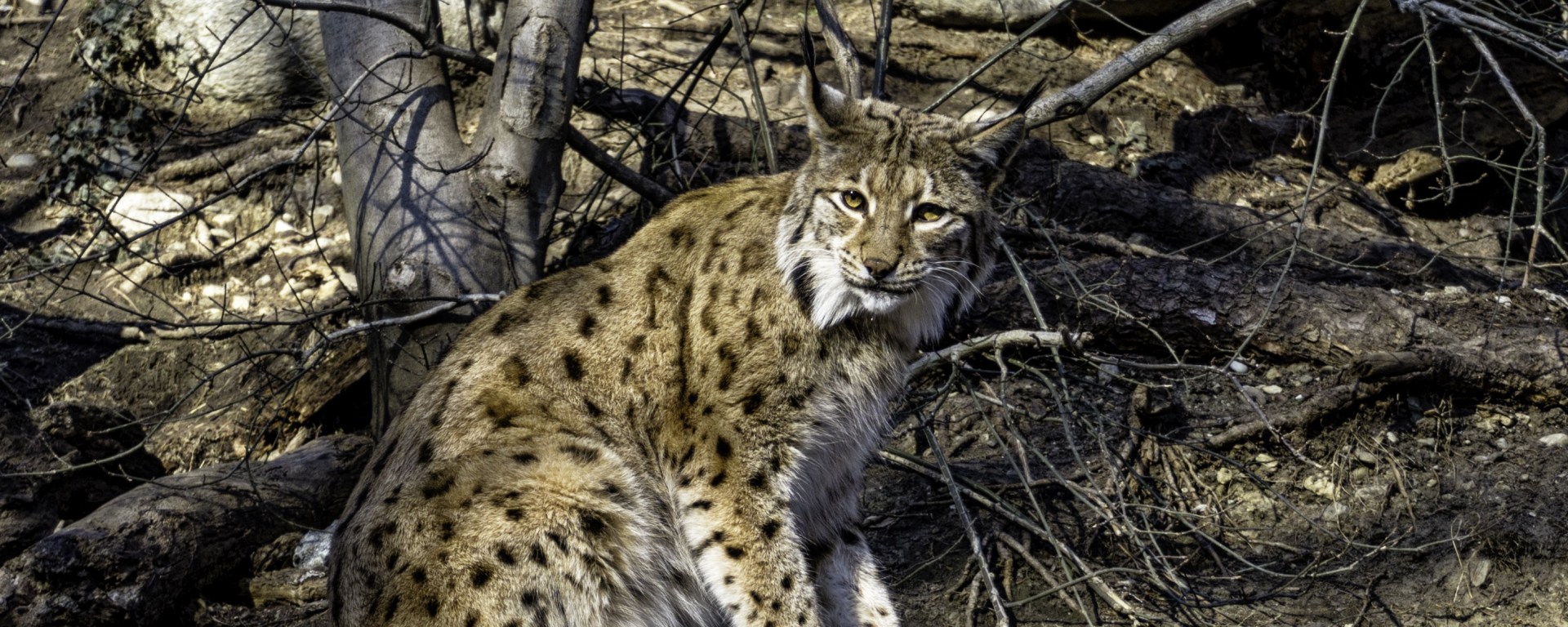
Reintroducing a carnivore into the wild is never simple. Years of planning, significant resources, and a great deal of careful coordination go into each release. Yet despite all this effort, reintroduced animals do not always settle where we want them to, and understanding why is critical for improving future reintroductions.
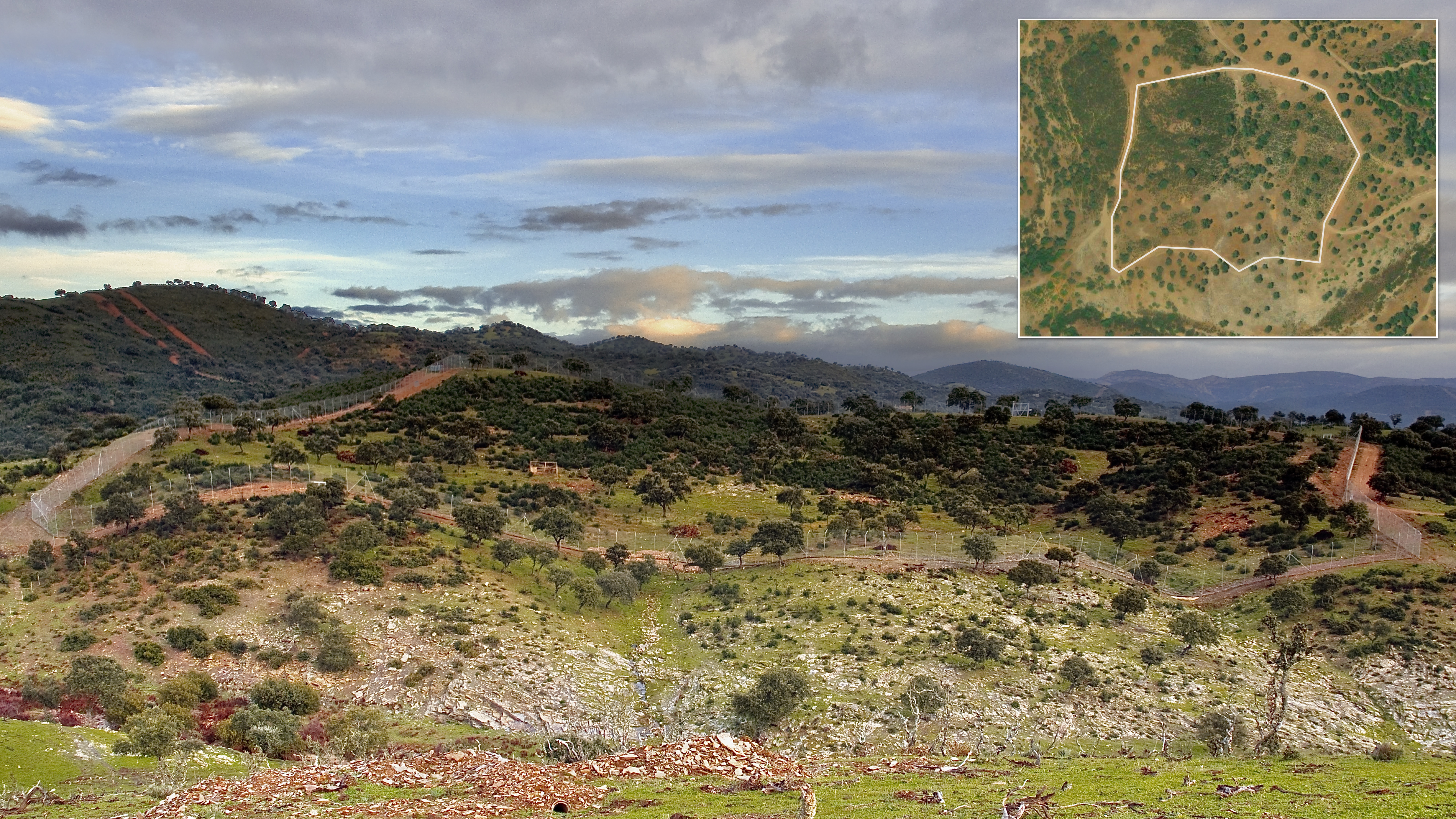
One of the key decisions managers face when planning a reintroduction is how to release the animals. Should they be released directly into the wild in a so-called hard-release? Or should they first spend time in an enclosure at the release site to help them adjust? Known as a soft-release, this approach is widely used and generally assumed to improve outcomes, but scientific evidence has been surprisingly inconsistent. Some studies support their use, while others found little benefit. We wanted to understand why.
The Iberian lynx: a conservation success story and a unique study system
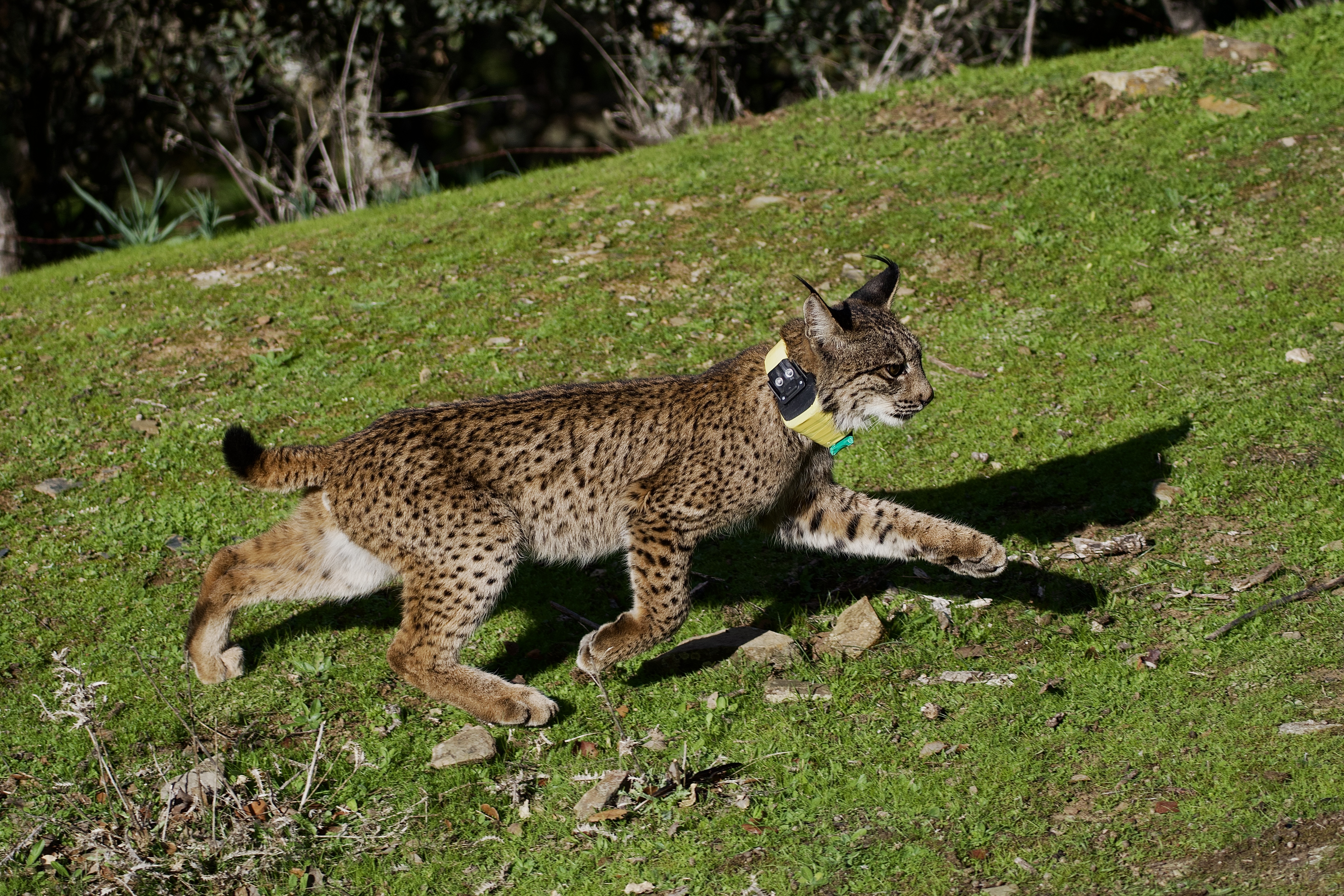
The Iberian lynx (Lynx pardinus) offers a remarkable opportunity to investigate this question. Once the most endangered felid in the world, the species has rebounded from fewer than 100 individuals to over 2,400 today, thanks to a comprehensive recovery programme combining habitat restoration, captive breeding, and large-scale reintroductions across Spain and Portugal. Since 2006, over 400 lynx have been released across multiple reintroduction areas; many of them monitored with GPS collars and giving us an exceptional dataset to work with.
What we found: it is not only about soft vs. hard release
When we analysed GPS data from 74 release events, we found that it is not whether you use a soft or hard release that matters, but how long the animal spends in the enclosure.
Lynx that spent more time in pre-release enclosures travelled shorter distances after release and were more likely to settle within the intended reintroduction area. By contrast, simply classifying releases as “soft” or “hard” told us very little. A soft-release with only a few days of acclimatisation appeared no better than a hard release, and in some cases no different at all.
This makes intuitive sense. Time in the enclosure allows animals to familiarise themselves with their new environment and to recover from the stress of capture and transport. In the case of the Iberian lynx, where individuals are typically released together with other lynx, this period also favours the formation of social bonds that may anchor them to the area.
How long is long enough?
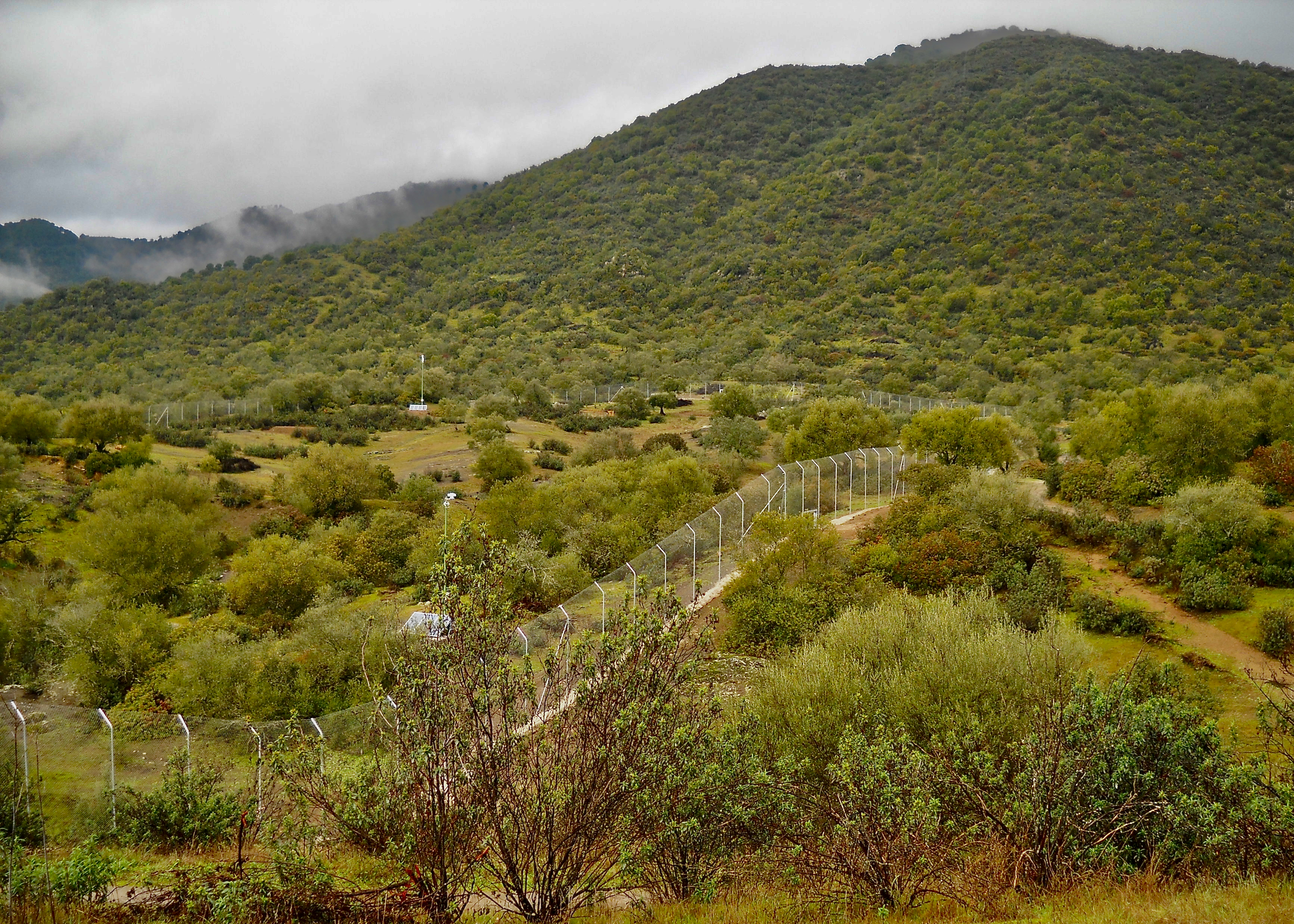
We found that the greatest benefits were achieved after approximately six weeks of acclimatisation. This is the point at which settlement probability exceeded 50% across all groups. Beyond this threshold, additional time in the enclosure still helped, but with diminishing returns.
This six-week benchmark is practically useful. Soft-releases are expensive and logistically demanding: enclosures need to be built and maintained, and are usually scarce. When multiple releases are planned within the same area, every additional week an animal occupies the enclosure is a week the next release must wait. Knowing what constitutes a sufficient acclimatisation period helps managers plan releases more efficiently without compromising outcomes.
What this means for practitioners
Our results carry a clear message for those planning carnivore reintroductions: if you are going to invest in a soft-release, make sure the animal has enough time to acclimatise. A short stint in an enclosure may not be enough to make a difference, and could mean that all the effort and expense of setting up a soft release fails to deliver the expected gains.
We also encourage managers of other reintroduction programmes to monitor acclimatisation duration and post-release movement systematically. Our findings suggest this is a more informative metric than simply recording whether a soft or hard-release was used, and could help them identify enclosure times needed to improve settlement success for their species.
Read the full article ‘Acclimatisation duration, not just release type, drives post-release settlement in a large-scale carnivore reintroduction programme’ in Journal of Applied Ecology.

