Habitat availability alters the relative risk of a bovine tuberculosis breakdown in the aftermath of a commercial forest clearfell disturbance

In their new study, Murphy et al. discuss the relationship between human modification of landscapes and zoonotic disease emergence and spread, through their case study of bovine tuberculosis in Ireland. The interconnectedness of ecosystems is one of the most endearing facets of landscape ecology. Yet, it presents the biggest challenge for applied ecologists seeking to understand the cause and effect of ecosystem modification. Changes to … Continue reading Habitat availability alters the relative risk of a bovine tuberculosis breakdown in the aftermath of a commercial forest clearfell disturbance

Apparently stable albatross population is actually decreasing due to mouse predation

Conservation organisations struggle to directly assist all threatened species, so deciding where to spend limited resources is a common problem. In a new paper, Oppel and colleagues show that, for long-lived species, a population may decrease long before this trend becomes evident in the part of the population that can be counted. Albatrosses are among the largest flying birds in the world, and they can … Continue reading Apparently stable albatross population is actually decreasing due to mouse predation

Karuk traditional ecological knowledge enhances elk habitat in Northern California

In their new article, Connor et al. discuss how prescribed forest burning that uses Karuk traditional ecological knowledge can have significant benefits for elk habitat. In a Northern California landscape increasingly plagued by severe wildfire, cultural burning, prescribed fire and forest management principles put into practice for generations by Karuk Tribal members are being brought back to restore fire adapted landscapes. Our research shows that … Continue reading Karuk traditional ecological knowledge enhances elk habitat in Northern California

Editor’s Choice 59:6: Tree species mixing amplify forest microclimate offsets in European forests

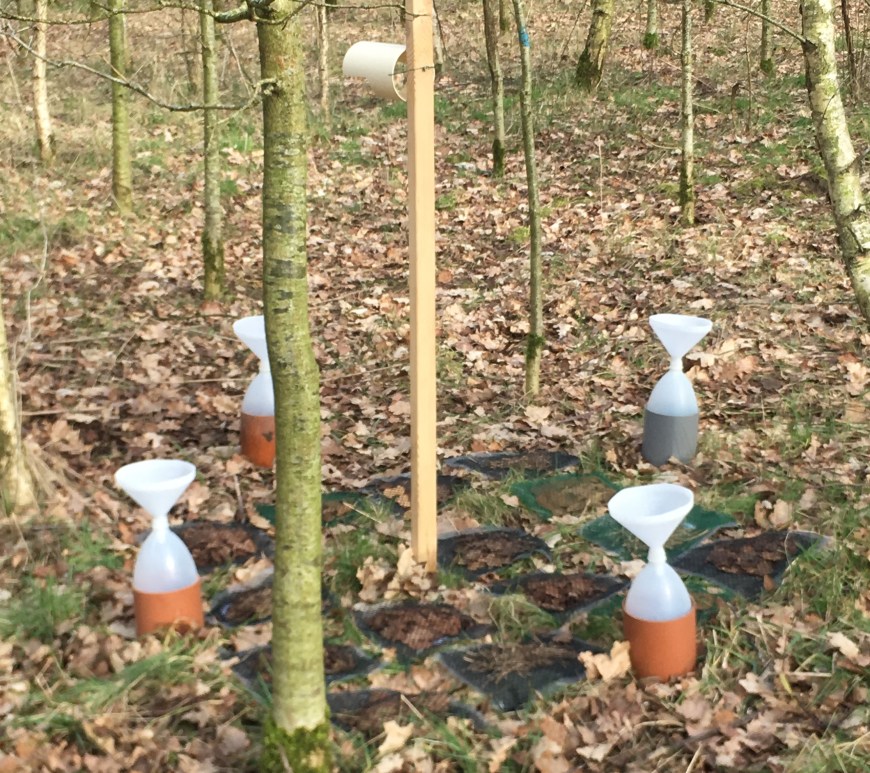
Associate Editor, Sharif Mukul, introduces this month’s Editor’s Choice article by Zhang and colleagues, which shows that microclimate offsetting depends on tree species identity and diversity, and that buffered forest microclimates can be achieved rapidly in young plantations, depending on the species being planted.  Tree canopies can significantly buffer temperature fluctuations and enhance water availability, which has the potential to mitigate the effects of macroclimate … Continue reading Editor’s Choice 59:6: Tree species mixing amplify forest microclimate offsets in European forests

A quantitative feasibility assessment for translocating highly mobile, endangered species

Using long-term data, IPMs, & expert judgement, Fischer et al. demonstrate how translocation feasibility can be assessed quantitatively and transparently for endangered, philopatric, and highly mobile species, such as Kuaka. Kuaka, or Whenua Hou Diving Petrels, are in dire straits. The population of this Critically Endangered seabird is estimated at ~200 adults. Kuaka occupy the smallest breeding area of any bird species in Aotearoa New … Continue reading A quantitative feasibility assessment for translocating highly mobile, endangered species

Harnessing drainage canals for biodiversity conservation

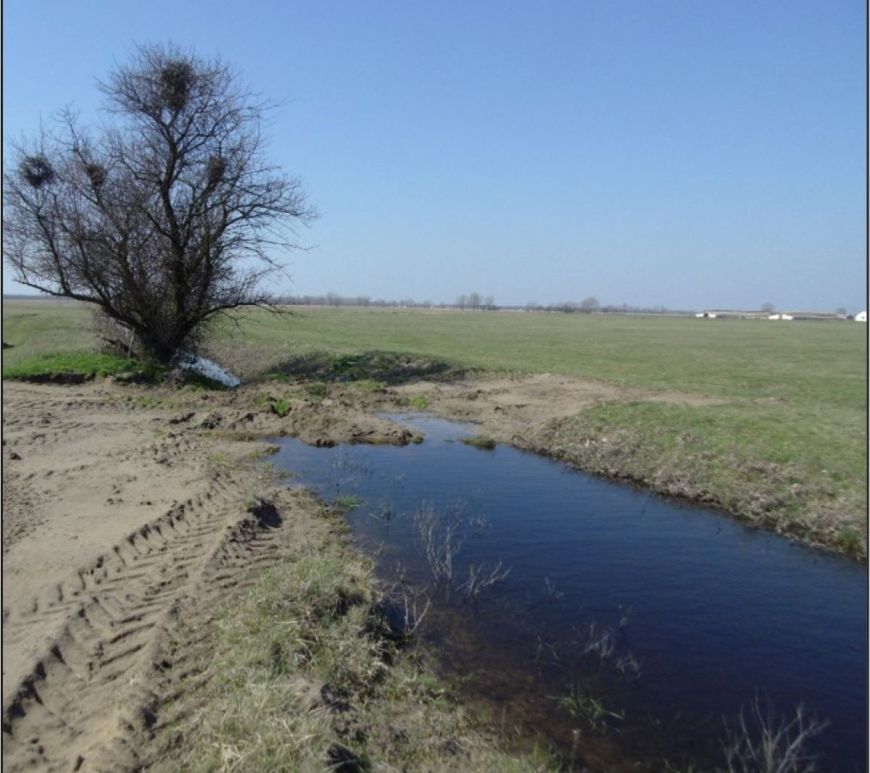
A new paper led by Csaba Tölgyesi from the University of Szeged, Hungary, shows that drainage canals can be harnessed for biodiversity conservation in desiccated, heavily transformed regions by reconciling the interests of opposing stakeholders. Drainage and subsequent land cultivation have been a major threat to global wetland ecosystems for centuries. In Europe, most lowland fens have been drained; approximately 25% of the arable land … Continue reading Harnessing drainage canals for biodiversity conservation

Optimizing disease management in an endangered carnivore

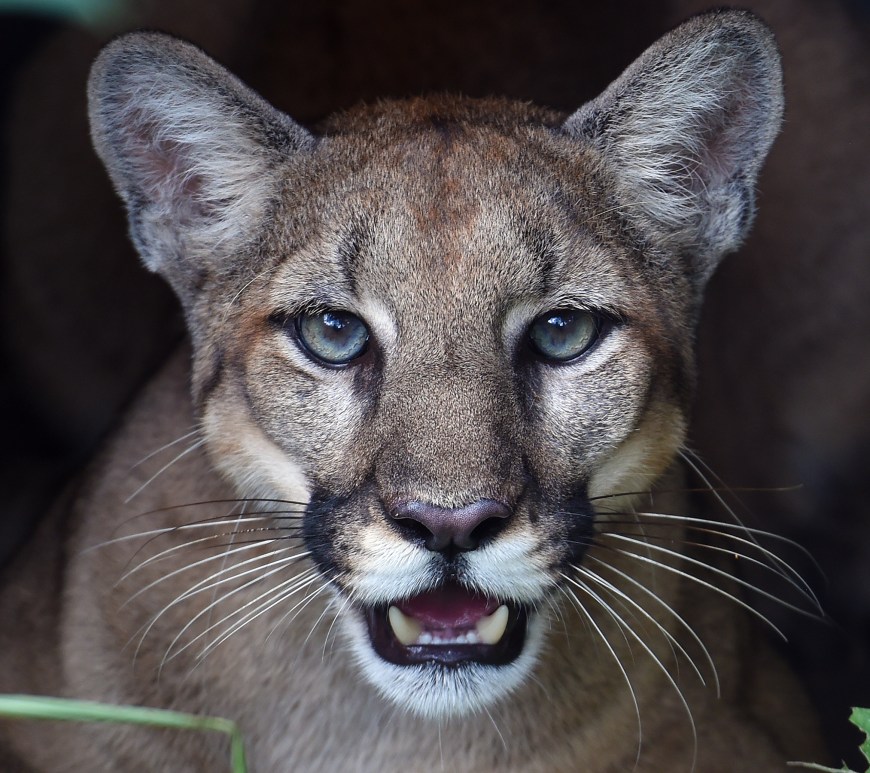
In their new article, Gilbertson et al. discuss how combining preventative and reactive disease interventions synergistically reduces disease-induced mortalities in a simulated carnivore population, whilst at the same time preventing unexpected negative impacts associated with inadequate vaccination. As the COVID-19 pandemic has demonstrated, controlling outbreaks of infectious diseases is incredibly challenging—and that is no less true in wildlife. In fact, wildlife management faces significant hurdles … Continue reading Optimizing disease management in an endangered carnivore

Drivers of the Australian native pet trade: The role of species traits, socioeconomic attributes and regulatory systems

In their new study, Adam Toomes et al. discuss what are the drivers and problems of the exotic pet trade, and how we can make pet trade regulations more effective. Most people associate the word ‘pet’ with domesticated animals like cats and dogs, yet more exotic options such as ornamental rainbowfish, venomous snakes and rare parrots are becoming increasingly popular. With the modern advent of … Continue reading Drivers of the Australian native pet trade: The role of species traits, socioeconomic attributes and regulatory systems

Editor’s Choice 59:5: Rolling composite wildflower blocks as an alternative to wildflower strips to improve farmland biodiversity

Associate Editor, Erik Öckinger, introduces this month’s Editor’s Choice paper by Jana Eccard, which suggests that rotational wildflower blocks, where successional stages exist in parallel, could represent a novel improvement to the commonly used wildflower strips. Strips with sown wildflowers along the margins of crop fields have become a common measure to counteract the ongoing loss of farmland biodiversity in many European countries. These wildflower … Continue reading Editor’s Choice 59:5: Rolling composite wildflower blocks as an alternative to wildflower strips to improve farmland biodiversity

Conservation in post-industrial cities: How does vacant land management and landscape configuration influence urban bees?

Each year, Journal of Applied Ecology awards the Southwood Prize to the best paper in the journal by an author at the start of their career. In this post, Katie Turo discusses her shortlisted paper which assessed local- and landscape-scale drivers of bee community composition and foraging within vacant lots of Cleveland, Ohio, USA.  Our cities are home to diverse bee communities and even rare bee species. As a result, … Continue reading Conservation in post-industrial cities: How does vacant land management and landscape configuration influence urban bees?