How can we make solar energy work for the environment as much as for the climate?

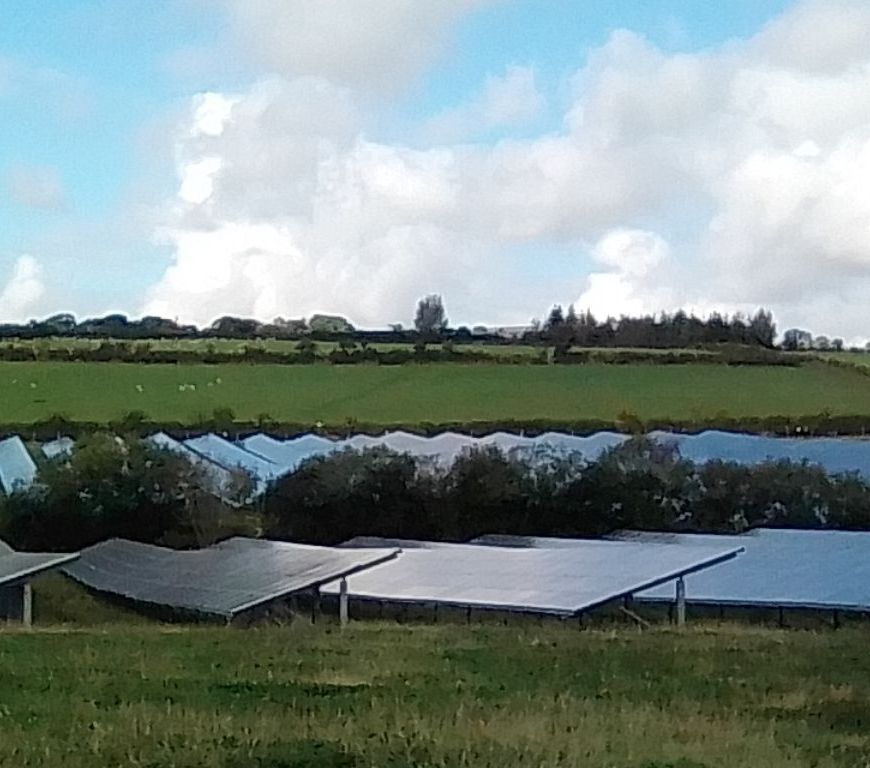
Drawing from his team’s latest Perspective piece, Fabio Carvalho provides an overview of the growth of the solar energy industry in the UK and how we can better evaluate its impact on the environment. Solar farms are fast becoming a common sight across Britain. It is not hard to spot one by the side of a road or by going up a hill and looking … Continue reading How can we make solar energy work for the environment as much as for the climate?

Corina Maurer: Different types of semi-natural habitat are required to sustain diverse wild bee communities across agricultural landscapes

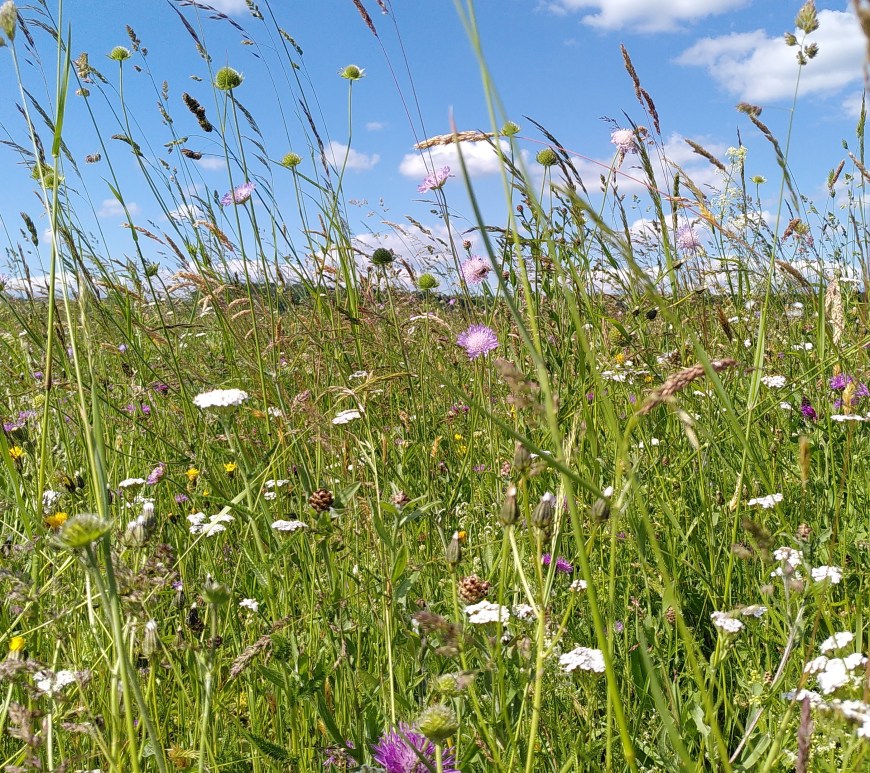
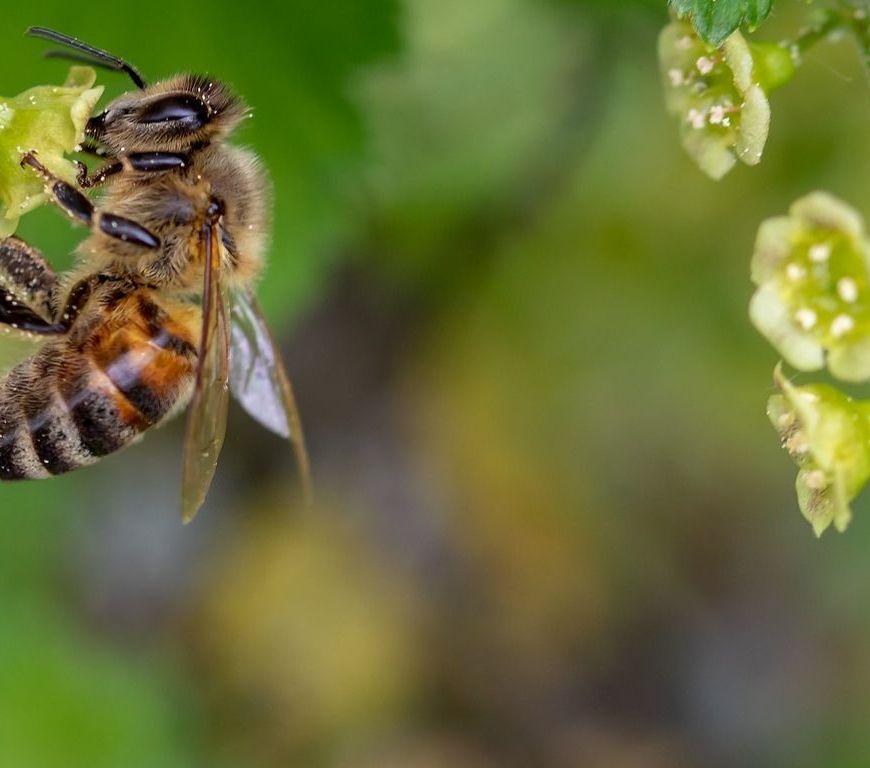
Shortlisted for the Southwood Prize 2022 Corina Maurer talks us through her and colleagues’ research on how different kinds of habitats are able to maintain a diverse bee community throughout agricultural landscapes. Habitats and bees Open habitat mosaics, such as grasslands interspersed with hedgerows that existed more than 150 years ago, were home to very diverse wild bee communities. But, the once so diverse and … Continue reading Corina Maurer: Different types of semi-natural habitat are required to sustain diverse wild bee communities across agricultural landscapes

Smart orchard design improves crop pollination

In their new research article, Mina Anders (University of Göttingen, Germany) and colleagues compared the effects of agronomic practices, including agronomic inputs (irrigation and managed honey bees), orchard design without external inputs (spatial orchard structure), and landscape factors on nut production in South African macadamia orchards. The need for sustainable agricultural practices Conventional agricultural intensification causes biodiversity loss and environmental degradation. To reduce these impacts, … Continue reading Smart orchard design improves crop pollination

M²-gardens to probe the rural landscape

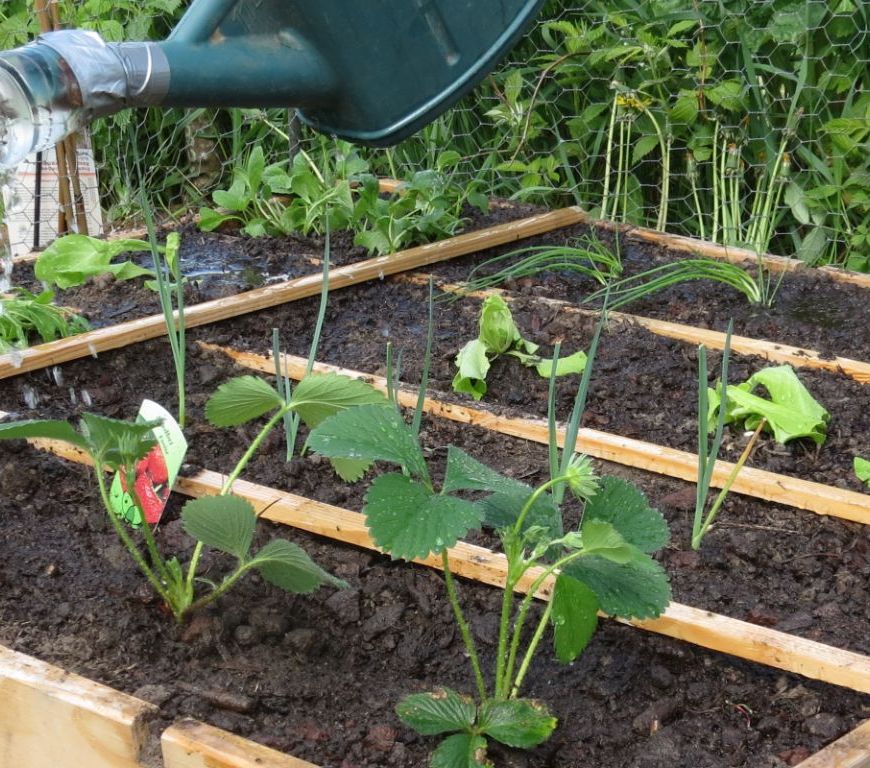
Frederik Gerits discusses their recently published article. Published in Journal of Applied Ecology, the article shows how variation in local land use types influence both biotic (e.g. presence and abundance of predatory arthropods and pollinators) and abiotic parameters (e.g. microclimate variation) in a peri-urban landscape. Our hypothesis is that these influences of landscape composition might further play a role in the resilience of landscapes in … Continue reading M²-gardens to probe the rural landscape

Can pasture-fed livestock farming practices improve the ecological condition of grasslands?

Innovative farmers are adopting agro-ecological approaches to producing beef which they believe are better for biodiversity and soils. Lisa Norton (UK Centre for Ecology and Hydrology) and colleagues investigated the validity of these claims by comparing their grassland to those across the wider countryside surveyed as part of the national GB Countryside Survey.  Public concerns about the environmental impacts of meat production add to the … Continue reading Can pasture-fed livestock farming practices improve the ecological condition of grasslands?

Editor’s Choice 60:1 Weed communities are more diverse, but not more abundant, in dense and complex bocage landscapes

Associate Editor Pieter De Frenne talks us through a new research article by Boinot et al which found that the weed communities in bocage landscapes were functionally more diverse, creating important implications for the management of agricultural bocage landscapes. One of the cornerstones of many national and international agricultural policies, such as the EU Green Deal, is to transition to a sustainable food system and … Continue reading Editor’s Choice 60:1 Weed communities are more diverse, but not more abundant, in dense and complex bocage landscapes

How much agri-environment provision is required to reverse farmland bird declines?

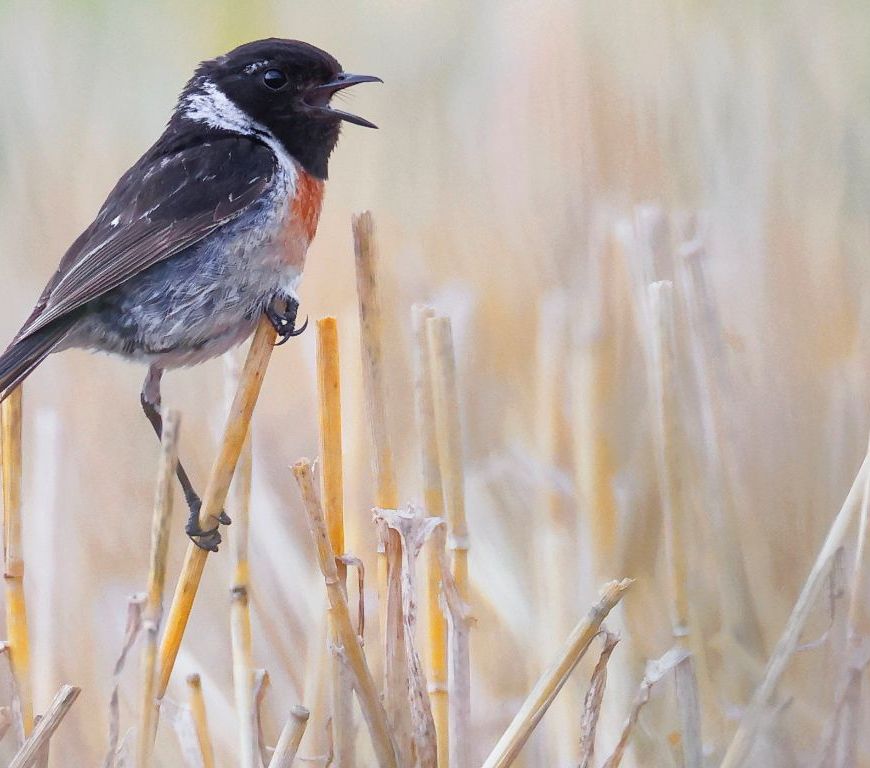
Dr Robert Hawkes, RSPB Conservation Scientist, explains the findings of a recently published article. Here, RSPB and BTO scientists, in partnership with Natural England, explore how much bird-friendly agri-environment management is needed to stabilise or reverse farmland bird declines. The UK government has recently committed to halting species abundance declines in England by 2030, with similar timebound EU targets currently under discussion. With many species … Continue reading How much agri-environment provision is required to reverse farmland bird declines?

De relatie tussen oogstvermindering en begrazingsdruk door ganzen – implicaties voor beheer

Nelleke Buitendijk bespreekt het nieuwste onderzoek van haar team uit het nieuw verschenen artikel. Hoogtepunten zijn onder meer dat het verminderen van de overvloed aan herbivoren zich mogelijk niet direct vertaalt in een verminderd opbrengstverlies en dat beheersinstrumenten met zorg moeten worden gebruikt. Continue reading De relatie tussen oogstvermindering en begrazingsdruk door ganzen – implicaties voor beheer

The relationship between yield loss and goose grazing pressure – implications for management of wild herbivores

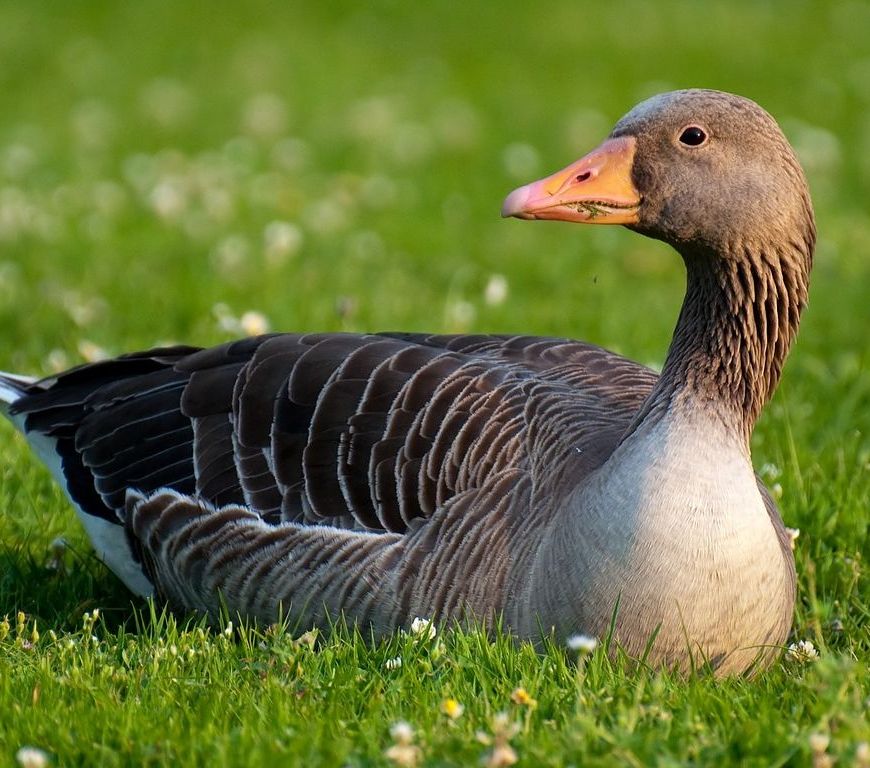
This post is also available in Dutch here. Nelleke Buitendijk discusses a newly published study from her and her colleagues on the impact of grazing on agricultural grasslands. Highlights include that decreasing herbivore abundance may not directly translate to a decreased yield loss, and that management tools should be used with care. Grazing by geese can cause a lot of damage to agricultural crops. Goose … Continue reading The relationship between yield loss and goose grazing pressure – implications for management of wild herbivores

Farmstead modernization affects farmland birds

Martin Mayer and Martin Šálek take us through their latest research into how old ‘messy’ farmsteads may actually be bird hotspots and how modernization changes this. Old cow sheds are a great place for farmland birds. There are many cracks, corners and beams in these old brick buildings where birds can build their nests. The bedding material for the cows is straw or hay, and … Continue reading Farmstead modernization affects farmland birds