Habitat availability alters the relative risk of a bovine tuberculosis breakdown in the aftermath of a commercial forest clearfell disturbance

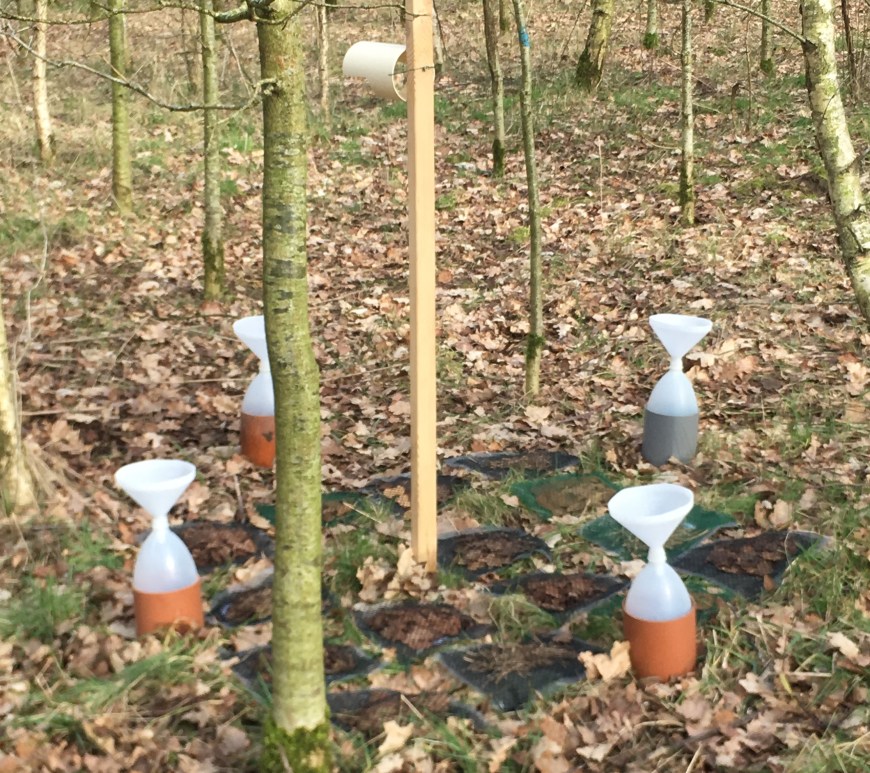
In their new study, Murphy et al. discuss the relationship between human modification of landscapes and zoonotic disease emergence and spread, through their case study of bovine tuberculosis in Ireland. The interconnectedness of ecosystems is one of the most endearing facets of landscape ecology. Yet, it presents the biggest challenge for applied ecologists seeking to understand the cause and effect of ecosystem modification. Changes to … Continue reading Habitat availability alters the relative risk of a bovine tuberculosis breakdown in the aftermath of a commercial forest clearfell disturbance

Karuk traditional ecological knowledge enhances elk habitat in Northern California

In their new article, Connor et al. discuss how prescribed forest burning that uses Karuk traditional ecological knowledge can have significant benefits for elk habitat. In a Northern California landscape increasingly plagued by severe wildfire, cultural burning, prescribed fire and forest management principles put into practice for generations by Karuk Tribal members are being brought back to restore fire adapted landscapes. Our research shows that … Continue reading Karuk traditional ecological knowledge enhances elk habitat in Northern California

Editor’s Choice 59:6: Tree species mixing amplify forest microclimate offsets in European forests

Associate Editor, Sharif Mukul, introduces this month’s Editor’s Choice article by Zhang and colleagues, which shows that microclimate offsetting depends on tree species identity and diversity, and that buffered forest microclimates can be achieved rapidly in young plantations, depending on the species being planted.  Tree canopies can significantly buffer temperature fluctuations and enhance water availability, which has the potential to mitigate the effects of macroclimate … Continue reading Editor’s Choice 59:6: Tree species mixing amplify forest microclimate offsets in European forests

Riparian reserves protect butterfly communities in selectively logged tropical forest

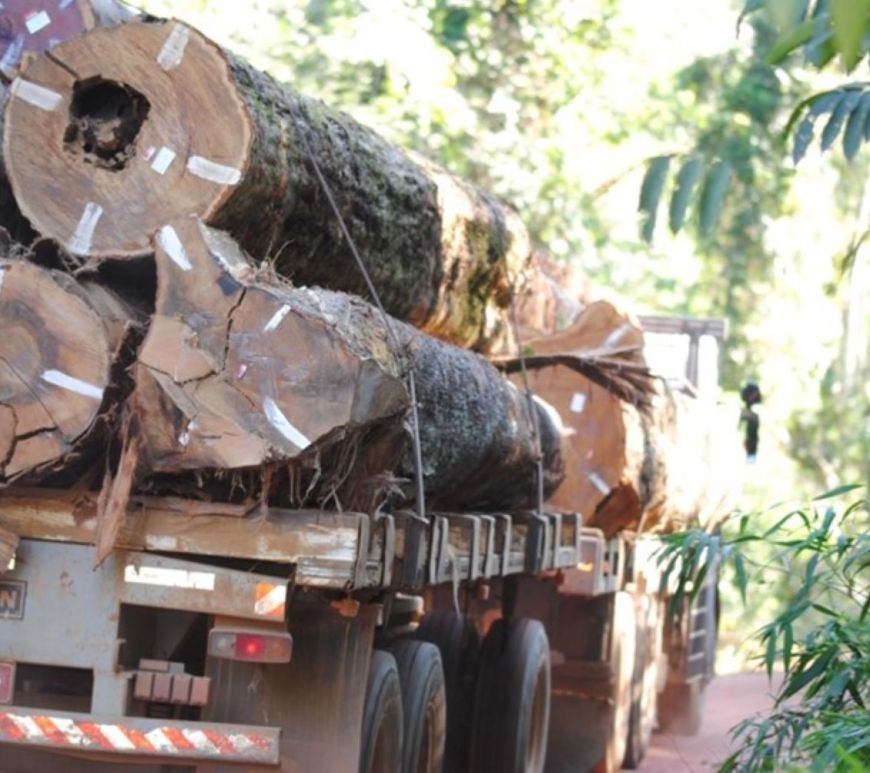
In their new study, Gabriela Montejo-Kovacevich and colleagues consider whether riparian zones provide biodiversity conservation benefits for Butterflies. Selectively logged tropical forest is now more widespread than old-growth primary forest, except in the Amazon and Papua New Guinea. Logging forests for timber is less devastating for biodiversity than other types of land-use change that are ravaging through tropical regions, such as conversion to agriculture or … Continue reading Riparian reserves protect butterfly communities in selectively logged tropical forest

Acelerando la sucesión secundaria: uso de árboles tolerantes a la sombra para la restauración del bosque de niebla

Esta publicación de blog también está disponible en inglés aquí. Tarin Toledo-Aceves y sus colegas describen sus últimas investigaciones y la importancia de los árboles tolerantes a la sombra en los proyectos de restauración forestal Las iniciativas de reforestación y restauración comúnmente utilizan especies de árboles pioneras de rápido crecimiento. Sin embargo, un alto número de especies tolerantes a la sombra se encuentran amenazadas por … Continue reading Acelerando la sucesión secundaria: uso de árboles tolerantes a la sombra para la restauración del bosque de niebla

Accelerating secondary succession: using shade-tolerant trees for cloud forest restoration

This blog post is also available in Spanish here. Tarin Toledo-Aceves and colleagues describe their latest research and the importance of shade tolerant trees in forest restoration projects. Reforestation and restoration initiatives commonly use fast-growing pioneer tree species. However, a high number of shade-tolerant species are threatened by deforestation and overharvesting, and unlike pioneer species, they have no seed banks on the ground and are … Continue reading Accelerating secondary succession: using shade-tolerant trees for cloud forest restoration

The surprising connections between deer and the forest canopy

Ungulates place immense consumptive pressure on forest vegetation globally, leaving legacies of reduced biodiversity and simplified vegetative structure. In their latest research, Samuel Reed and colleagues sought to determine whether browse-induced changes occurring early in succession ultimately manifest themselves in the developed forest canopy. Herbivores are incredibly influential around the world and can re-shape entire ecosystems over time. In North American temperate forests, white-tailed deer … Continue reading The surprising connections between deer and the forest canopy

A tool to guide the selection of tree species and seed sources for forest landscape restoration

In their latest research, Tobias Fremout and colleagues present a scalable and freely available online tool, Diversity for Restoration (D4R), to identify suitable tree species and seed sources for climate-resilient tropical forest landscape restoration. Governments, NGOs and companies around the world have made ambitious pledges to restore the Earth’s degraded ecosystems. These grand commitments, such as the Bonn Challenge and the One Trillion Tree Initiative, … Continue reading A tool to guide the selection of tree species and seed sources for forest landscape restoration

Oportunidades para conservar las aves migratorias y al mismo tiempo beneficiar a los vertebrados residentes amenazados en América Latina

Esta publicación también está disponible en inglés aquí. Cada año, millones de aves migratorias salen de sus áreas de reproducción en los bosques templados de Canadá y Estados Unidos y migran a sus territorios de invernada en los bosques tropicales de América Latina en donde pasan entre seis y nueve meses entre una rica diversidad de especies Neotropicales residentes. Muchas especies de aves migratorias están … Continue reading Oportunidades para conservar las aves migratorias y al mismo tiempo beneficiar a los vertebrados residentes amenazados en América Latina

Opportunities to conserve migratory birds and at the same time benefit threatened resident vertebrates in Latin America

This blog is also available in Spanish here Biodiversity conservation requires decisions about how to efficiently allocate limited resources among management strategies, locations and species. In their latest research, Wilson et al. demonstrate how novel, high-resolution information on species distributions and risk of forest loss can be integrated to identify priority areas for the two groups at regional and landscape scales. Each year, millions of … Continue reading Opportunities to conserve migratory birds and at the same time benefit threatened resident vertebrates in Latin America