Knowing where your coffee comes from has the potential to aid restoration efforts 

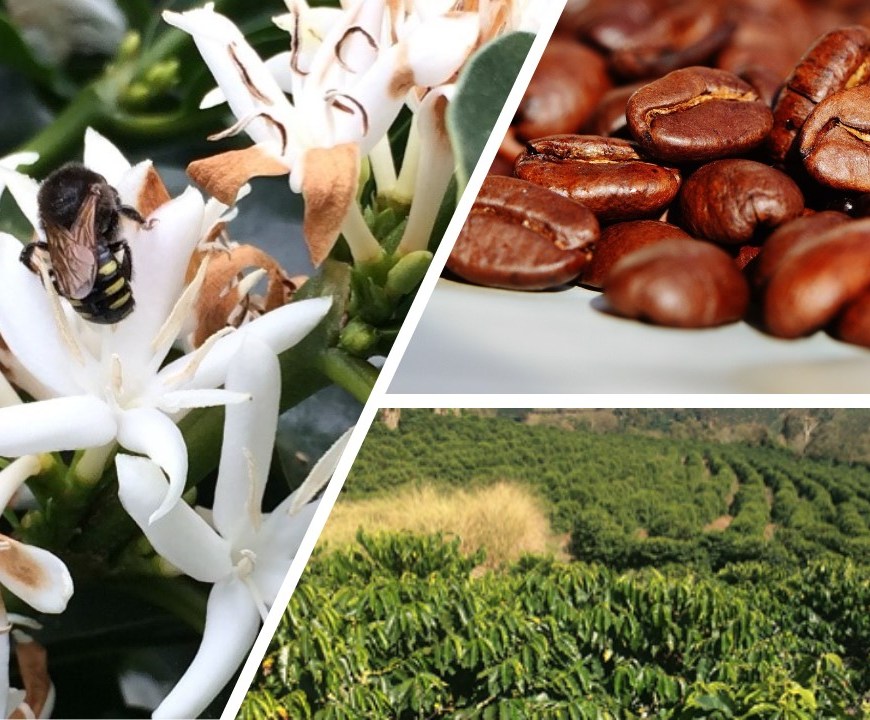
In a new study, González-Chaves and colleagues assessed pollination benefits at a national scale by identifying where pollination services are more likely to be provided by native bees as a result of forest conservation. Coffee is a highly traded crop, which is produced in the tropics and enjoyed across the globe. Like most crops, coffee benefits from pollination services. However, this is rarely considered by … Continue reading Knowing where your coffee comes from has the potential to aid restoration efforts 

Una mayor cobertura forestal y matrices menos contrastantes mejoran el servicio de remoción de carroña por insectos carroñeros en paisajes tropicales

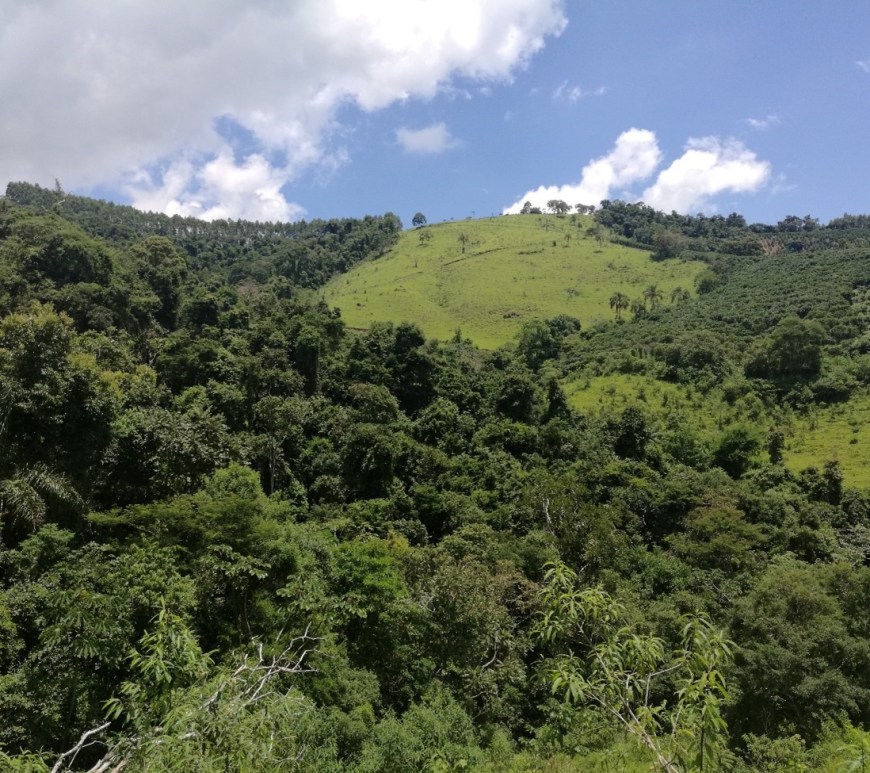
This post is also available in English (here) and Portuguese (here). Animales muertos es algo que mucha gente prefiere evitar: son visualmente desagradable, huelen realmente… simplemente son espantosos. Sin embargo, los animales involucrados en la descomposición de la carroña juegan un papel clave en la funcionalidad del ecosistema. Animales carroñeros (como buitres, algunos mamíferos o insectos) previene la acumulación de cadáveres, facilitan la distribución y … Continue reading Una mayor cobertura forestal y matrices menos contrastantes mejoran el servicio de remoción de carroña por insectos carroñeros en paisajes tropicales

Maior cobertura florestal e matrizes menos contrastantes melhoram o serviço de remoção de carniça por insetos necrófagos em paisagens tropicais

This post is also available in English (here) and Spanish (here). Carniça é algo que as pessoas evitam: é algo visualmente desagradável, cheira muito mal… é simplesmente horrível. Entretanto, os animais envolvidos na decomposição da carniça tem um papel chave na funcionalidade do ecossistema. Animais necrófagos (i.e., que se alimentam de carniça) como os urubús, alguns mamíferos e insetos, previnem a acumulação de carcaças, facilitam … Continue reading Maior cobertura florestal e matrizes menos contrastantes melhoram o serviço de remoção de carniça por insetos necrófagos em paisagens tropicais

Higher forest cover and less contrasting matrices improve carrion removal service by scavenger insects in tropical landscapes

This post is also available in Spanish (here) and Portuguese (here) In their latest research, Alvarado-Montero et al. assess the impact of landscape structure and matrix contrast on carrion removal by scavenger insects, an often overlooked but crucial ecosystem service which is important for nutrient cycling and disease control. Carrion is something that many people choose to avoid. However, animals involved in carrion decomposition play … Continue reading Higher forest cover and less contrasting matrices improve carrion removal service by scavenger insects in tropical landscapes

The hidden benefits of chocolate: cacao agroforests offer a conservation solution that supports biodiversity and livelihoods.

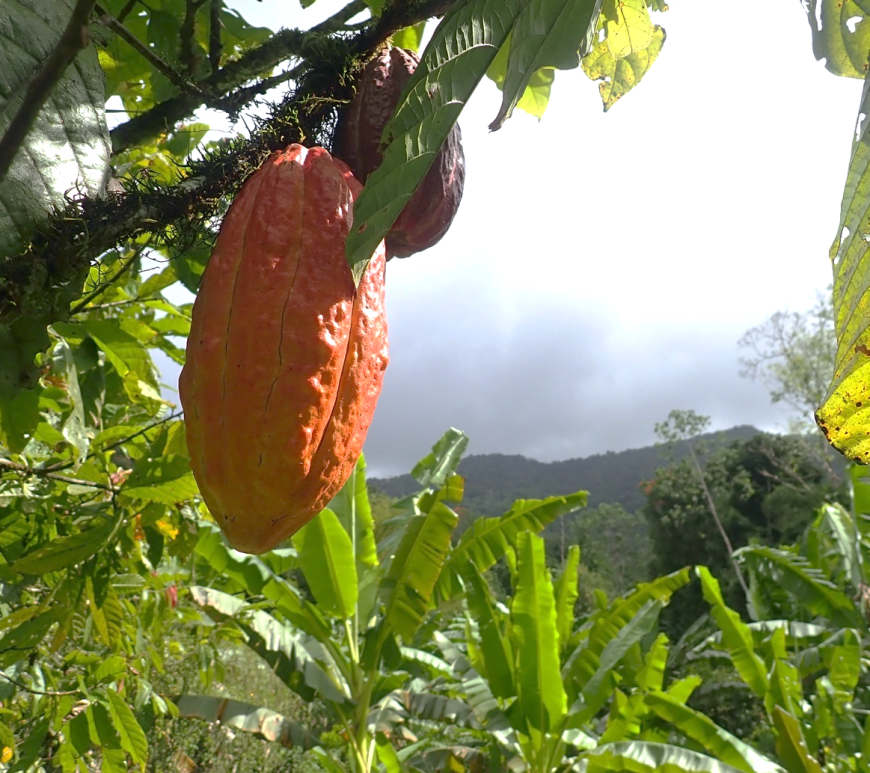
New work by Arnold and colleagues shows that sustainably grown cacao is a conservation solution which can support both people and nature, and that cacao agroforests and secondary forest can enrich regional biodiversity. Conservation initiatives have traditionally focused on protecting untouched natural areas. While this is important, we also need to understand how biodiversity can be promoted not as an alternative to human use of … Continue reading The hidden benefits of chocolate: cacao agroforests offer a conservation solution that supports biodiversity and livelihoods.

Do birds like African chocolate (farms)?

In their latest research, Jarrett and colleagues report the first in‐depth investigation into avian diversity and community composition in African cocoa farms, by assembling a dataset of 9,566 individual birds caught across 83 sites over 30 years in Southern Cameroon. Cocoa, the primary ingredient in all our beloved chocolate products, is grown across the tropics using a range of agricultural practices. Originating in the understory of … Continue reading Do birds like African chocolate (farms)?

Wildfires: Are we ready for the future?

In the past 18 months we’ve witnessed some of the worst wildfire seasons in our history. With insight from relevant experts, Dr Eric Kennedy and Luke Smith – let’s delve into some of the key logistical challenges we’re facing in wildfire response. With record breaking temperatures, less predictable rainfall and an increase in extreme weather events, it is not surprising that fire seasons are changing. … Continue reading Wildfires: Are we ready for the future?

Tropical riparian forests in danger from large savanna wildfires

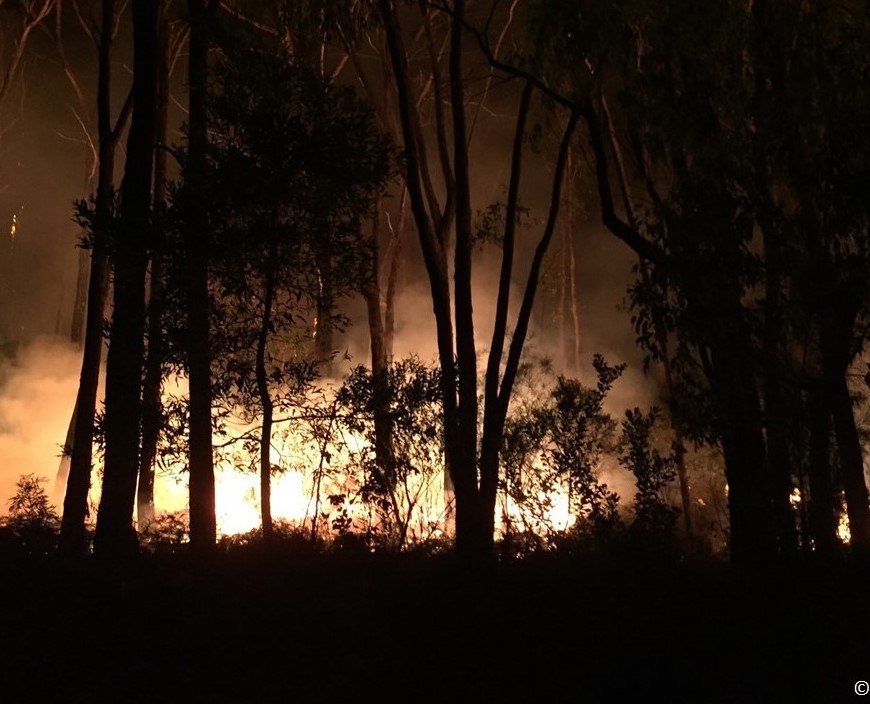
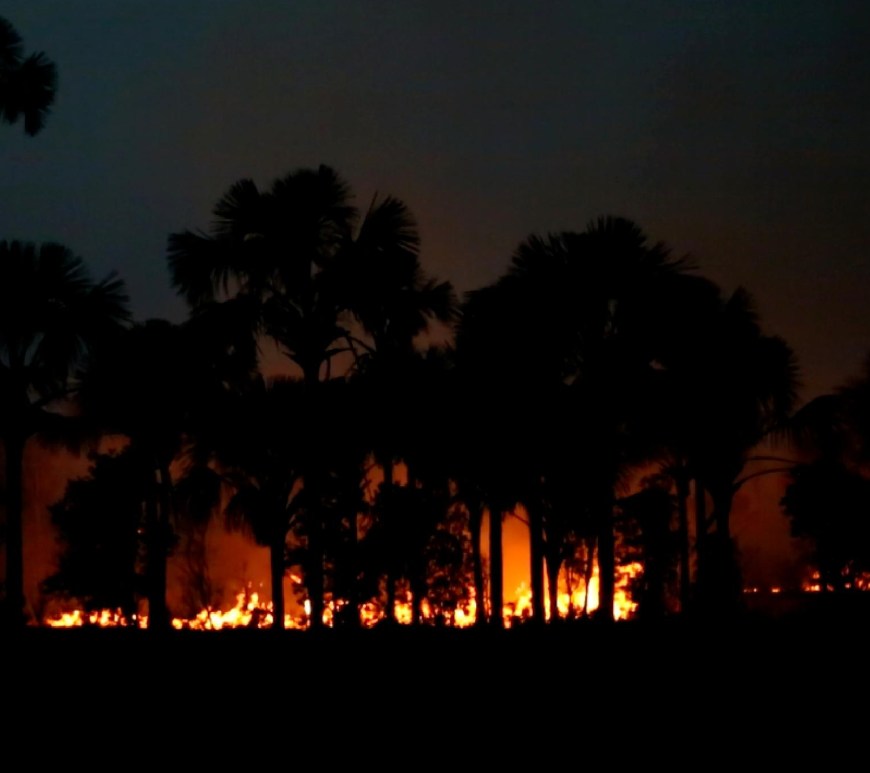
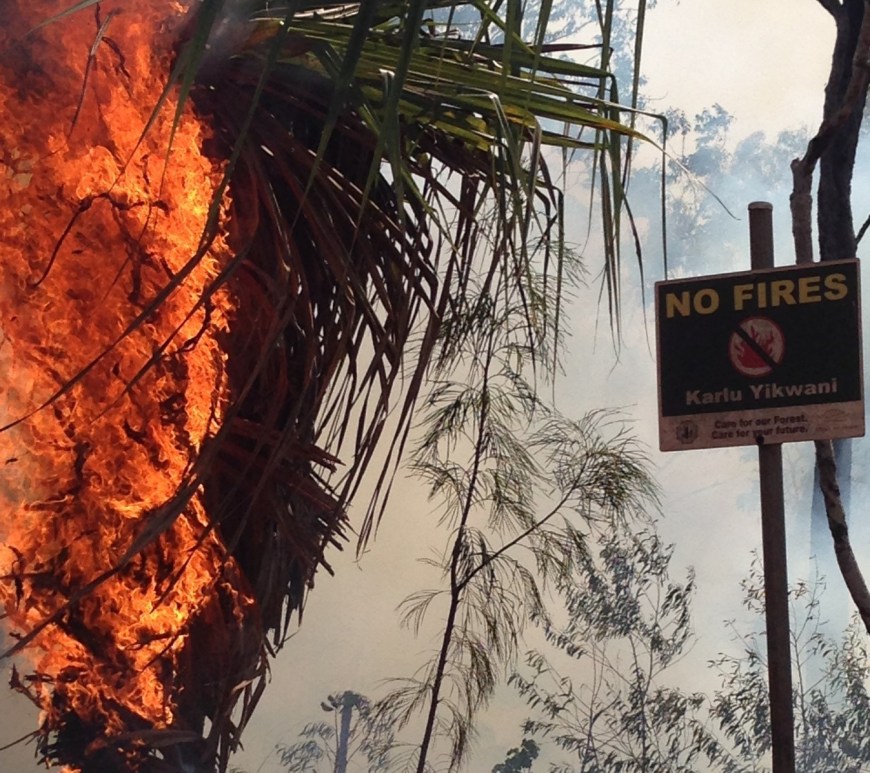
In their latest research, Flores and colleagues combine satellite image analysis with detailed field assessments, to quantify the impact caused by large wildfires on riparian forests in the Chapada dos Veadeiros National Park (CVNP). Large savanna wildfires are increasing across the tropics because of a synergism between climate change and unsustainable management practices. In Brazil, for instance, savannas of the Cerrado and Pantanal have recently … Continue reading Tropical riparian forests in danger from large savanna wildfires

Investigating the effects of fire management on savanna biodiversity with grid‐based spatially explicit population simulations

The development of effective fire management regimes is a global challenge. New research from Davies and colleagues aims to develop a flexible modelling approach to investigate how the spatiotemporal application of fire influences savanna biodiversity. Despite the integral role that fire plays in the functioning of ecosystems around the world, there remain few areas where the occurrence of fire has not been disrupted, in some … Continue reading Investigating the effects of fire management on savanna biodiversity with grid‐based spatially explicit population simulations

Editor’s Choice 57:12 – Best-practice forestry management delivers diminishing returns for coral reefs with increased land-clearing

Associate Editor, Dr Kiran Dhanjal-Adams, introduces the December Editor’s Choice paper, which demonstrates that sediment runoff from industrial logging can affect food security and livelihoods in the Solomon Islands. Kolombangara is an island in the Western Province of the Solomon Islands in the South West Pacific. The island harbors a large variety of ecosystems, ranging from mangrove ecosystems at sea level to cloud forest ecosystems along the crater, … Continue reading Editor’s Choice 57:12 – Best-practice forestry management delivers diminishing returns for coral reefs with increased land-clearing