De relatie tussen oogstvermindering en begrazingsdruk door ganzen – implicaties voor beheer

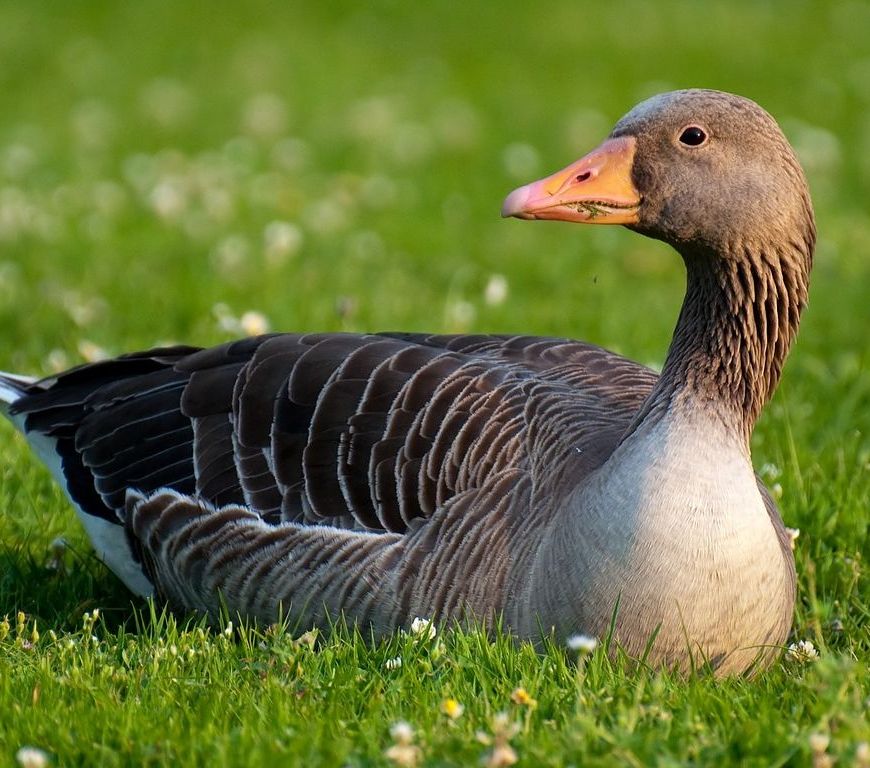
Nelleke Buitendijk bespreekt het nieuwste onderzoek van haar team uit het nieuw verschenen artikel. Hoogtepunten zijn onder meer dat het verminderen van de overvloed aan herbivoren zich mogelijk niet direct vertaalt in een verminderd opbrengstverlies en dat beheersinstrumenten met zorg moeten worden gebruikt. Continue reading De relatie tussen oogstvermindering en begrazingsdruk door ganzen – implicaties voor beheer

The relationship between yield loss and goose grazing pressure – implications for management of wild herbivores

This post is also available in Dutch here. Nelleke Buitendijk discusses a newly published study from her and her colleagues on the impact of grazing on agricultural grasslands. Highlights include that decreasing herbivore abundance may not directly translate to a decreased yield loss, and that management tools should be used with care. Grazing by geese can cause a lot of damage to agricultural crops. Goose … Continue reading The relationship between yield loss and goose grazing pressure – implications for management of wild herbivores

How can we limit wind turbine impacts on biodiversity?

There are growing concerns about the impact of renewable energy development on biodiversity. In their latest research, Camille Leroux and colleagues from the National Museum of Natural History of Paris, France, explore how wind turbines impact bat spatial distribution. World-wide policies have led to a drastic increase in renewable energy developments to tackle climate emergencies, either using solar, tidal or wind energy. While these energies … Continue reading How can we limit wind turbine impacts on biodiversity?

Badger social structure maintained despite selective culling

In their new study, Allen et al. present a case study in Northern Ireland (NI) showing how selective culling can be less disruptive to badger social structures than indiscriminate culling. This method could be an effective and more socially acceptable means of controlling bovine tuberculosis (bTB) in wildlife. The SARS-CoV-2 pandemic has raised consciousness on the issue of human disturbance of ecosystems and how this … Continue reading Badger social structure maintained despite selective culling

Home is where the heat is: Thermoregulation of European bats inhabiting artificial roosts and the threat of heat waves

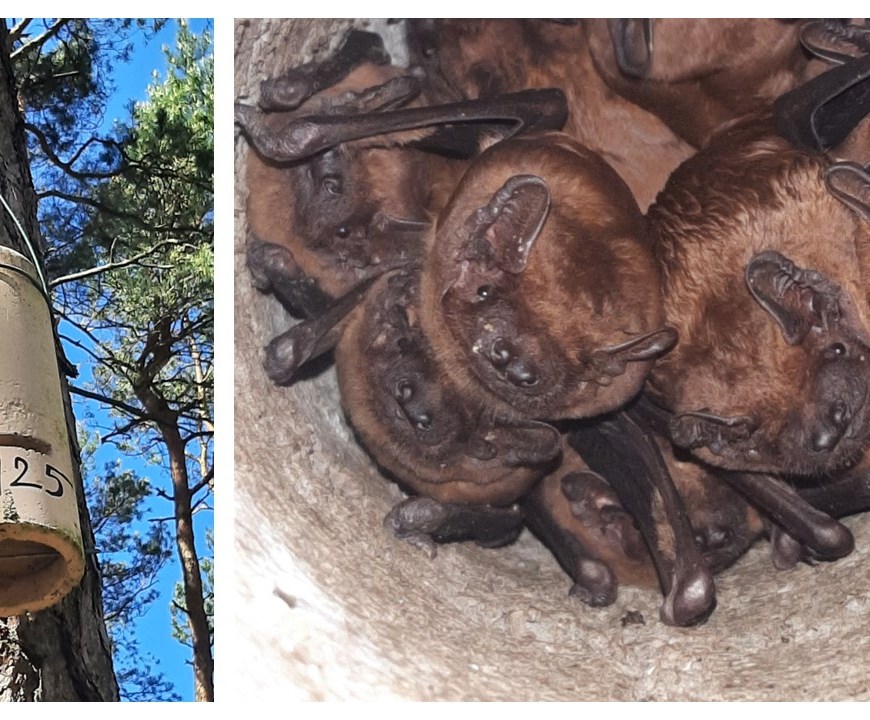
In their new study, Czenze and colleagues demonstrate the importance of placing bat boxes in diverse locations to provide varied roost microclimates. There are over 1400 species of bats on the planet that live in a wide variety of roosts, including caves, buildings, and trees. Many bat species are threatened by climate change and habitat destruction, and this is particularly true for forest bats. Due … Continue reading Home is where the heat is: Thermoregulation of European bats inhabiting artificial roosts and the threat of heat waves

Karuk traditional ecological knowledge enhances elk habitat in Northern California

In their new article, Connor et al. discuss how prescribed forest burning that uses Karuk traditional ecological knowledge can have significant benefits for elk habitat. In a Northern California landscape increasingly plagued by severe wildfire, cultural burning, prescribed fire and forest management principles put into practice for generations by Karuk Tribal members are being brought back to restore fire adapted landscapes. Our research shows that … Continue reading Karuk traditional ecological knowledge enhances elk habitat in Northern California

De Frenne & Vangansbeke: How dogs fertilize nature reserves and woodlands close to cities

Research by De Frenne et al. published earlier this year revealed that dogs excrements contribute a significant amount of nutrients to nature reserves and warned of their potential negative impact on local biodiversity. Here, the authors respond to the international media coverage and the subsequent questions and comments they have received since their study went global. We recently published an article in Ecological Solutions and … Continue reading De Frenne & Vangansbeke: How dogs fertilize nature reserves and woodlands close to cities

Chico Mendes Prize 2021: early career practitioner winner announced

We’re excited to announce Alexandro Leverkus as the winner of the 2021 Chico Mendes Prize, celebrating the best Practice Insights article in the journal by an author at the start of their career. Winner: Alexandro Leverkus Research: Enabling conditions for the implementation and conservation outcomes of a private nature reserve About the study Public nature reserves are often the cornerstone of nature conservation but are … Continue reading Chico Mendes Prize 2021: early career practitioner winner announced

Hotspots in the Grid: Avian sensitivity and vulnerability to collision risk from energy infrastructure interactions In Europe and North Africa

A new paper, led by Jethro Gauld from the University of East Anglia and colleagues from across Europe, demonstrates how GPS tracking data can be a powerful tool for identifying areas where birds are most sensitive to new renewable energy development due to collision risks. The transition to zero carbon energy is essential to avoid runaway climate change. As nations strive to achieve their Net … Continue reading Hotspots in the Grid: Avian sensitivity and vulnerability to collision risk from energy infrastructure interactions In Europe and North Africa

Large African herbivore diversity is essential in transformed landscapes for conserving dung beetle diversity

In their new study, Pryke, Roets and Samways discuss how a diverse range of large African herbivore species is essential for the conservation of dung beetles within transformed landscapes, and argue that the maintenance of functional diversity outside protected areas requires the inclusion of large mammals in conservation plans. Dung beetles need the dung of large mammals to feed and reproduce. In doing so, they … Continue reading Large African herbivore diversity is essential in transformed landscapes for conserving dung beetle diversity