Collision avoidance: Navigating ships through recovering whale populations

In this blog post, Emily Hague and team discuss their latest research into the importance of careful consideration of collision-mapping approach and data selection when it comes to predicting high-risk vessel collision areas for whales. For conservationists and those that care about nature and our planet, the news can feel incredibly bleak, with daily (deservedly) scary stories of extreme climate change related temperatures, species fighting … Continue reading Collision avoidance: Navigating ships through recovering whale populations

Evaluating songbird vulnerability to offshore wind turbine mortality

Leon Green-Tkacenko and co-authors share insight into their recent study that explores how existing vulnerability indices for seabirds can be applied to migrating songbirds, and potentially other migrating birds, in evaluating vulnerability to offshore wind turbine morality. What is the problem? Climate change is the most pressing threat to biodiversity in the 21st century andaddressing this threat will require substantial changes to how we generate … Continue reading Evaluating songbird vulnerability to offshore wind turbine mortality

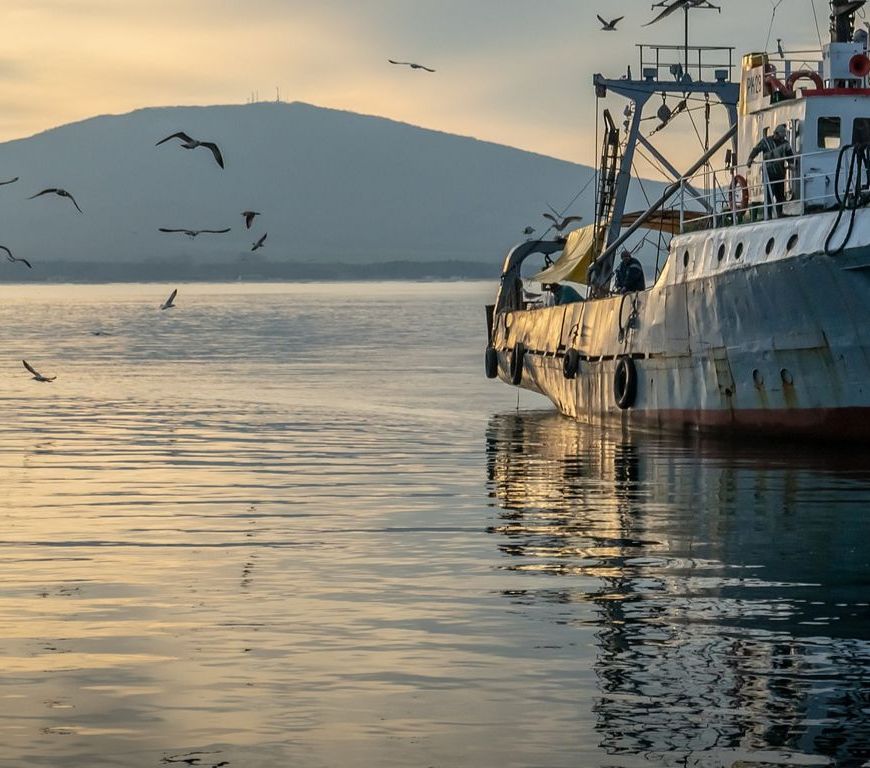
Spearfishing-fish behavioural interactions as predator-prey systems to envision better management

Author Valerio Sbragaglia and his colleagues guide us through a recent study which advances the understanding of spearfisher-fish behavioural interaction by integrating ecological indicators (i.e., flight and post flight behaviour of fish) with spearfishers’ likelihood to catch a fish. Through modelling and simulating scenarios, their study sheds light on management implications in exploited fish populations. Exploring spearfishing and fish behaviour If you ask spearfishers, they … Continue reading Spearfishing-fish behavioural interactions as predator-prey systems to envision better management

Tracking koalas – how airborne DNA can help us

In this blog post, Nicola Jackson shares the findings from their latest study looking at how sampling air particles to detect DNA can be useful in monitoring and conserving koalas. Perched high up in a Eucalyptus tree, swaying from side to side, lies a sleepy koala unaware of the means spent each year trying to obtain accurate baseline information about its presence. We have thrown … Continue reading Tracking koalas – how airborne DNA can help us

Gulls as evil and allies to detect antibiotic resistance in agricultural environments

Víctor Martín and Joan Navarro talk us through how gulls tagged with GPS and tested for pathogens can be used as tools to detect early pathogen circulation and pollution sources in the environment. This is explored further in their new research article. Antimicrobial resistance is a global health challenge, exacerbated by the overuse of antibiotics in both human and veterinary medicine. The emergence and spread of … Continue reading Gulls as evil and allies to detect antibiotic resistance in agricultural environments

Combining local ecological knowledge with camera traps: African mammal life-history traits and their occurrence in anthropogenic landscapes

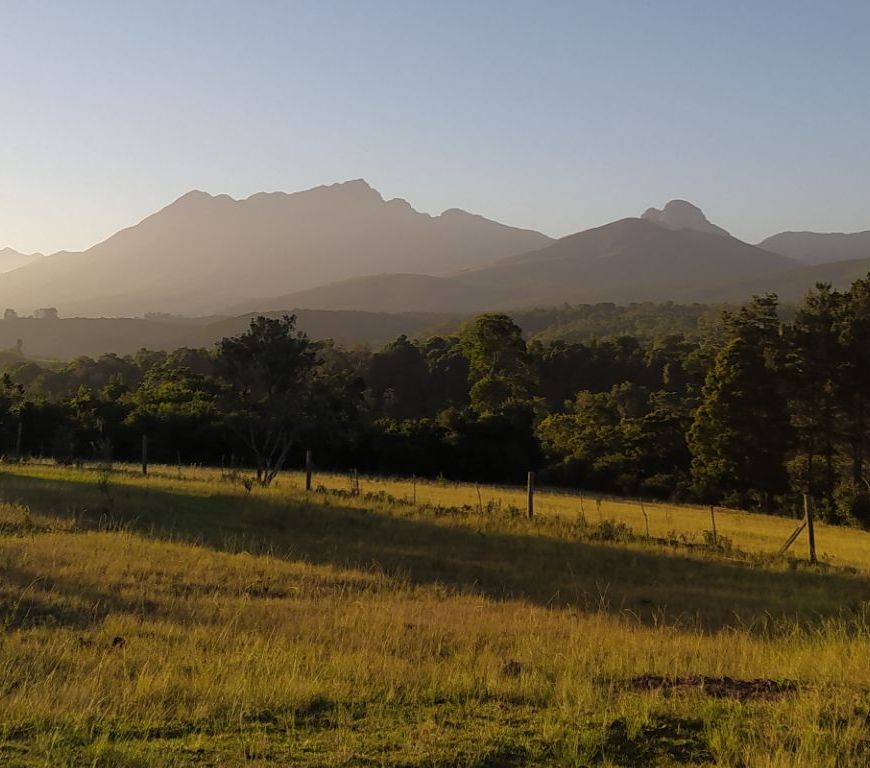
Alice Bernard and co-authors describe how they have jointly used local ecological knowledge and camera trap data. With hindsight, they discuss how involving local people in research projects can enhance conservation efforts in the Garden Route Biosphere Reserve (GRBR), South Africa. The Garden Route National Park (GRNP), in the eponym Biosphere Reserve, is one of the only truly unfenced National Parks in South Africa. The … Continue reading Combining local ecological knowledge with camera traps: African mammal life-history traits and their occurrence in anthropogenic landscapes

Elephant expressways: Examining multi-scalar elephant connectivity in KAZA

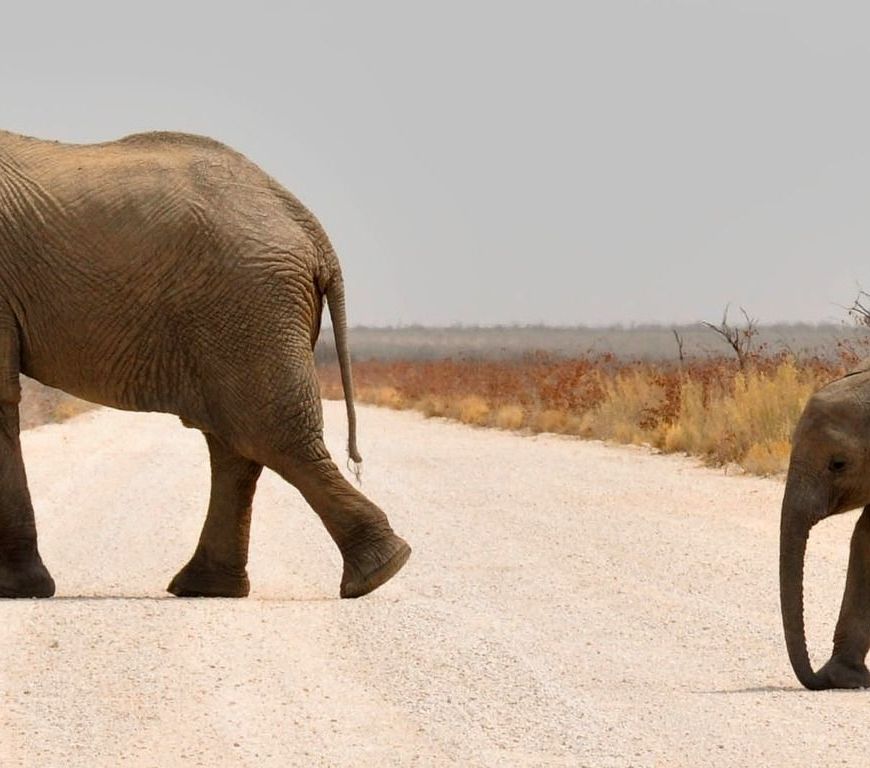
Callie Cho and Robin Naidoo talk us through how, using observed animal movements rather than conventional resistance surface models, a connectivity conservation blueprint for African elephants in the Kavango-Zambezi transfrontier conservation area (KAZA) in southern Africa was produced. This is explored further in the new research article. A key aspect of effective conservation management is understanding landscape connectivity—how easily animals can move between vital resource … Continue reading Elephant expressways: Examining multi-scalar elephant connectivity in KAZA

Wide-scale rangeland condition monitoring: Measurement of increased vegetation cover following stock removal and conservation management

Angus Retallack explains how, using remote sensing data over a 22-year observation period, vegetation recovery after the removal of livestock and the introduction of conservation-focused management can be assessed. Arid and semi-arid rangelands cover close to 50% of the Earth’s land surface and are relied upon by a diverse range of stakeholders including Indigenous people, pastoralists and environmental conservationists. Sustainable use and conservation of these … Continue reading Wide-scale rangeland condition monitoring: Measurement of increased vegetation cover following stock removal and conservation management

Up in the trees – research into dormouse survey methods

Author Debbie Barlett shares her latest study that assesses whether current dormice survey methods are fit to produce accurate results. Where did the idea come from? I’ve always felt my role as programme leader for the MSc in Environmental Conservation at the University of Greenwich was to encourage students to question what they are being taught. This is particularly important during fieldwork, from the preparatory … Continue reading Up in the trees – research into dormouse survey methods

A safe passage: Protecting migratory birds in the North Sea

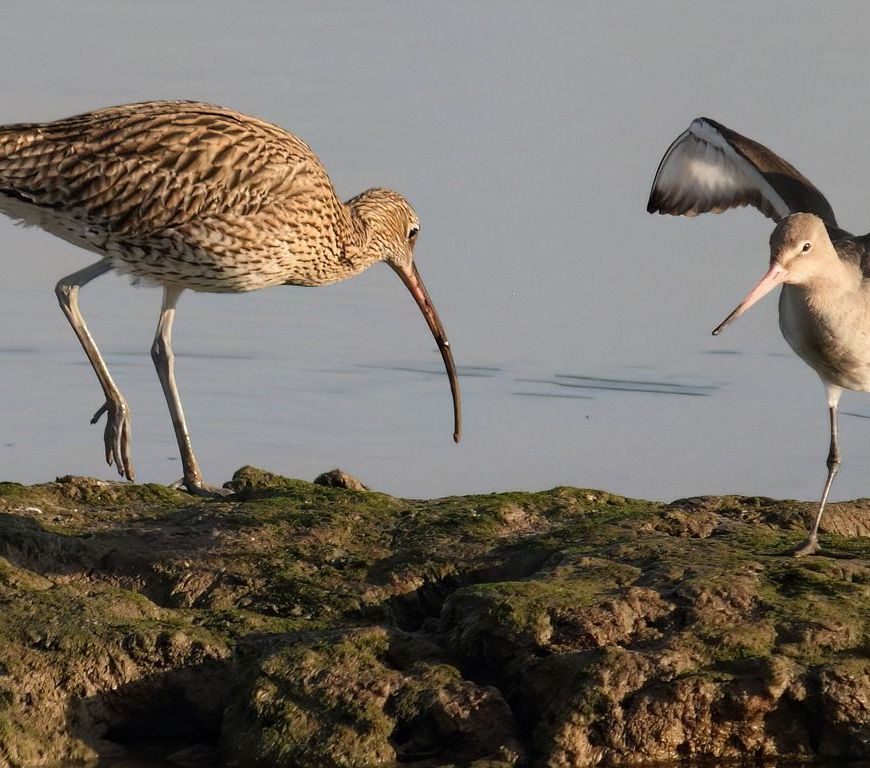
Maja Bradarić summarises how, alongside colleagues, they used 5 years of tracking bird radar data, weather and phenological variables to develop seasonal forecasts of bird migration over the southern North Sea. These forecasts of nocturnal bird migration may be used to define curtailment thresholds for offshore wind energy. In May 2023, turbines in two offshore wind farms in the Dutch North Sea came to a virtual … Continue reading A safe passage: Protecting migratory birds in the North Sea