Gulls as evil and allies to detect antibiotic resistance in agricultural environments

Víctor Martín and Joan Navarro talk us through how gulls tagged with GPS and tested for pathogens can be used as tools to detect early pathogen circulation and pollution sources in the environment. This is explored further in their new research article. Antimicrobial resistance is a global health challenge, exacerbated by the overuse of antibiotics in both human and veterinary medicine. The emergence and spread of … Continue reading Gulls as evil and allies to detect antibiotic resistance in agricultural environments

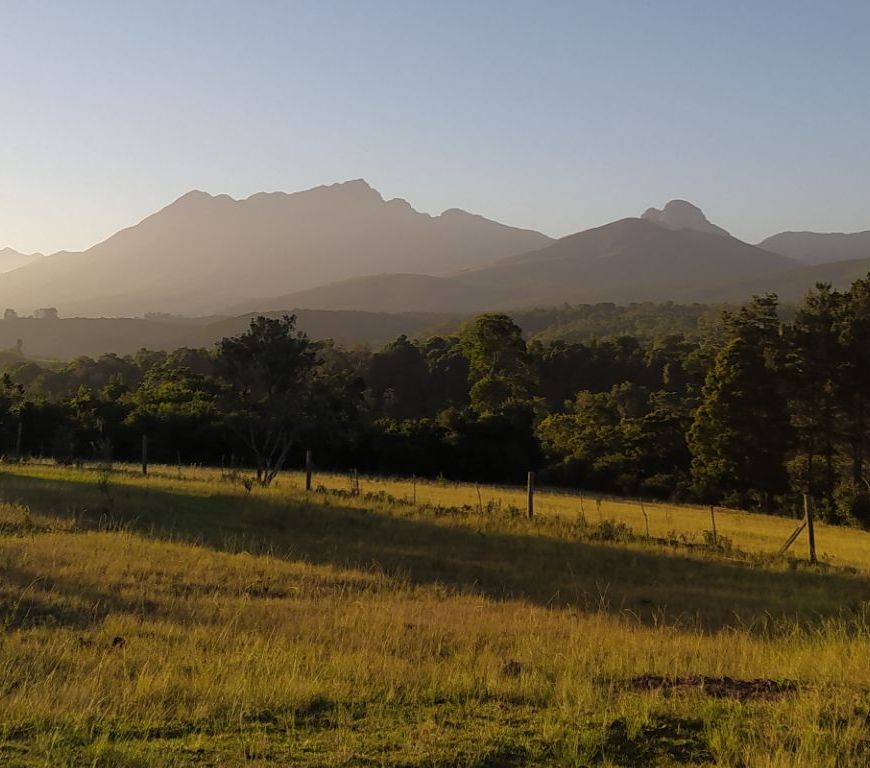
Combining local ecological knowledge with camera traps: African mammal life-history traits and their occurrence in anthropogenic landscapes

Alice Bernard and co-authors describe how they have jointly used local ecological knowledge and camera trap data. With hindsight, they discuss how involving local people in research projects can enhance conservation efforts in the Garden Route Biosphere Reserve (GRBR), South Africa. The Garden Route National Park (GRNP), in the eponym Biosphere Reserve, is one of the only truly unfenced National Parks in South Africa. The … Continue reading Combining local ecological knowledge with camera traps: African mammal life-history traits and their occurrence in anthropogenic landscapes

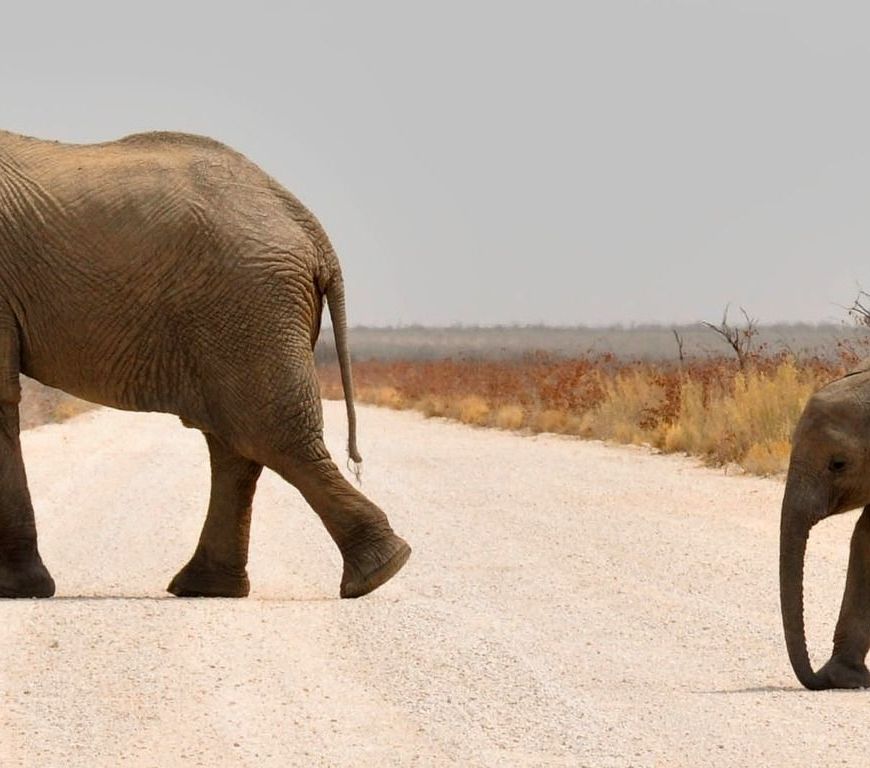
Elephant expressways: Examining multi-scalar elephant connectivity in KAZA

Callie Cho and Robin Naidoo talk us through how, using observed animal movements rather than conventional resistance surface models, a connectivity conservation blueprint for African elephants in the Kavango-Zambezi transfrontier conservation area (KAZA) in southern Africa was produced. This is explored further in the new research article. A key aspect of effective conservation management is understanding landscape connectivity—how easily animals can move between vital resource … Continue reading Elephant expressways: Examining multi-scalar elephant connectivity in KAZA

Wide-scale rangeland condition monitoring: Measurement of increased vegetation cover following stock removal and conservation management

Angus Retallack explains how, using remote sensing data over a 22-year observation period, vegetation recovery after the removal of livestock and the introduction of conservation-focused management can be assessed. Arid and semi-arid rangelands cover close to 50% of the Earth’s land surface and are relied upon by a diverse range of stakeholders including Indigenous people, pastoralists and environmental conservationists. Sustainable use and conservation of these … Continue reading Wide-scale rangeland condition monitoring: Measurement of increased vegetation cover following stock removal and conservation management

Up in the trees – research into dormouse survey methods

Author Debbie Barlett shares her latest study that assesses whether current dormice survey methods are fit to produce accurate results. Where did the idea come from? I’ve always felt my role as programme leader for the MSc in Environmental Conservation at the University of Greenwich was to encourage students to question what they are being taught. This is particularly important during fieldwork, from the preparatory … Continue reading Up in the trees – research into dormouse survey methods

A safe passage: Protecting migratory birds in the North Sea

Maja Bradarić summarises how, alongside colleagues, they used 5 years of tracking bird radar data, weather and phenological variables to develop seasonal forecasts of bird migration over the southern North Sea. These forecasts of nocturnal bird migration may be used to define curtailment thresholds for offshore wind energy. In May 2023, turbines in two offshore wind farms in the Dutch North Sea came to a virtual … Continue reading A safe passage: Protecting migratory birds in the North Sea

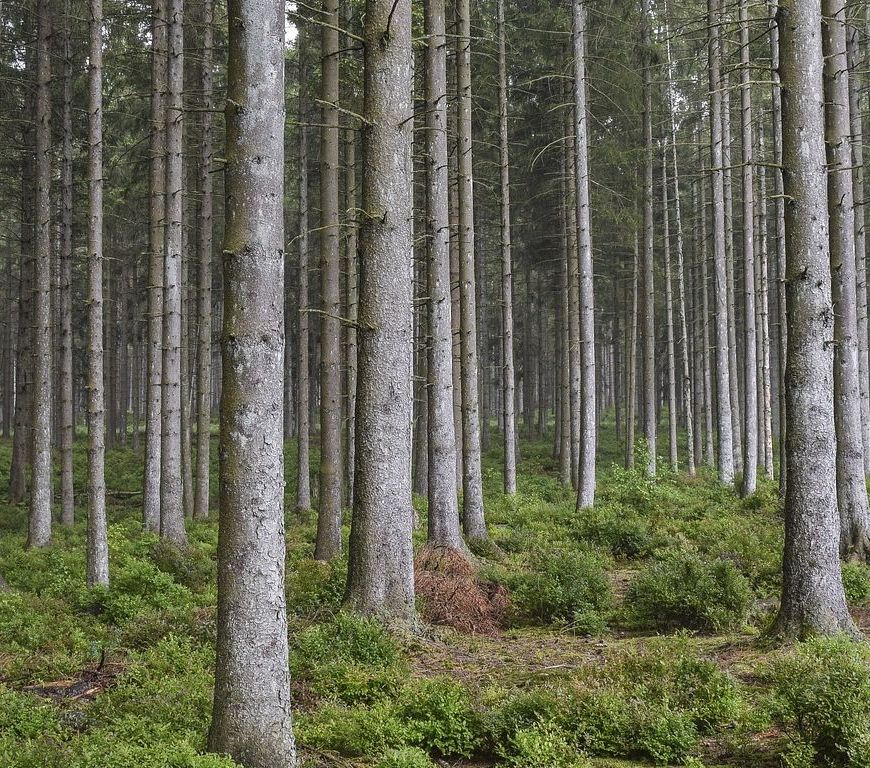
Bark beetles in boreal forests: Calm before the storm?

In this week’s blog post, Jostein Gohli and authors discuss their recent research which explores how climatic and management-related factors influence bark beetle population sizes in boreal forests. The European spruce bark beetle The European spruce bark beetle (Ips typographus) is a notorious tree-killer in spruce-dominated forests. The last 5-10 years it has caused enormous problems in Central Europe, killing hundreds of millions of spruce … Continue reading Bark beetles in boreal forests: Calm before the storm?

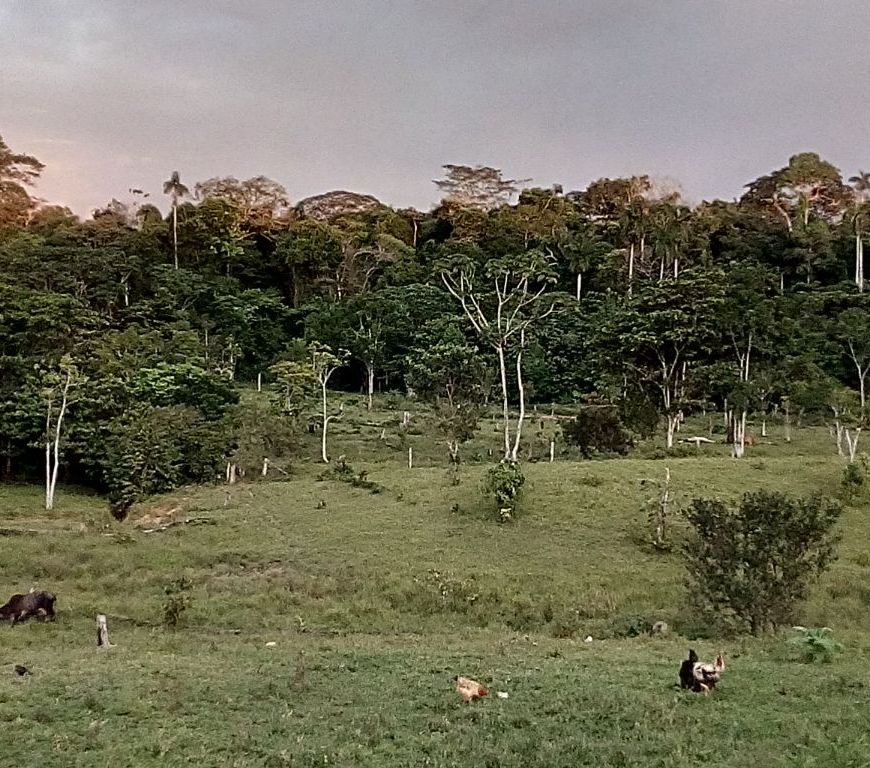
Land sparing outperforms land sharing for Amazonian bird communities regardless of surrounding landscape context

Benjamin Birch discusses the role of wildlife-friendly habitat in the wider surrounding landscape in promoting farmland diversity. Alongside colleagues, Birch modelled strategies of land sparing and land sharing under different levels of production. Background The conversion of natural habitats to agriculture is one of the greatest threats to biodiversity globally. Currently, 40% of the Earth’s land is dedicated to farming, and projections show a further … Continue reading Land sparing outperforms land sharing for Amazonian bird communities regardless of surrounding landscape context

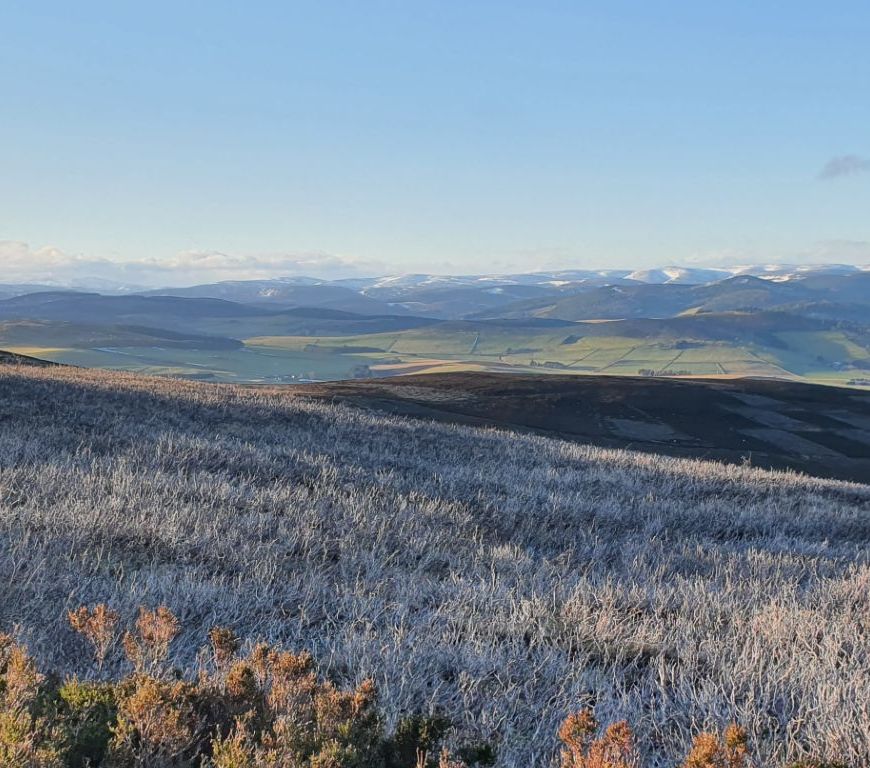
No change in burning of peatland in Eastern Scotland’s moorlands

Author Benedict Spracklen used satellite imagery to better understand the impact of prescribed burning of moorland on ecosystem services. Prescribed burning has long played a role in the management of moorland, both in Scotland and across the UK. In Eastern Scotland, moorland burning (muirburn) is carried out to remove old vegetation and encourage new growth, in the belief this will help red grouse, which are … Continue reading No change in burning of peatland in Eastern Scotland’s moorlands

Georgina Mace Prize 2023: Winner announced for early career researcher award

We’re excited to announce Melanie Dickie as the winner of the 2023 Georgina Mace Prize, celebrating the best article in the journal by an author at the start of their career. Winner: Melanie Dickie Article: Applying remote sensing for large-landscape problems: Inventorying and tracking habitat recovery for a broadly distributed Species At Risk About the research For many species at risk, population declines can be traced … Continue reading Georgina Mace Prize 2023: Winner announced for early career researcher award